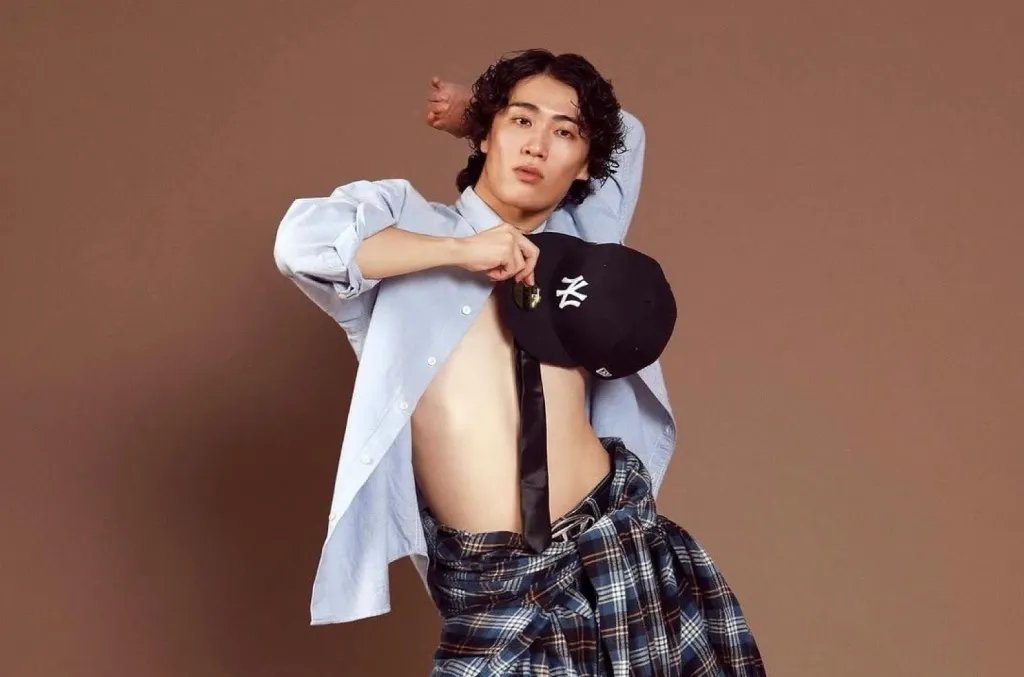
Dancer Ryota Takaji Shares His Journey to the U.S. and Experience in Bad Bunny’s Super Bowl Halftime Show: An Interview with Unbound Japan
Unbound Japan: A New Interview Series
Unbound Japan is an innovative interview series that highlights professionals in the entertainment industry who have made a name for themselves on the global stage. In its premiere episode, Billboard Japan featured Ryota Takaji, a professional dancer now based in Los Angeles. Takaji, who has danced since childhood, recently performed as one of Bad Bunny’s dancers during the Super Bowl halftime show in February. He shared insights about his journey into the U.S. entertainment scene and his motivations as a dancer.
Interview Insights
When and how did you start dancing?
“I don’t remember it clearly because I was so young, but apparently when I was around 5 I used to imitate idol performers I’d see dancing on TV,” Takaji explained. “My mother knew someone whose daughter was taking dance classes, and we were invited to her recital. When we went, I thought, ‘I want to do that too,’ and that’s how I started. Back then, I looked up to popular acts on TV like SMAP and Morning Musume.”
When did your interest start to shift from Japanese artists to dancers overseas?
“There was a teacher I admired in elementary school who was influenced by a dancer she met in the U.S. I attended a workshop this dancer held in Osaka, which was my first encounter with someone from outside Japan. During junior high, I began discovering class footage on YouTube. Watching those videos made me realize how advanced dancers in the U.S. were, fueling my interest further. By high school, I was traveling alone to Tokyo to take classes whenever foreign dancers taught there.”
How did you gather information about international dance?
“Around that time, Japanese dancers began gaining recognition internationally. I admired figures like s**t kingz and Koharu Sugawara. From there, my curiosity about dancers abroad grew, and I was determined to study overseas,” Takaji noted.
When did you decide to travel to the U.S.?
“I always knew I had to visit the U.S. right after high school. My first trip was just two months long, focused on taking classes from my idols. However, it felt insufficient, so I planned for a longer return,” he said. “When I was around twenty, I went back for about two years, attending language school while dancing.”
What challenges did you face in the U.S.?
“While being a student, I couldn’t work, which meant I needed a dance visa. The standard route is to establish a career in Japan first, but that coincided with COVID lockdowns, which limited live performances. During that time, I started reflecting on my future and ultimately decided to return to the U.S. at the end of 2022 with the visa,” he recounted.
How did you manage obstacles in pursuing your goals?
“My support system was invaluable. To be honest, High School Musical was really popular back then, which influenced my perception of American life. But practical challenges arose, from opening bank accounts to navigating daily hurdles. I learned to tackle these problems step by step,” he said.
What artists have you worked with so far?
“I’ve had the privilege to work with Kyary Pamyu Pamyu, Fujii Kaze, and participated in the Paralympic closing ceremony, along with appearing on Amazon Prime’s The Masked Singer as an exclusive dancer. While in Tokyo, most of my work involved music videos and commercials due to the pandemic. In the U.S., I’ve danced for Eric Nam and also engaged in behind-the-scenes work typical in K-pop,” Takaji shared.
Can you tell us about your experience with Bad Bunny at the Super Bowl?
“It’s one of the biggest shows in America and every dancer’s dream. Being part of it left a profound impact on my heart,” he said.
How did you secure your audition?
“It was an audition process, where physical appearance and proportions are crucial. I don’t know the specifics of how selections were made, but I felt it was a matter of timing,” Takaji explained.
As the only Japanese dancer in Bad Bunny’s halftime show, what challenges did you encounter as an Asian dancer in the U.S.?
“It’s very challenging. Male dancers often need to be tall just to be considered for auditions, and I’ve faced difficulties due to my stature. Additionally, the tendency for Japanese individuals to be reserved makes it harder for me to assert myself, and I have sometimes struggled to seize opportunities,” he admitted.
If you could advise young aspiring dancers, what would you suggest?
“Continuously observe yourself and improve little by little. Many people burn out by being too hard on themselves; it’s essential to prioritize self-care while striving for progress. Timing and opportunities differ for everyone, and patience is key. What matters most is the effort you put in every day,” he advised.
Have you faced personal struggles watching others succeed?
“Absolutely. In the age of social media, it can be challenging to see peers shine. However, I’ve learned that everyone has a unique relationship with social media, and what works for one person may not suit another,” he reflected.
What are your aspirations looking ahead?
“I have a passion for creating performances, so I’d like to transition into choreography and direction, particularly in Japan. I hope to use my experiences from the U.S. to make a positive impact in Japanese entertainment,” Takaji concluded.
— This interview first appeared on Billboard Japan