

Behind the Scenes of ‘Ponies’: The Creators Share Insights on the Finale and What’s Next for Emilia Clarke and Haley Lu Richardson’s Spy Series
Peacock’s "Ponies" Blends Cold War History with Comedy
Peacock’s new series, Ponies, features a unique blend of comedy and espionage set against the backdrop of Cold War Moscow. Starring Emilia Clarke from Game of Thrones and Haley Lu Richardson of The White Lotus, the show intertwines real historical figures and events, including George Bush as CIA director and Elton John’s concert in the Soviet Union, while maintaining a fictional narrative.
Created by Susanna Fogel and David Iserson, known for The Spy Who Dumped Me, Ponies debuted on January 15 with all eight episodes available for streaming. The series is primarily set in 1977, beginning on Christmas Day of 1976. It follows secretaries Bea (Clarke) and Twila (Richardson) at the American embassy in Moscow. In a desperate quest for truth after their husbands, posing as CIA operatives, die under suspicious circumstances, the women take up the mantle of CIA agents.
The women receive assignments from their local CIA chief, Dale, and his deputy, Ray. Bea, fluent in Russian, infiltrates the KGB by posing as a schoolteacher, Nadiya, and networks with senior KGB officer Andrei Vasiliev, while also balancing her interactions with local informant Sasha.
In a pivotal plot point, Bea and Twila are instructed to track down a facility where the KGB stores compromising material on foreign nationals. Their investigation leads them to uncover dangerous secrets, complicated by Sasha’s romantic involvement with Bea and the unexpected return of Bea’s grandmother, who assumes a false identity.
As the storyline unfolds, tensions rise when the KGB launches an attack on the U.S. Embassy, revealing a mole within their ranks. The dramatic climax sees both women confronted with life-threatening danger after discovering unsettling truths about their husbands and entanglements with unknown allegiances.
Despite the humor woven into the fabric of Ponies, Fogel and Iserson acknowledge the need for some suspension of disbelief. While Clarke’s portrayal of a Russian may not pass muster for authenticity, Harriet Walter’s accent considerably improves over the course of the series.
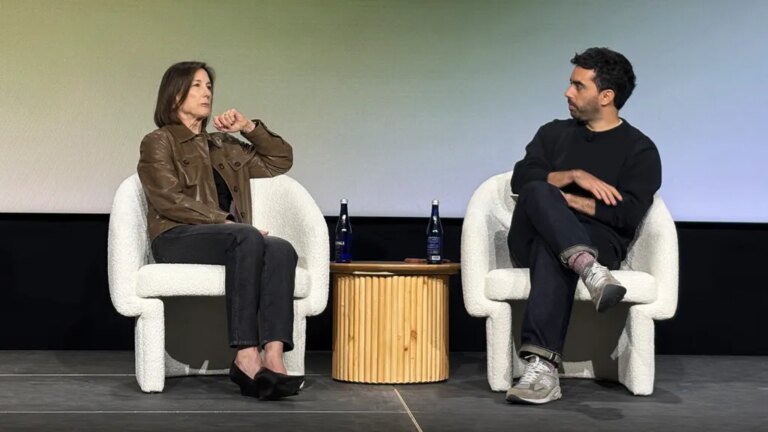
In a recent interview, Fogel and Iserson reflected on their collaboration, noting that their work on The Spy Who Dumped Me inspired them to create a series exploring female friendship amidst Cold War intrigue. They cited influences from classic paranoid thrillers of the 1970s and a desire to depict relatable characters in extraordinary circumstances.
The first season ends with multiple cliffhangers, reinforcing its thrilling narrative style. Fogel and Iserson confirmed that Peacock supported their choice to end on such a dramatic note, emphasizing that each episode was designed with cliffhangers to keep viewers engaged.
As they look ahead, the creators expressed enthusiasm for a potential second season, promising to elevate the stakes as Bea and Twila navigate newfound challenges and their evolving relationship.
Ponies is noted for its meticulous attention to detail, from period-appropriate cars to accurate Russian dialogue. Although a few anachronisms have been pointed out, the creators engaged cultural consultants to enhance authenticity and immerse viewers in the era.
In conclusion, Ponies promises a fresh take on the spy genre, blending humor with historical context, while exploring themes of friendship and resilience. The series has garnered positive reception, and its creators are eager to delve into further narratives in a potential second season.