BAFTA Film Awards: BBC Prepares for Potentially Controversial Speeches Following Glastonbury Incident
EXCLUSIVE: The BBC is set to closely monitor the upcoming BAFTA Film Awards for any politically charged speeches. This proactive stance comes in response to last year’s controversy, when the broadcaster faced backlash for streaming a Glastonbury Festival act that chanted “death to the IDF.”
Unlike the live format of the Glastonbury performances, the BAFTA Film Awards will be edited down from a three-hour ceremony to fit a two-hour broadcast. While some acceptance speeches may be cut, the BBC has committed to preserving the essence of the winners’ messages. Under BAFTA guidelines, recipients are free to express themselves as they see fit.
Insiders from the production team do not anticipate explosive moments at the Royal Festival Hall but acknowledge that the Glastonbury incident lingers in the background. “They can’t have another Glastonbury—that’s the thing they keep talking about,” said a source familiar with the preparations.
The scrutiny of the BBC’s coverage, particularly concerning Gaza, amplifies the potential for politically motivated remarks from attendees sympathetic to the Palestinian cause. Notably, nominees like Emma Stone, who has publicly supported a boycott against Israel, are expected to be present. Following the backlash related to the Bob Vylan performance, the BBC expressed regret over the incident and has vowed to pre-record similar “high-risk” music events in the future.
Bob Vylan performs at Glastonbury Festival in June 2025
Concerns have also been raised regarding potential anti-Donald Trump statements during the awards. While this topic has not been explicitly discussed during planning, insiders report a general “nervousness.” Last year, the BBC edited out a Trump-related joke by host David Tennant, a decision that could attract renewed scrutiny amid ongoing tensions between the broadcaster and the U.S. president.
Attention may also turn to controversies surrounding Jeffrey Epstein and Andrew Mountbatten-Windsor, who was recently arrested on suspicion of misconduct. It remains uncertain whether the Prince and Princess of Wales will attend the ceremony, especially since Prince William serves as BAFTA’s chair.
A representative from BAFTA noted that political messaging is not prohibited but is encouraged to be concise, as speeches are shared via BAFTA’s social media channels. A BBC spokesperson reiterated their commitment to ensuring that the content aligns with BBC editorial guidelines and Ofcom regulations, emphasizing that edits may be necessary due to time constraints.
Despite the potential for controversy, one insider remarked, “We are mindful [of controversy], but this stuff is our bread and butter.”

Timothée Chalamet
While the BAFTAs are traditionally not known for controversy, this year’s award season has seen relatively few inflammatory speeches. At recent events like the Golden Globes, winners tended to focus on their craft rather than political issues. In contrast, the Berlin Film Festival has acted as a more polarizing stage for political discussions, with some participants declining to comment on sensitive topics.
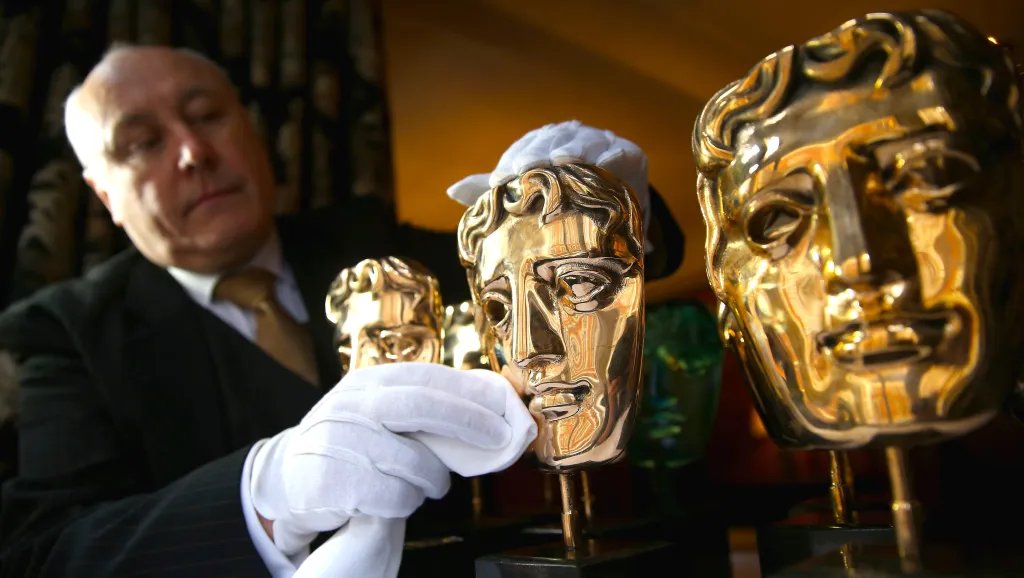
The BAFTA Film Awards are scheduled to start at 5 PM local time on February 22, broadcasting on BBC One at 7 PM in the UK and at 8 PM ET in North America.