Australia’s Homebodies: Blending Family Stories with Supernatural Elements to Explore Transmasculinity
SBS Drama ‘Homebodies’ Explores Transmasculinity Through a Supernatural Lens
The new SBS series Homebodies combines supernatural elements with a poignant mother-son narrative, highlighting the journey of reconnection after a son’s gender reassignment surgery. Despite its high-concept premise, the series has garnered attention for its sensitive portrayal of family dynamics impacted by identity changes. Recently recognized with a Special Mention at the Series Mania festival, Homebodies is generating international interest.
Produced by Mad Ones and available on SBS/SBS On Demand, Homebodies has been described as a significant addition to the portrayal of transgender narratives, specifically focusing on transmasculinity while introducing supernatural themes.
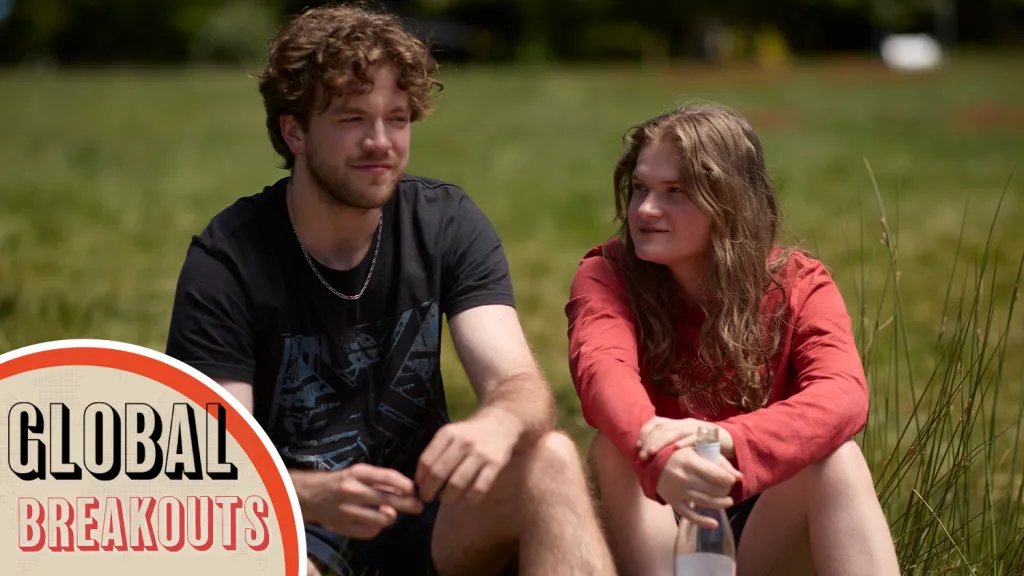
The storyline centers on Darcy (Luke Wiltshire), a young trans man returning home to care for his mother (Claudia Karvan), who is haunted by the ghost of his pre-transition self, Dee (Jazi Hall). Showrunner AP Pobjoy notes that Dee represents the complex emotions of youth, embodying both the questioning and invincibility of adolescence. “Dee… isn’t just a ghost of the past but a vital fragment of who Darcy is,” Pobjoy explains.
This exploration of past and future identities is central to Homebodies. Darcy must confront both his estrangement from his mother and the memories of who he was before transitioning. This haunting serves as a catalyst for reflection and growth.
Homebodies is part of SBS’s Digital Originals initiative, which supports underrepresented voices in media. The series is produced by Mad Ones Films, known for titles like Jimpa and It’s All Going Very Well…, and receives funding from Screen Australia and Screen NSW. Pobjoy and Charlotte Mars co-wrote the episodes.
Having premiered in Australia last month, Homebodies consists of six ten-minute episodes. The series has been well-received since its debut, originally showcasing at Series Mania where it earned accolades within the Students Award category. Although currently without a distributor, the show’s success is likely to attract interest from sales houses.
Director Harry Lloyd appreciates that Homebodies navigates the nuances of gender transition, emphasizing that it “isn’t a before-and-after story.” The character of Dee serves as a complex mirror for Darcy, embodying a past that cannot be ignored. “That tension is what makes the character so dramatically rich,” Lloyd adds.
Reviews of Homebodies have largely praised its storytelling. The Conversation, an Australian academic and journalism platform, commended the series for delving into the complexities of Darcy and his mother’s relationship without compromising Darcy’s self-acceptance.
Lloyd hopes that SBS’s involvement with Homebodies reflects the show’s blend of specific experiences with accessible storytelling. “The supernatural frame gives audiences who might not seek out a trans story, a way in, and then the characters do the rest.”
Pobjoy believes the show aligns perfectly with SBS’s goals, offering a unique perspective rooted in universal themes. Both Lloyd and Pobjoy aim for Homebodies to resonate emotionally with international audiences, hoping it encourages dialogue in various contexts.
On a broader societal level, Pobjoy points out the lack of representation for trans men and transmasculine individuals in media, emphasizing the importance of depicting characters like Darcy as relatable and fully realized. “It was important to center a trans man not just as a lead, but as someone deeply relatable,” they affirm.
Lloyd echoes this sentiment, highlighting that current portrayals of transmasculine individuals often fall into token or traumatic stereotypes. “Darcy gets to be… the complicated son, the person someone falls for. That ordinariness is actually radical right now,” he reflects.
Australia’s film and television history includes significant representations of gender and queer identity, from The Adventures of Priscilla, Queen of the Desert to more contemporary series. However, narratives focused on transgender experiences remain rare. Homebodies stands out as a crucial contribution to this evolving landscape.
Cyna Strachan, producer and co-founder of Mad Ones, noted the challenges of producing content like Homebodies in Australia. “Getting a series like Homebodies made is incredibly difficult… [but] the SBS and Screen Australia Digital Originals initiative has become an indispensable pathway for emerging writers, directors, and producers.”
Reflecting on the impact of the initiative, Strachan added, “It has been a game-changer locally and continues to have a wide-reaching impact, allowing us to channel our learnings into bringing Homebodies to the screen.”