

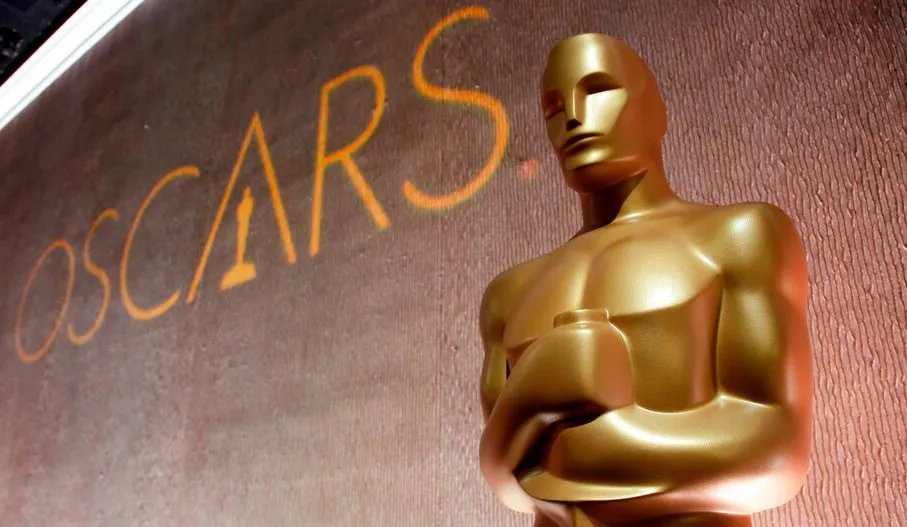
Academy Updates Oscar Rules for Acting and International Film Categories and Shares Its Position on AI
The Academy of Motion Picture Arts and Sciences has announced significant changes to the eligibility rules for Oscar nominations in the acting and International Film categories, marking a watershed moment in its nearly century-long history.
Under the new rules, actors in both lead and supporting categories can now be nominated for multiple performances in the same category, provided those performances rank among the top five votes. This change opens the door for actors like Leonardo DiCaprio, who may have two standout lead performances in a year, allowing for nominations in both categories.
In previous years, only the performance receiving the highest vote count was eligible for nomination if multiple roles ranked among the top five. This change aligns the Academy’s practices with other categories. For instance, in 2000, Steven Soderbergh was nominated for directing both Erin Brockovich and Traffic, winning for the latter. The new rules could potentially lead to one actor dominating nominations in a single ceremony.
Another major update affects the International Film category (formerly Foreign Language Film), introducing two methods for film submission. Prior to this change, films needed to be the official selection from their country or region. Now, winning a qualifying award at specific international film festivals also permits submission. Eligible festivals for this year include Berlin (Golden Bear), Busan (Best Film Award), Cannes (Palme d’Or), Sundance (World Cinema Grand Jury Prize), Toronto (Platform Award), and Venice (Golden Lion). Notably, France’s Anatomy of a Fall, which won at Cannes but was not submitted for Oscars by France, is now eligible.
In a further shift, the International Feature Film category will now recognize nominees by the film title, rather than by country or region as has traditionally been the case. While the director will still accept the award on behalf of the creative team, their name will now be included on the statuette plaque.
The Academy has also joined the conversation surrounding artificial intelligence, formally stating that only performances “demonstrably performed by humans” and human-authored screenplays will qualify in their respective categories.
These updates, including additional changes to campaign rules, point to a transformative period for the Academy in preparation for the 99th Annual Academy Awards, scheduled for March 14.
Here are the notable substantive awards rule changes:
- In the Acting categories, actors may be nominated for multiple performances in the same category if those performances place in the top five votes.
- Only roles credited in the film’s legal billing and demonstrably performed by humans with their consent will be eligible in the Acting categories.
- In the Casting category, the number of statuettes awarded will increase from a maximum of two to three.
- The Cinematography category’s preliminary voting round will yield a shortlist of 20 films instead of 10-20.
- The International Feature Film category now accommodates submissions from films that win qualifying awards at major international film festivals, alongside official country selections.
- In the International Feature Film category, films will be credited as nominees rather than their country or region, with the director’s name included on the statuette plaque.
- In the Makeup and Hairstyling category, members must attend at least one of the final branch meetings to vote.
- Rules regarding the Original Song category clarify eligibility based on placement in end credits.
- All Academy members must view three-minute Before and After reels to vote in the Visual Effects category.
- In the Writing categories, only human-authored screenplays are eligible.
- A minimum of three disciplines must be represented among Governors Awards recipients in a given awards year.
- The Academy reserves the right to inquire about the use and human authorship of content related to Generative Artificial Intelligence under Eligibility (Rule Two).
Upcoming submission deadlines are as follows:
Thursday, August 13
First submission deadline for Animated Short Film, Documentary Feature Film, Documentary Short Film, and Live Action Short Film categories.
Thursday, September 17
First submission deadline for General Entry categories, Animated Feature Film, Best Picture, and Representation and Inclusion Standards Entry (RAISE) form.
Wednesday, September 30
Submission deadline for International Feature Film.
Thursday, October 8
Final submission deadline for Animated Short Film, Documentary Short Film, and Live Action Short Film categories.
Wednesday, October 14
Submission deadline for Music (Original Song).
Thursday, October 15
Final submission deadline for Documentary Feature Film.
Wednesday, November
Submission deadline for Music (Original Score).
Thursday, November 12
Final submission deadline for General Entry categories, Animated Feature Film, Best Picture, and Representation and Inclusion Standards Entry (RAISE) form.
January 8-10
Casting, Makeup and Hairstyling, Sound, and Visual Effects voting events (bake-offs).
The Academy has also revised its campaign promotional regulations for the 99th Oscars, outlining how individuals and motion picture companies may promote their films. Important changes include:
- Screenings with Q&A sessions can now have up to two moderators instead of just one.
- All email blasts and FYC calendar entries sent to Academy members must include contact information for inquiries regarding accessibility and accommodations.
The awards rules are crafted by the Awards Committee based on recommendations from various executive committees and are subject to approval by the Board of Governors. All rules, regulations, and dates for the upcoming Academy Awards may change.