
A Thoughtful Look at Paweł Pawlikowski’s ‘Fatherland’: Reflections on Postwar Germany from the Cannes Film Festival
In a cinematic landscape often defined by sprawling narratives, Paweł Pawlikowski stands out as a master of succinct filmmaking. His latest project, Fatherland, premiered in competition at the Cannes Film Festival, encapsulating his signature style. In just 82 meticulously crafted minutes, the film follows Nobel Prize-winning writer Thomas Mann on a poignant journey through postwar Germany, offering a profound exploration of historical themes and human experience.
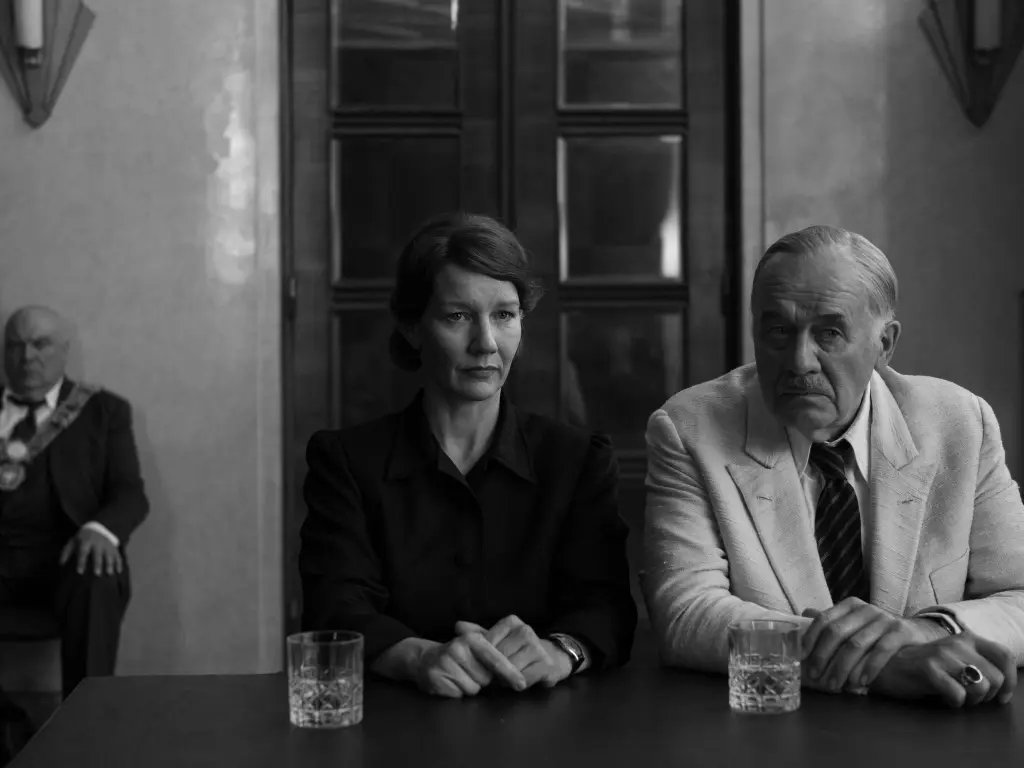
Set in 1949, the film features Mann, portrayed by Hanns Zischler, who navigates the complexities of a divided nation alongside his devoted daughter Erika, played by Sandra Hüller. Erika serves as his companion, assistant, and translator during a journey to mark the 200th anniversary of Goethe, Germany’s most celebrated writer. With the new border looming, both East and West Germany lay claim to Mann and Goethe, underscoring unresolved national tensions.
However, Mann’s relationship with Germany is fraught. He left for America in 1933, taking his wife and children amidst the rise of Nazism. Now, as he speaks to audiences, he encounters a mix of admiration and hostility. When criticized by a journalist for abandoning his homeland, he retorts, “If I’d stayed, I wouldn’t be talking to you now,” highlighting the intertwined themes of exile and responsibility.
Watch on Deadline
A striking opening scene in a French hotel room sets the tone for the film. Erika’s brother, Klaus, played by August Diehl, is seen in a disheveled state, on the phone with Erika while reflecting on a past night. The scene is characterized by Pawlikowski’s precise artistic vision—black and white film stock, a fixed camera, and a distinct two-star hotel ambiance, with stormy palm trees providing a backdrop that complements the intimate yet tension-filled narrative.
Much of Fatherland unfolds in transient spaces—hotel rooms and bombed-out ruins—symbolizing the fleeting nature of human connection amidst broader historical upheavals. Pawlikowski crafts an intimate portrayal of the Mann family, using a carefully framed aesthetic that underscores themes of war, exile, and the burdens of public life. The film’s title, marked by its abrupt syllables, resonates with the weight of history.
The film’s ambitious narrative feels well-matched with Hüller’s dynamic performance. She deftly navigates her father’s world, seamlessly managing his affairs and shielding him from the repercussions of fame. The scene where she strikes a man at a bar encapsulates the layered emotions surrounding her character’s complex relationship with their tumultuous past.
Amidst these intimate moments, broader sociopolitical themes emerge. Mann’s reflections on society, such as his assertion that a good society should be arranged for men and not the other way around, resonate with contemporary issues. His declaration to a journalist reinforces the film’s exploration of literature as a universal force, unaffected by geopolitical divisions. Although the story is self-contained, present-day parallels enhance its relevance, raising expectations as Fatherland vies for the Palme d’Or at Cannes.
Title: Fatherland
Festival: Cannes (Competition)
Distributor: Mubi
Director-screenwriter: Paweł Pawlikowski
Cast: Sandra Hüller, Hanns Zischler, August Diehl, Anna Madeley
Running time: 1 hr 22 mins