
A Closer Look at ’28 Years Later: The Bone Temple’ – Nia DaCosta’s Fresh Take on Danny Boyle’s Zombie Classic
The dilapidated water park, marked by the ominous sign “No Children Beyond This Point,” serves as the unsettling backdrop for the fourth installment of the 28 Days franchise. Directed by Nia DaCosta, known for her acclaimed work on the 2021 remake of Candyman, 28 Days Later: The Bone Temple emerges as both a grittier and potentially the best entry in the series, revisiting the roots of the franchise with a twist reminiscent of 28 Years Later.
Shot back-to-back with its predecessor, the film features familiar sets and a few returning actors. However, this sense of familiarity is deceptive; survival becomes a brutal theme, and DaCosta ensures that characters meet their fates in the most gruesome ways possible.
The film opens with a strikingly low-fi but disturbing scene. Spike, portrayed by Alfie Williams, is taken in by the Jimmys, a street gang led by the dangerously charismatic Jimmy Crystal, played by Jack O’Connell. The Jimmys made a late but memorable appearance in the previous film, where their jarring attire—blond wigs, tracksuits, and inappropriate jewelry—offered a surreal twist. In this installment, they take center stage, and DaCosta notably steers clear of turning their violent antics into dark humor.
The story begins with Spike, armed with a knife, forced to engage in a deadly fight with one of Crystal’s gang members. In a desperate moment, Spike inadvertently stabs his opponent in the thigh, striking a fatal blow. The brutal reality of his situation contrasts sharply with the gruesome world around him, and Spike is soon coerced into joining Crystal’s gang, adopting the name Jimmy and embracing a nihilistic culture reminiscent of a death cult.
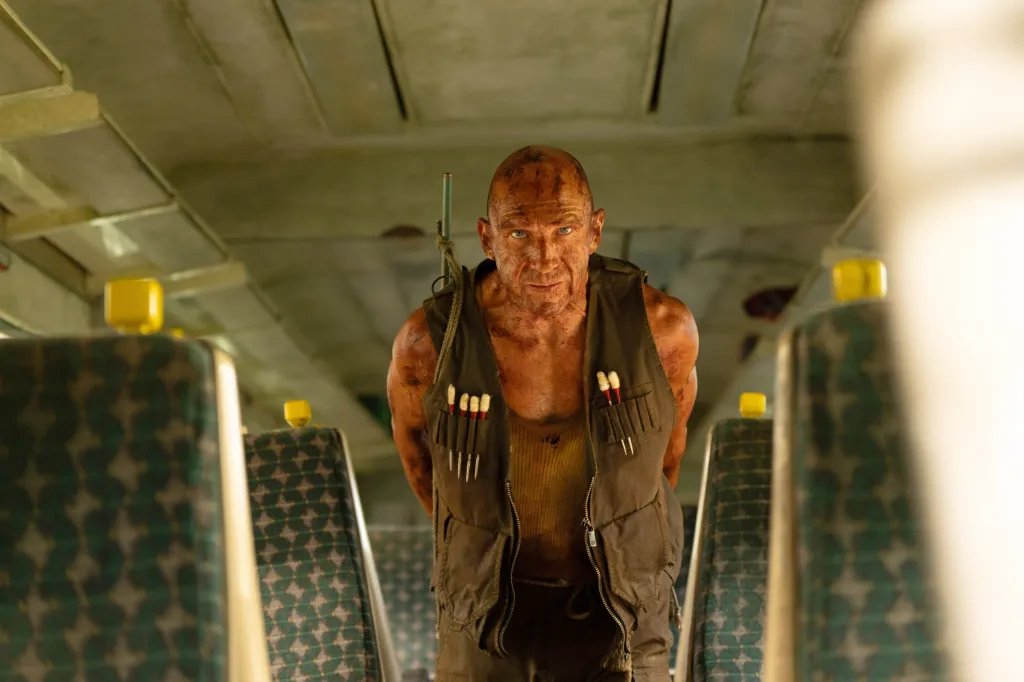
Meanwhile, Dr. Ian Kelson, played by Ralph Fiennes, is tucked away in his underground hideout, where he continues to research a new, aggressive strain of mutants. As he tracks a particularly dangerous male mutant named Samson, a dance unfolds between them, showcasing a dynamic that shifts beyond mere experimentation. Kelson’s personal stash of morphine complicates their relationship, creating a complex bond amid chaos.
As the lives of Crystal and Kelson draw closer together, screenwriter Alex Garland takes his time developing the intersecting plotlines. DaCosta’s non-Brit perspective allows her to avoid clichés; the Jimmys, with their unsettlingly childlike obsession with the Teletubbies, evoke a chilling atmosphere, particularly during a suspenseful farmhouse siege. Crystal’s distorted version of “charity” echoes the real-life misdeeds of a notorious figure, amplifying the dark undertones of the narrative.
Viewers expecting a straightforward continuation may be surprised by the film’s structure, ending with a hint of a future installment. Spike’s fate becomes secondary to Dr. Kelson’s commanding presence—a performance that may propel Fiennes back into the awards conversation. O’Connell’s nuanced portrayal as Crystal adds complexity to a character that blends charisma and delusion.
DaCosta’s understanding of the horror genre shines through as she subtly weaves in political commentary without overwhelming the story. Through Dr. Kelson, she evokes feelings of loss and nostalgia for a civilization that once seemed stable. With startlingly visceral depictions of chaos and conflict, The Bone Temple firmly establishes itself as a pillar of the series, leaving audiences eagerly anticipating a third installment.
Title: 28 Years Later: The Bone Temple
Release date: January 16, 2026 (US)
Distributor: Sony Pictures
Director: Nia DaCosta
Screenwriter: Alex Garland
Cast: Ralph Fiennes, Jack O’Connell, Alfie Williams, Erin Kellyman, Chi Lewis-Parr
Running time: 1 hr 49 mins