
Netflix’s Split Seasons: Are Long Gaps Between Releases Here to Stay?
Netflix has transformed television viewing by introducing the binge-drop model, allowing users to access an entire season of its original series simultaneously, a significant departure from the traditional weekly release schedule.
While some critics argued that weekly episodes keep shows in the public consciousness for longer, Netflix remained steadfast in its approach until it adapted its strategy for Season 4 of Stranger Things, which was rolled out in two parts over a month in 2022.
This shift marked the beginning of a new trend for Netflix, splitting seasons of several major series. This adjustment was partly a response to production delays stemming from the pandemic and Hollywood strikes. The trend reached its peak in 2023 and 2024.
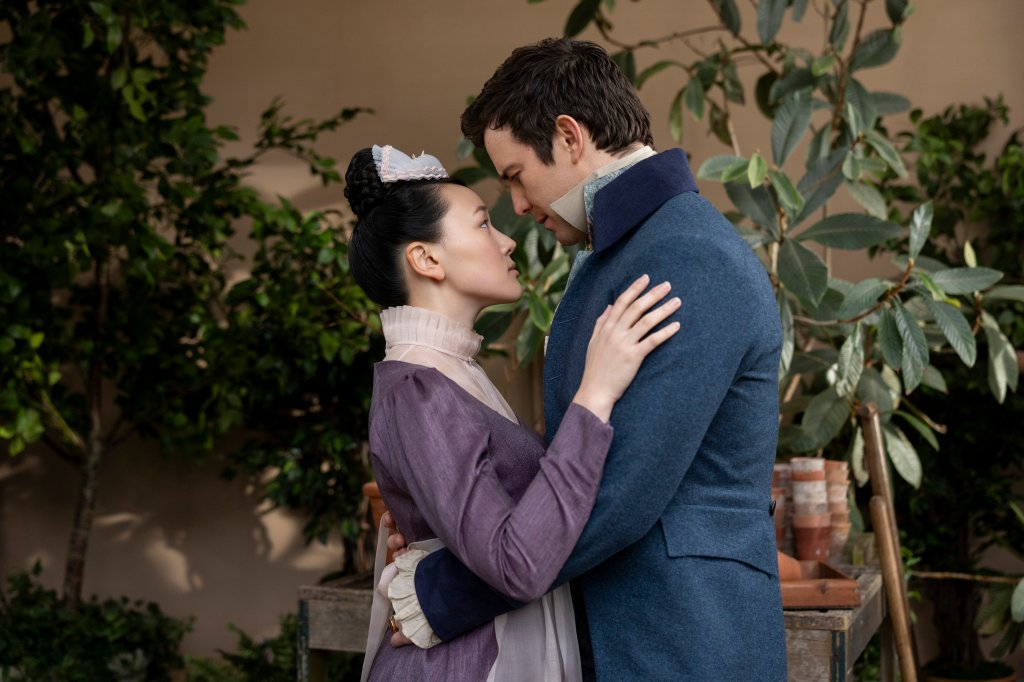
In 2023, new seasons of The Witcher, The Crown, and a larger installment of Virgin River were all released in two parts. The following year, the platform continued this approach with Bridgerton, Emily in Paris, and Outer Banks.
Watch on Deadline
By 2025, only high-profile series like Wednesday and Stranger Things continued the trend of split seasons, with Wednesday releasing two parts and Stranger Things splitting its final season into three sections.
In 2026, only Bridgerton Season 4 is planned for a batch release, having already debuted in two parts. Subsequent seasons of The Witcher and Emily in Paris will revert to the binge-drop format, with the final season of Outer Banks also expected to be released all at once.
Jinny Howe at Next On Netflix
Gaps Between Seasons
To minimize the time between seasons, Netflix has increased early renewals for shows like Virgin River and The Night Agent, along with nearly all comedies, which are now delivered on an annual basis.
“Some audiences really love that yearly cadence and expect it, so we’re really trying to honor that and bet forward on the shows that feel like we’re investing in for many, many seasons; they’re designed that way,” said Jinny Howe, Head of UCAN (U.S.-Canada) Scripted Series, during the Next On Netflix presentation.
Despite these early renewals, some series including Bridgerton, Wednesday, and Ginny & Georgia, have still been releasing new seasons every two years. The time between seasons of Stranger Things extended to three years.
Executives at Netflix do not anticipate this pattern changing anytime soon and see potential benefits.
“There is also something in terms of strategically and just intentionally thinking about some people who don’t want that yearly cadence; like absence makes the heart grow fonder in terms of some of our event series,” Howe explained. “It has to really spring from that well of vision and creativity from the creator.”
Netflix’s Chief Creative Officer Bela Bajaria added, “Coming back faster is not really our decision. We would love things to come back faster for the audience, but it also depends on the creator writing and getting it all up and running.”

Bela Bajaria at Next On Netflix
Adopting ‘The Pitt’ Model
Streaming services have increasingly adopted shorter seasons, with eight episodes now considered standard for many dramas.
HBO Max is challenging this convention by introducing productions like The Pitt, which offer 15 episodes per season with annual returns. This raises the question of whether Netflix would follow suit with longer seasons.
“We are always open to more episodes or fewer episodes; we really let the creative dictate,” said Howe. “It is a conversation with the creator, a very intimate one, driven by their vision and what makes the most sense for the show. We have shows that are 10 episodes, we have shows that are four. If a show presents itself and it says it needs to be more than that, we’re definitely open.”