
Qumra Meeting Goes Virtual Due to Ongoing Conflict in Iran
Doha Film Institute Moves Qumra Online Amid Regional Conflict
The Doha Film Institute (DFI) has announced that its annual project and talent incubator, Qumra, will be hosted online due to the escalating U.S.-Israel-Iran conflict, which has repercussions throughout the Gulf region.
In a statement released on Tuesday, the DFI explained, “In light of the recent developments in the region, we have made the difficult decision to hold this upcoming edition of Qumra online to ensure the safety and well-being of our guests, projects, and team.” The online event will occur from March 27 to April 1, 2026, focusing on private one-on-one mentorship sessions for the selected projects. The DFI expressed its commitment to facilitating meaningful exchange and mentorship despite the circumstances.
Originally planned to take place in Doha, this year’s Qumra was expected to feature prominent figures such as Diego Luna, Gael García Bernal, Alice Diop, Faouzi Bensaïdi, and Gustavo Santaolalla as Qumra Masters—mentors who would host masterclasses for emerging filmmakers. The event typically gathers around 50 DFI-supported film and TV projects and hundreds of professionals from the industry, all of which will now transition to a virtual format.
Qumra has established itself as a vital meeting ground for directors and producers from the Middle East and North Africa, inviting additional participants from outside the region. Notable entrants in previous editions included Hasan Hadi’s The President’s Cake, which received accolades at Cannes, and Erige Sehiri’s Promised Sky, which also garnered recognition.
This marks the second time Qumra has faced disruption from external events. Following its successful launch in 2015, the event was canceled in 2020 due to the Covid-19 pandemic. It subsequently shifted to virtual formats for 2021 and 2022 before resuming as an in-person gathering in 2023.
The DFI’s decision comes on the heels of military actions initiated by the U.S. and Israel against Iran on February 28, which have drawn international attention and concern. President Donald Trump addressed the nation, outlining the campaign’s goals of dismantling Iran’s military capability and nuclear program.
Recent statements from Trump suggested a swift conclusion to the war, although he acknowledged that the situation remains contentious, with rising international criticism regarding the military operations that threaten to escalate tensions in the Middle East.
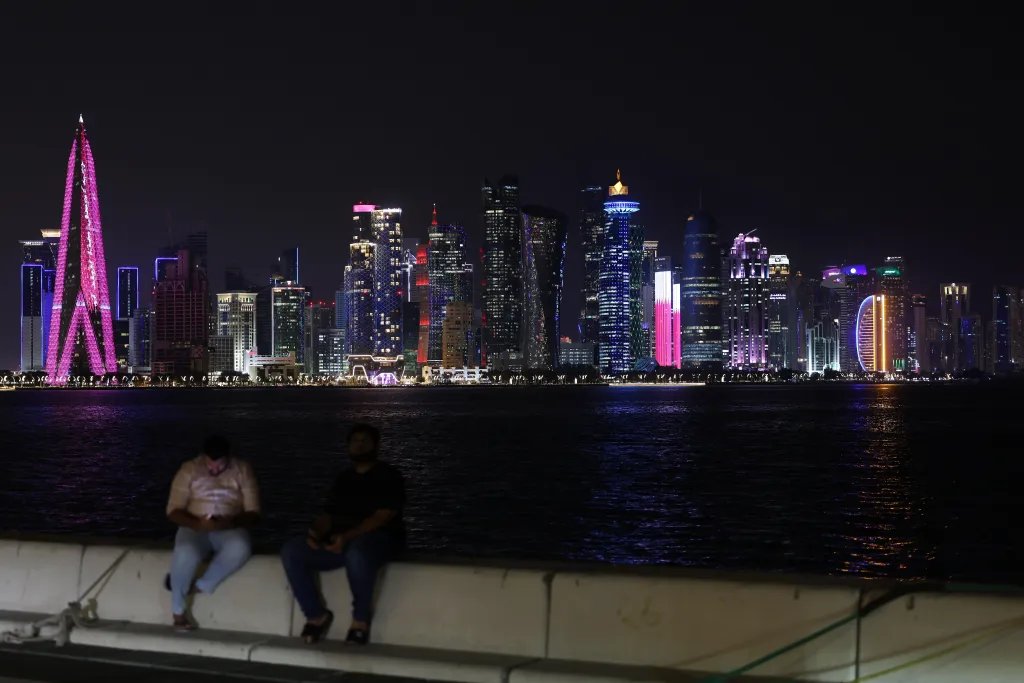
In the wake of these developments, Qatar, along with neighboring Gulf nations, has faced retaliatory actions from Iran, which have included missile strikes directed at U.S. bases and local infrastructure. Qatar’s Ministry of Defense reported over three cruise missiles, 120 ballistic missiles, and 45 suicide drones directed at its airspace since the conflict’s escalation, most of which were successfully intercepted.
Qatari Prime Minister Sheikh Mohammed bin Abdulrahman al Thani called Iran’s strikes "a dangerous miscalculation" and emphasized the need for de-escalation. Qatar has positioned itself as a mediator in regional conflicts in recent years, a role that may be challenged amid ongoing hostilities.
The unfolding situation has significant implications for the region’s film and TV industries, which have been expanding in scale and ambition. While production continues in Saudi Arabia, questions remain about how the conflict may affect the Gulf’s international production goals and the upcoming Eid Al Fitr box office season.