
How a Director Behind Iconic Films Created Bruce Springsteen’s Beloved ‘Dancing in the Dark’ Video
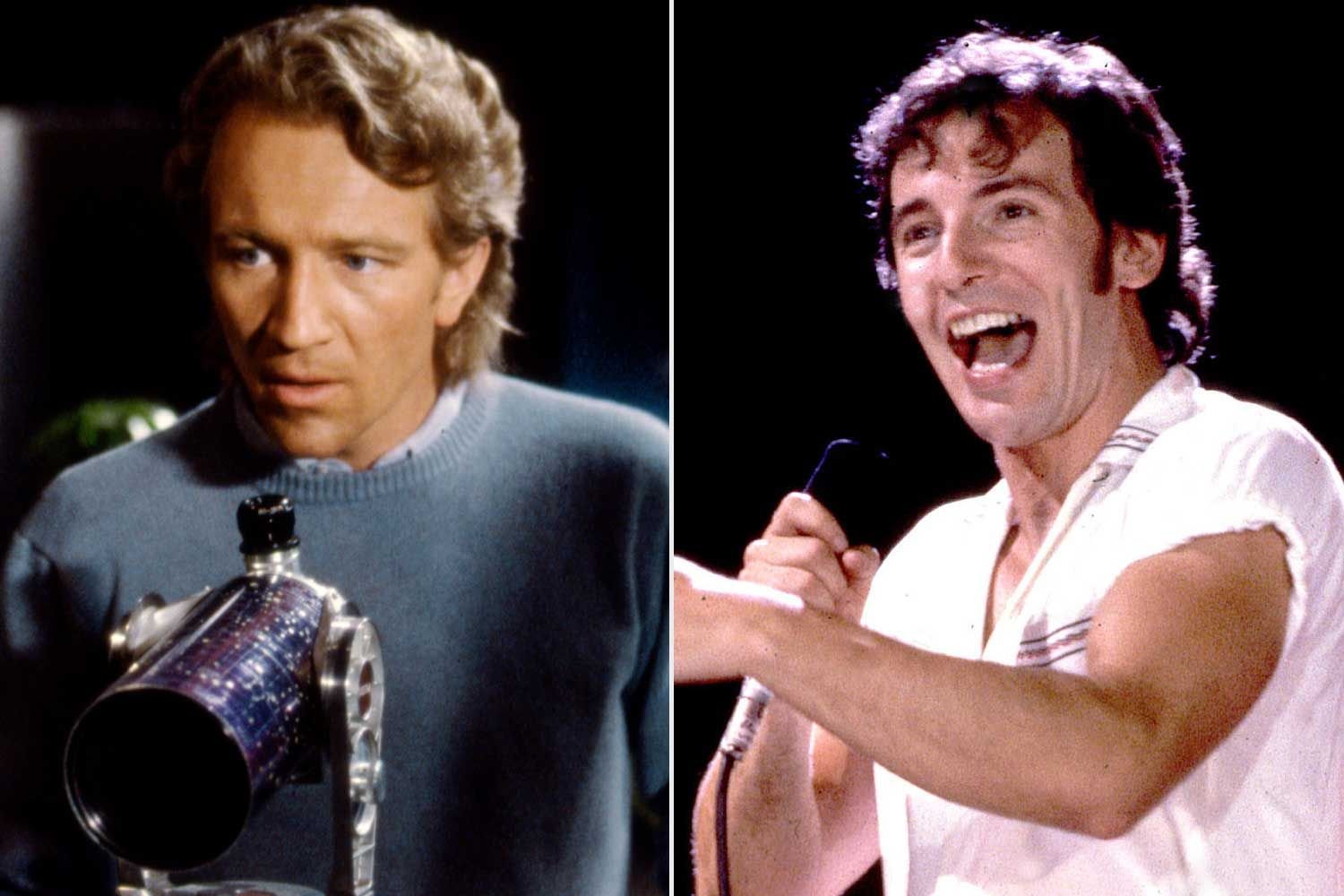
Craig Wasson in "Body Double" (left), Bruce Springsteen.
Credit :
Columbia Pictures/Sunset Boulevard/Corbis via Getty; Paul Natkin/WireImage
Director Brian De Palma Juggles Dual Projects in 1983
In 1983, acclaimed director Brian De Palma navigated a busy schedule, balancing his work on the thriller Body Double with a foray into music video production for Bruce Springsteen’s iconic "Dancing in the Dark."
Following his successes with Carrie and Scarface, De Palma spent the bulk of the first half of 1983 directing Body Double. Starring Craig Wasson and Melanie Griffith, the film was shot in Los Angeles and faced the risk of an X rating before administrative edits brought it down to an R rating.
Weeks later, De Palma traveled to Saint Paul, Minnesota, where he seized the opportunity to work on Springsteen’s music video. A self-proclaimed fan of the artist, he welcomed the shift from the intense world of filmmaking to the lighter atmosphere of music video production.
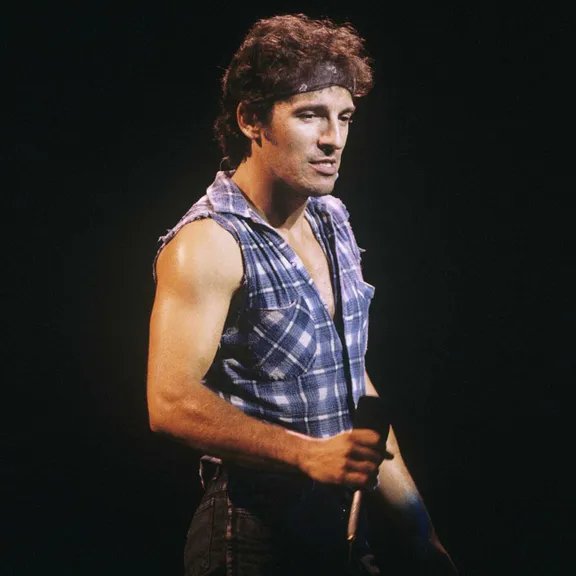
Bruce Springsteen on stage in July 1984.
The filming took place at the Saint Paul Civic Center on June 28 and 29, 1984. The first night focused solely on video content, while the second evening coincided with the launch of Springsteen’s "Born in the U.S.A." tour. To capture adequate footage, Springsteen performed "Dancing in the Dark" twice, engaging the audience in an unforgettable moment when he selected actress Courteney Cox from the crowd. Unbeknownst to him, she was actually part of a set of actresses brought in from New York, having previously filmed content featuring a group of friends enjoying the concert.
Cox later recounted her surprising experience during a 2017 interview, noting her initial disbelief at being in a casting environment filled with dancers. “I walked into this big casting room, and all these dancers were there,” she shared. “I was like, ‘I don’t think I’m in the right place because I can barely touch my toes.’"
Despite her reservations about performing in front of a large audience, Cox highlighted the surreal nature of the event. “Someone said, ‘Okay, so Bruce is going to pick one of you out of the audience,’ and I was like, no. I did not want to be the one to go. I don’t want to dance for 30,000 people!"
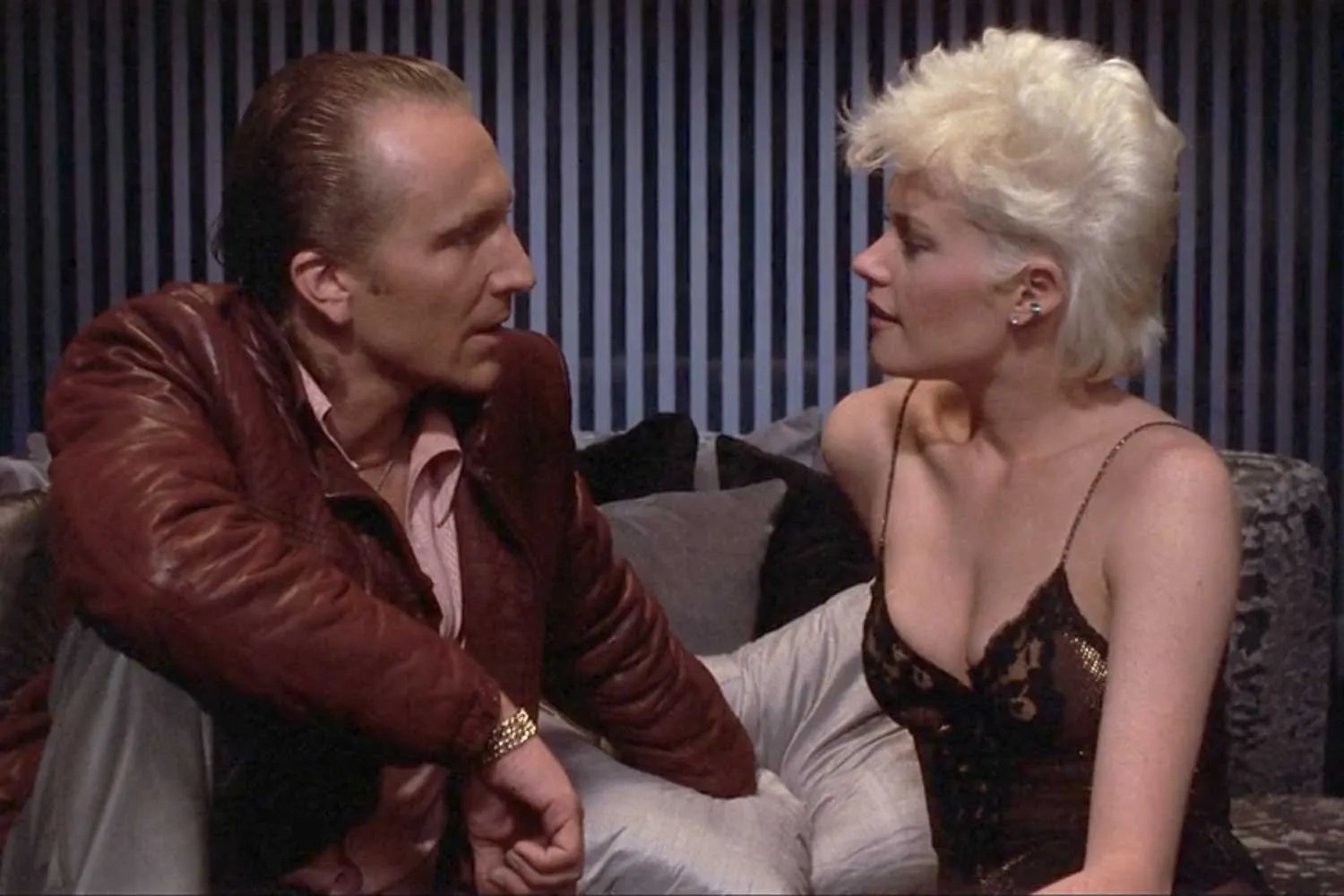
"Body Double".
Tubi
After completing the music video, which premiered shortly thereafter, De Palma returned to the editing room for Body Double. The film elicited a polarized response upon its release, prompting De Palma to reflect on its reception. He expressed a belief in the power of cinema to evoke emotions, explaining, “I subscribe to the Aristotelian theory. I believe that movies purge you of these emotions."
"I’m interested in shaking up the audience’s sense of reality, jolting it out of conventional ways of perceiving things. That’s what excites me," he remarked, emphasizing his commitment to pushing creative boundaries in both his film and music video work.