

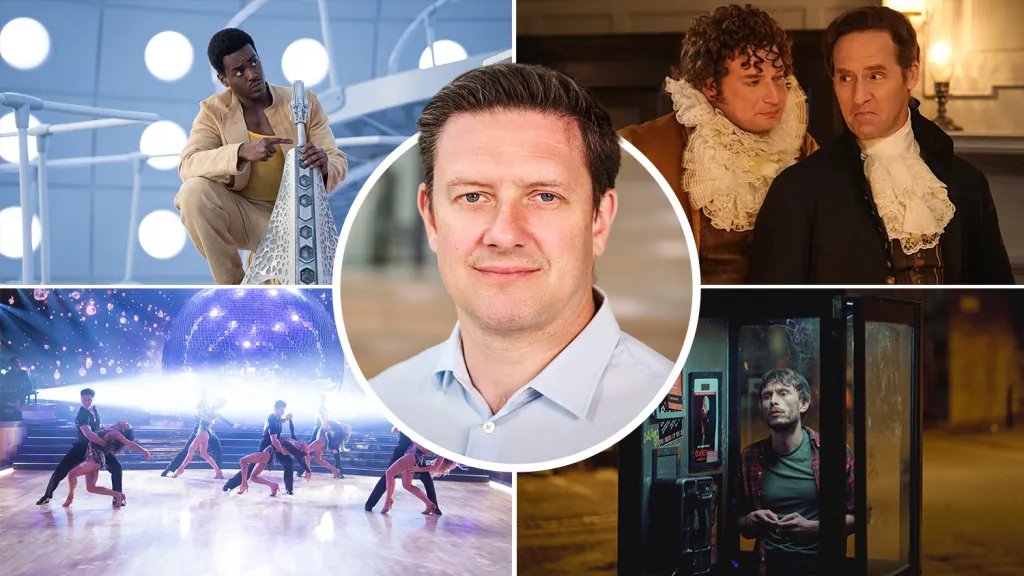
Zai Bennett’s Vision for BBC Studios: Building a Global Content Team and Exciting Plans for ‘Doctor Who,’ ‘Strictly Come Dancing,’ and 2026
EXCLUSIVE: Zai Bennett Declares 2026 “The Year of Delivery” for BBC Studios
Zai Bennett, the recently appointed chief of BBC Studios, is setting ambitious goals for the upcoming year. With more than a year in his current role, Bennett is gearing up to enhance the studio’s output, aiming to develop new hits, support ongoing successes, and invest in emerging talent as he finalizes his strategic vision.
Founded as the commercial arm of the BBC, BBC Studios plays a pivotal role in the global media landscape, producing and distributing beloved programs such as Strictly Come Dancing and Doctor Who. "We think with a ‘ruthlessly commercial’ hat on, but we also reinvest funds back into the BBC, our only shareholder," Bennett noted, acknowledging the financial challenges the organization has faced recently.
Upon assuming leadership from Ralph Lee, Bennett identified an important aspect of the studio’s narrative that needed emphasis. "We weren’t vocal and proud about the breadth of what we do," he stated. "We are a major distributor and the most awarded producer in the UK, but we often don’t get the recognition we deserve."
Bennett’s vision focused on unifying the studio’s diverse operations. After an initial six months of assessing the landscape, he initiated a reorganization in early 2025, merging factual and entertainment productions under Kate Ward and bringing in key talents like Karl Warner to enhance format development. He also revamped scripted divisions by hiring Jamie Hall from Gangs of London and reassigned veteran executive Mark Linsey to foster international projects.
Bennett emphasized the importance of a cohesive approach that combines creativity with commercial success. "This restructuring gives us insights into the complete monetization of our business," he said, expressing a desire to ensure that the studio maintains the same vigor in its commercial pursuits as it does in its creative outputs.
In a strategic move, Bennett has redesigned branding for various labels within BBC Studios, ensuring they convey their connection to the broader organization. For instance, notable productions such as Baby Reindeer by Clerkenwell Films have begun to include “part of BBC Studios” in their marketing materials.
Bennett is also eager to showcase the achievements of smaller labels like Clerkenwell, which is branching into mainstream projects such as Breakers and Deadpoint. "When Clerkenwell won Emmys for Baby Reindeer, it showcased our potential, and we need to capitalize on that momentum," he explained.
However, challenges remain. Half Man, a highly-anticipated project from Richard Gadd, will not be under the BBC umbrella, as it stems from Banijay’s Mam Tor label. Bennett acknowledged the dynamic nature of talent relationships in the industry, stating, "Creative movements among companies are normal."
Looking ahead, Bennett aims to be aggressive in securing talent deals, planning to invest in three to four emerging independent projects each year in both the UK and the US. "This isn’t a one-off initiative; it’s a consistent strategy," he added, highlighting recent partnerships with prominent creatives.
Bennett is confident that BBC Studios can navigate the complexities of production funding in today’s market. "We can embrace economic risks when funding productions for the BBC," he said, explaining the potential rewards of investing in high-risk shows. "The projects that take risks often see the greatest returns."
Upcoming collaborations include Netflix’s adaptations of Pride and Prejudice and How to Kill Your Family, as well as an Agatha Christie series on BritBox.
With regards to Doctor Who, Bennett noted significant changes following Disney’s withdrawal from co-producing the series. He did not confirm if BBC Studios would supplement the budget to ensure the show’s continuation beyond its upcoming Christmas special written by showrunner Russell T. Davies. "We’re all committed to maintaining Doctor Who’s legacy," he stated.
Bennett expressed pride in BBC Studios’ standing in the US market, celebrating successes like the CBS adaptation of Ghosts. The studio is currently pursuing five paid projects with American networks, including adaptations of Here We Go and Mammoth.
While he remains focused on maintaining control over American projects, Bennett sees great potential for growth. This is evident in unscripted formats, such as Strictly Come Dancing. "Our U.S. team has developed effective social media strategies that produced remarkable outcomes," he remarked.
As the beloved format enters a new chapter, BBC is on the lookout for two new hosts after the unexpected departures of Claudia Winkleman and Tess Daly. Bennett deferred speculation about potential candidates, emphasizing the decisions lie with BBC management.
With successful formats like Ladies of London and Prime Video’s 1% Club making waves in the U.S., Bennett expressed satisfaction with his team’s performance. Their latest unscripted project, Secret Genius, launched to over a million viewers on Channel 4—an impressive feat he plans to highlight at the upcoming BBC Studios Showcase.
Amid industry discussions around consolidation, particularly with companies like Banijay and All3Media, Bennett dismissed the likelihood of BBC Studios joining the trend. "We want to maintain our unique position—not become just another entity in the industry mix," he said, emphasizing the importance of cultivating British storytelling on a global scale.
Bennett affirmed that BBC Studios delivered robust financial returns to the public BBC last year. He remains focused on ensuring that success is sustainable. "While we seek commercial returns, we must also adopt a long-term perspective,” he concluded. "This approach is essential in today’s market."


