

Why Former TCU Coach Gary Patterson Could Be a Great Choice for USC’s Defensive Coordinator
USC’s Search for a Defensive Coordinator Intensifies
As USC continues its search for a new defensive coordinator, speculation is mounting. Nearly three weeks have passed since D’Anton Lynn left the Trojans to join Penn State, and sources indicate the process is reaching a pivotal moment.
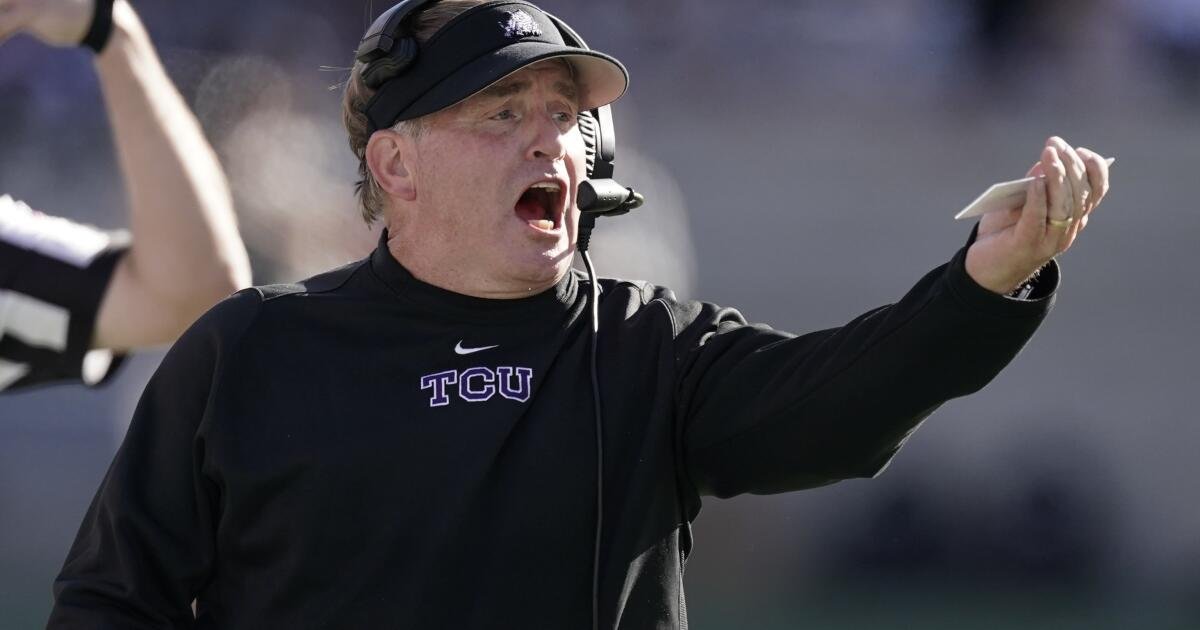
Among the frontrunners is Gary Patterson, the former head coach at Texas Christian University (TCU). Those familiar with the ongoing discussions suggest that Patterson’s extensive experience and successful track record make him a prime candidate to lead USC’s defense.
Patterson boasts an impressive history, highlighted by his induction into the College Football Hall of Fame. His 21 seasons at TCU were marked by his reputation as one of college football’s top defensive strategists, with five of his defenses finishing the season ranked No. 1 nationally in total defense.
The connection between Patterson and current USC head coach Lincoln Riley is significant; the two have previously faced each other in the Big 12. When TCU and Patterson parted ways midway through their 2021 season, Riley expressed disappointment, stating he felt “sick” about the news.
This existing rapport could be advantageous as USC aims to maintain continuity within its defensive staff. The Trojans plan to keep their current assistant coaches largely in place, which may limit options for potential candidates looking to bring their own teams.
Riley’s own uncertain future adds another layer of complexity to the search. Potential candidates may hesitate to commit to a program if the prospect of a single season appears imminent. Though this fear may be unfounded, it remains a tangible concern within college football circles.
Patterson has not held a full-time position since leaving TCU in 2021, though he has assisted with defense at Texas and Baylor. His familiarity with the collegiate coaching landscape reduces the risk of his taking a role at USC merely as a stepping stone, unlike Lynn, who departed after just two years.
Moreover, Patterson’s 4-2-5 defensive scheme is seen as a good fit for USC, particularly in its ability to disguise pressure and bolster run defense—areas where the Trojans struggled last season. His alignment with Riley makes him a compelling candidate for the role at a time when there seem to be fewer obvious fits available.
Meanwhile, other player movements include Husan Longstreet, who has recently signed with Louisiana State after expressing concerns about his trust with the USC staff. Longstreet, who previously entered the transfer portal, opted for LSU, where he faces a backup role, a position similar to what he would have encountered had he remained at USC. Issues surrounding his NIL situation reportedly contributed to the decision.
Adding to the Trojans’ roster stability, offensive lineman Alani Noa has returned, preserving the starting line’s continuity moving into the 2026 season. Noa’s decision to re-sign follows a period of uncertainty, marking a significant boost for the team’s cohesion.
In addition, USC added tight end Tucker Ashcraft from Wisconsin, rounding out its latest transfer haul as the window for portal signings closed this week. The Trojans have approached roster changes with measured strategy, particularly valuing the recent additions of cornerback Jontez Williams and wide receiver Terrell Anderson.
On another note, FBS coaches have unanimously voted to allow players to participate in nine games while preserving their redshirt eligibility, a move that might mitigate emerging legal issues surrounding player eligibility. This proposed change awaits NCAA approval.
In college football’s ever-evolving landscape, USC’s efforts to fortify its coaching staff and roster will significantly shape the program’s trajectory in the upcoming seasons.