Why El Segundo Residents Are Struggling with Mosquitoes and Where They Might Be Coming From
El Segundo Residents Struggle with Persistent Mosquito Infestation
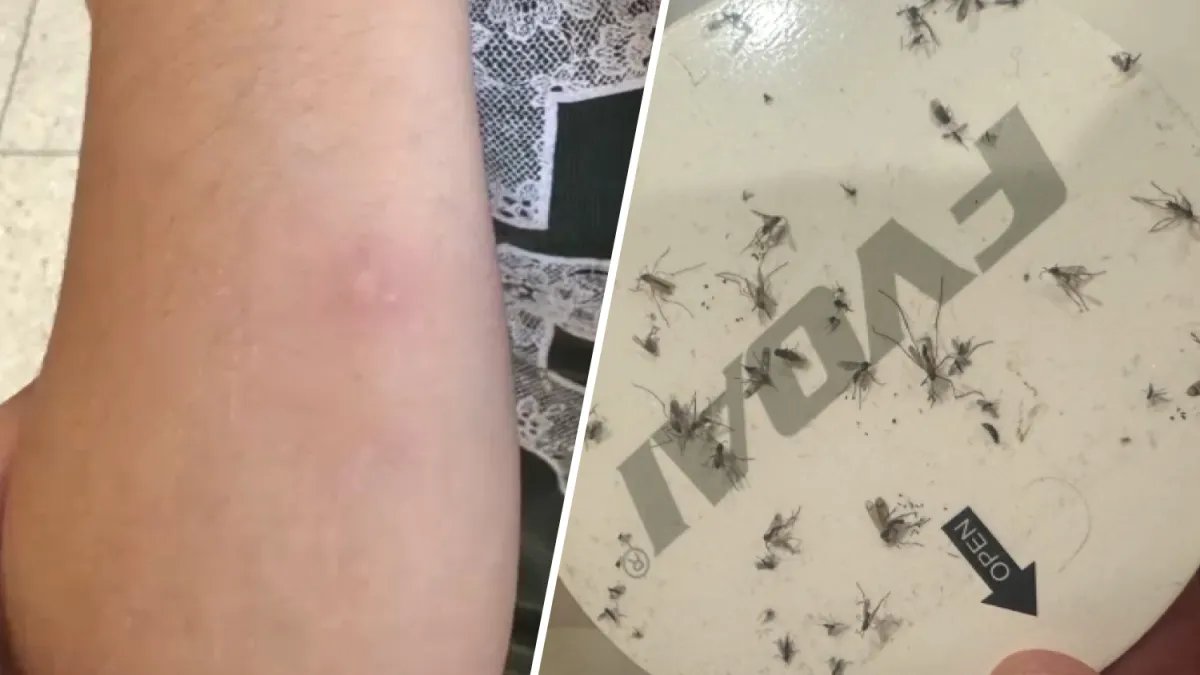
Residents of a neighborhood in El Segundo are grappling with a severe mosquito problem that has persisted since November, causing significant disruption to daily life. Richard Johnson and his wife have resorted to various methods, including using a handheld vacuum and placing a bowl of lemongrass by their bed, in hopes of alleviating the issue.
“These mosquitoes are just really tiny,” Johnson remarked while demonstrating his portable bug zapper, highlighting the diminutive size of the Aedes aegypti mosquitoes that have increasingly invaded Southern California in recent years.
Unlike the larger Culex mosquitoes, which are typically seen outdoors at dusk and dawn during warmer months, Aedes aegypti mosquitoes, often referred to as “ankle biters,” can bite at any time of the day, both indoors and outdoors. This has led to a challenging situation for many residents in El Segundo.
“It’s horrible. We’re living with no sleep. The kids are miserable,” said Samantha Hedding, who lives nearby. “They’re going late to school because they’re up all night dealing with mosquitoes.”
The ongoing issue has left many feeling frustrated, particularly as they believe the mosquitoes are originating from a strip of land owned by the Los Angeles Department of Water and Power (LADWP), which separates El Segundo homes from the Hyperion Water Reclamation Plant.
“Most, if not all, of the affected neighborhoods directly butt up to the City of LA properties,” noted El Segundo Mayor Chris Pimentel. Following the community’s complaints, the city has been in coordination with LADWP and the LA County West Vector Control District to pinpoint the source of the problem.
“The tricky part is it’s not ours, right? So you’re coordinating with someone because it’s not our land,” Pimentel explained. He mentioned that the municipal water treatment plant, which processes 230 million gallons of water daily, presents unique challenges due to the sensitive nature of its operations.
Pimentel, who also resides in the affected area, expressed empathy for residents’ frustration. “If there is a silver lining, vector control has been testing since December,” he said, adding that there have been no reported outbreaks of West Nile virus in the area. “It’s like cold comfort when you’re living with the welts.”
While some neighbors have noted a slight improvement, the situation remains unpredictable. Hedding observed, “It has lightened, but it’s very awkward. One night will be light, and when we think we’ve got relief, the next night, we’re right back to square one.”
Johnson, for his part, has reinforced his doors and windows but remains uncertain about how the mosquitoes are entering his home. “I don’t know how it’s going to end until somebody takes care of it,” he said, echoing the sentiments of many in the community seeking a resolution.