
Who Might Take Iran’s Place in the World Cup? A Closer Look at the Possibilities
Iran’s Withdrawal from World Cup Confirmed Amid U.S. Conflict
Iran’s sports minister, Ahmad Donyamali, announced on Wednesday that the nation will not compete in this summer’s World Cup, following recent U.S. military actions against Iran. This decision comes after a bombing campaign launched two weeks ago, which has reportedly caused the deaths of over 1,300 Iranians, including the country’s supreme leader, Ayatollah Ali Khamenei, according to Iran’s U.N. ambassador, Amir Saeid Iravani.
"Considering that this corrupt regime has assassinated our leader, under no circumstances can we participate in the World Cup," Donyamali stated during a broadcast on state television. He highlighted the lack of security for players and deemed the conditions for participation unacceptable.
Donyamali’s declaration followed remarks from FIFA president Gianni Infantino, who had earlier communicated assurances from President Trump that Iran would still be welcome in the tournament, set to take place across the U.S., Mexico, and Canada. "President Trump reiterated that the Iranian team is, of course, welcome to compete in the tournament in the United States," Infantino conveyed in an Instagram post. He echoed the sentiment that the World Cup serves as a crucial platform for unity during challenging times.
Last year, President Trump signed an executive order suspending visa issuance to nationals from 19 countries, including Iran. However, the State Department has the authority to issue exceptions for participants in significant sporting events like the World Cup.
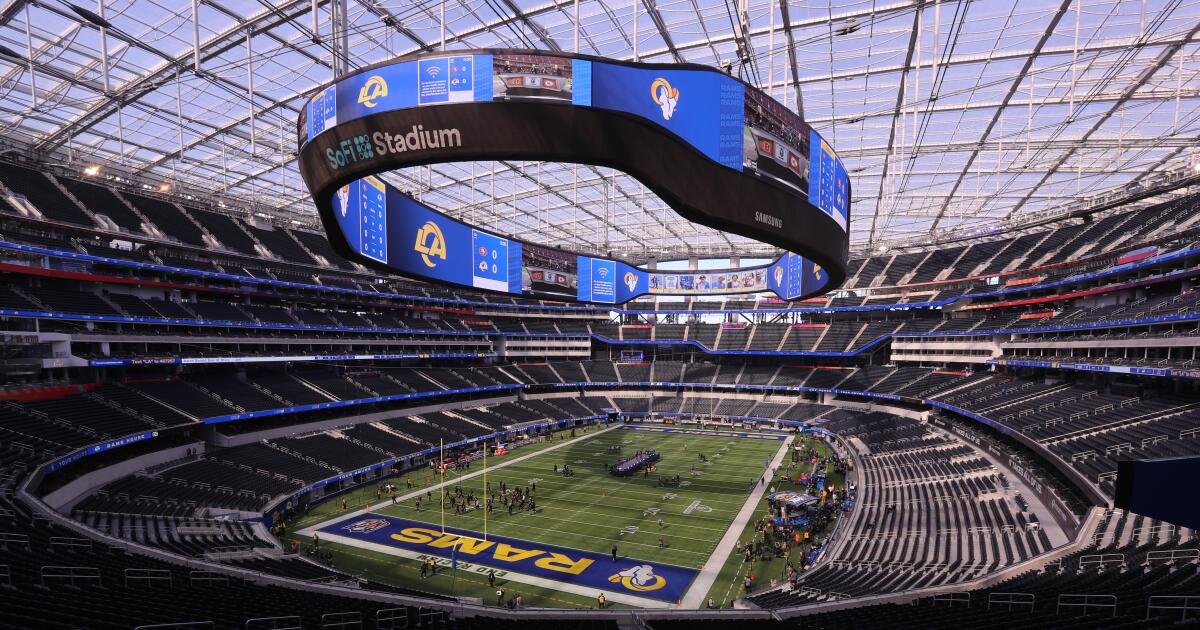
Iran, which has qualified for the last three World Cups, secured its place by topping its group in the Asian confederation tournament. Nevertheless, the country chose not to send a representative to a recent World Cup planning meeting in Atlanta. The Iranian team was placed in Group G and was scheduled to begin play on June 15 against New Zealand at SoFi Stadium in Inglewood, California.
Historically, no country has withdrawn from a World Cup after qualifying since 1950. Although Donyamali did not specify whether he initiated the formal withdrawal process, FIFA may face a tight timeline if a replacement is necessary. FIFA’s regulations stipulate that, upon withdrawal, it may decide to replace the disqualified team at its discretion.
Iraq, the top non-qualifier from Asia, is considered a likely candidate to fill Iran’s spot, albeit logistical barriers related to the ongoing conflict may complicate travel. The availability of a suitable replacement for Iraq in the playoff against Suriname/Bolivia also remains uncertain due to overlapping travel concerns.
FIFA’s guidelines indicate potential fines and other sanctions for teams withdrawing within 30 days of the tournament’s commencement. The World Cup is slated to begin on June 11 in Mexico City and Toronto, with the U.S. opening against Paraguay on June 12.
Overall, Iran’s decision not to participate underscores the broader implications of geopolitical conflicts on international sporting events, casting a shadow over what is typically a unifying global spectacle.