

The Shift in Luxury Goods: Why Some Now Break Down Like Fast Fashion
Influencer’s High-End Shopping Spree Sparks Quality Concerns in Luxury Fashion
When New York model and influencer Wisdom Kaye recently posted about his $18,000 shopping spree at Italian fashion label Miu Miu, he was not prepared for the disappointment that would follow. In a series of now-viral TikTok videos, Kaye documented his experience unpacking the clothing, revealing that several items fell apart almost immediately after purchase.
In the first video, shared in early September to his 13 million followers, Kaye passionately described himself as a “big Miu Miu fan” before detailing the failures of his new garments. “As soon as I get home, everything broke,” he stated, capturing the moment a gold button on a newly purchased denim vest detached as he opened it.
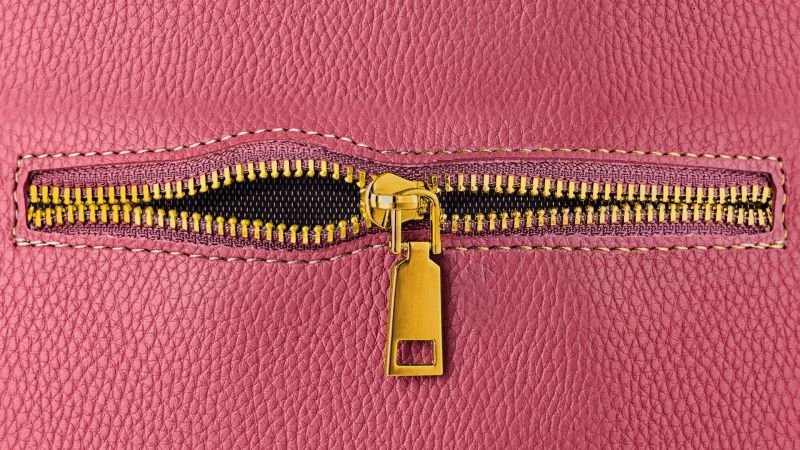
Kaye later showcased a brown sweater featuring a visibly broken zipper. “I had never gone and gotten multiple pieces from a place and things are just breaking as soon as I get home. This is genuinely f**king abysmal,” he remarked in the video.
Just three days later, Kaye returned to TikTok to reveal Miu Miu’s offer of a refund or replacement. Opting for the latter, he excitedly unbuttoned a replacement vest, only to watch another button fall off. “There’s no way! This is unbelievable,” he exclaimed in disbelief.
Miu Miu is now facing wider scrutiny as other consumers take to social media to voice their dissatisfaction with comparable luxury purchases. For instance, dental hygienist Tiffany Kim posted about a new fleece jacket from the brand, claiming it had a drawstring pop out just a month after purchase. Kim expressed frustration over the added cost of repair services offered by Miu Miu, reasoning that having paid $2,000 for the jacket, she shouldn’t have to pay extra for fixing issues she deemed unacceptable.
Similarly, designer Elena Qiu revealed issues with her Maison Margiela tabi boots, purchased for $1,000 but found lacking in expected craftsmanship. After experiencing a malfunction, she chose to take the shoes to a cobbler for repair but noted a reluctance to wear them often, expressing disappointment in the overall quality.
Social media reactions to these posts reflect growing concerns about the perceived decline in craftsmanship among luxury brands. A notable commentary from content creator Fashion Roadman emphasized the need for consumers to reconsider their purchasing decisions until brands improve product durability. “Just because it’s expensive doesn’t make it luxury if the quality is not there!” he insisted.
In response to the emerging controversy, the Prada Group, which oversees Miu Miu, characterized the isolated incidents as not indicative of overarching quality issues. They stated, "Miu Miu’s global post-purchase return rate ranges between 0.2% and 0.3%, making it one of the lowest in the luxury market.”
As conversations about declining quality in luxury goods gain traction, experts like Dana Thomas warn that high prices no longer equate to superior craftsmanship. Thomas, an author and luxury fashion journalist, noted a troubling trend toward cost-cutting measures in the industry. She observed a historical drop in quality since the early 2000s, as brands shift focus from craftsmanship to profit margins.
Volkan Yilmaz, a leather expert with a significant following on social media, echoed these sentiments, pointing to a genuine decline in material quality and construction techniques over the years. He described modern manufacturing as increasingly prioritizing mass production over artisanal methods.
The discussions surrounding these quality issues have implications for consumers and brands alike, serving as a potential wake-up call for the luxury sector to reassess its practices. With growing competition from mid-market brands offering quality at attractive prices, consumers may choose alternatives over high-end labels that do not deliver on their promises of luxury, potentially reshaping the future landscape of fashion consumption.


