
The Met Gala: A New Playground for AI Scammers
AI Takes Center Stage at the Met Gala, Blurring Lines Between Reality and Fabrication
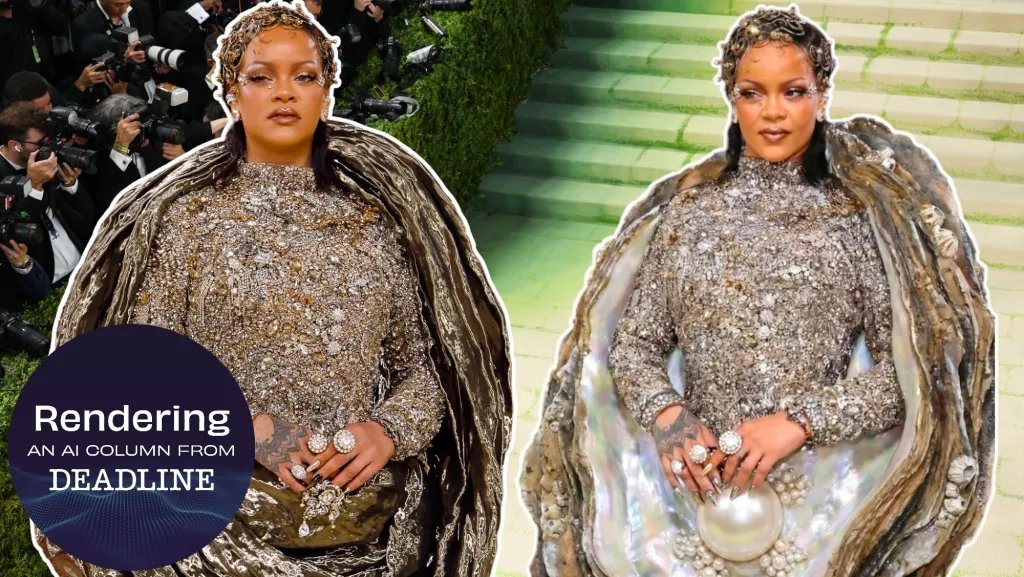
The Met Gala, traditionally a grand fashion showcase for the elite, has found itself entangled in a debate over authenticity, as artificial intelligence (AI) increasingly shapes public perceptions. This year’s event has been overshadowed by a surge of viral, AI-generated images, making it challenging for viewers to differentiate between real and fabricated designs.
In recent years, the iconic red carpet has been invaded by a plethora of digitally altered visuals. These images have significantly complicated the already extravagant atmosphere, raising questions about the nature of creative expression. With a quick scroll through social media platforms like Instagram and X/Twitter, it becomes evident that the advancements in AI technology are contributing to a prevalence of misleading content.
Personal experiences reflect this confusion. One observer mistook Cardi B’s extravagant dress for a lifelike mockery, believing it resembled a giant intestine. However, it was a legitimate creation by Marc Jacobs. Conversely, it took some digging through reputable media outlets to confirm that Lady Gaga did not attend the gala in her celebrated Thierry Mugler dress.
The monumental theme "Fashion is Art" has bewildered many. For instance, images of Dua Lipa referencing Botticelli’s The Birth of Venus and Kendall Jenner donning a Greek statue-inspired outfit have circulated widely, although both designs were ultimately fake. Jenner’s actual attire was a GapStudio piece inspired by the famed Winged Victory of Samothrace. As for Heidi Klum, her marble-like costume genuinely hearkened back to classical sculpture.
Interestingly, even AI systems fell prey to these deceptions. Test images uploaded to Google’s AI tool were misidentified as authentic photographs from the Metropolitan Museum of Art, further blurring the line between reality and fabrication. Astoundingly, the AI search misled users into thinking these images were credible, referencing trusted media outlets in its results.
The integration of AI into the Met Gala’s narrative raises concerns about its impact on cultural and creative institutions. Observers speculate about how figures like Anna Wintour, a stalwart of the fashion world, would react to the amalgamation of AI-generated images with the gala’s storied legacy. Wintour herself might reflect, "Truth is, no one can do what I do," a sentiment that now seems less definitive with the rise of AI capabilities.
Notably, much of the viral content that emerged ahead of this year’s gala originated from an account embraced by the fashion industry. Known as RickDick, this digital artist released multiple batches of AI-generated photos, amassing nearly 900,000 likes within 24 hours. Highlighted images include Pedro Pascal styled after Keith Haring and an imaginative depiction of Jared Leto as a balloon dog, drawing upon his previous Met Gala appearance as a cat.
The artist, Riccardo, has collaborated with prominent brands like Moschino and United Colors of Benetton, making him a recognizable figure within fashion circles. He acknowledges his aim to incite joy and conversation, stating, "If an image can do both, then it’s doing its job." Although he initially shared his AI-generated images to clarify their fictional nature, the lack of explicit labels has led to their misinterpretation across various social networks.
Despite some positive feedback, Riccardo has faced backlash, compelling him to remove certain images when they were met with disapproval. He maintains that the Met Gala’s essence is already steeped in surrealism, suggesting that AI might serve as a fitting complement to an event that often prioritizes style over substance.