Supreme Court Ruling Challenges Copyright Claims for Musicians and Filmmakers
Supreme Court Tightens Standards for Copyright Infringement Lawsuits in Creative Industries
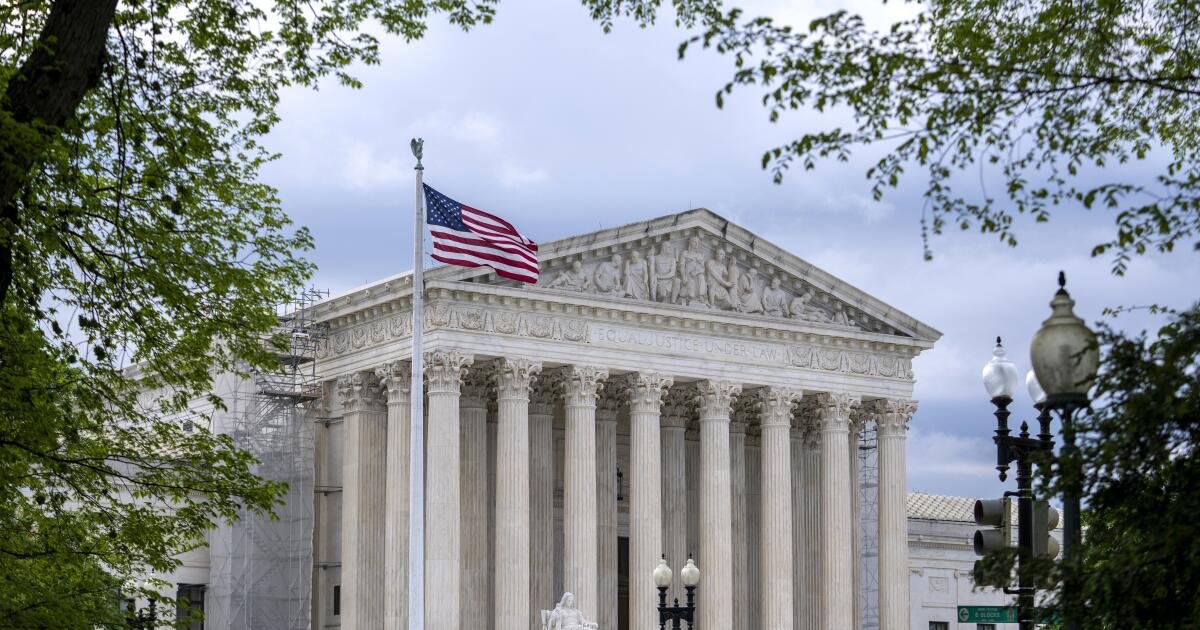
In a landmark ruling, the Supreme Court has significantly raised the bar for music and movie creators seeking to sue for copyright infringement. The decision, which came down on Monday, reshapes the landscape of intellectual property law in the United States, directly impacting artists and filmmakers.
The Court’s ruling emphasizes a more stringent standard of proof, meaning that creators must now demonstrate a higher degree of originality in their works to successfully claim copyright infringement. This newfound requirement complicates the legal process for those in the entertainment industry, who often rely on copyright protections to safeguard their creative outputs.
Justice Samuel Alito, writing for the majority, stated, “We believe that it is essential for copyright law to encourage creativity by maintaining a high threshold for originality.” This perspective resonates with concerns that overly broad interpretations of copyright could stifle innovation.
Historically, copyright law has provided substantial protections to artists, enabling them to seek redress against unauthorized use of their creations. However, with this recent ruling, critics warn that it may deter emerging creators from pursuing legal avenues against infringement, potentially weakening the protections afforded to new and evolving forms of artistic expression.
The ruling represents a pivotal moment for the industry, as it continues to grapple with the complexities of rights management in the digital age. As creators assess the implications of this decision, the balance between fostering artistic innovation and protecting existing works remains a critical discussion point moving forward.