

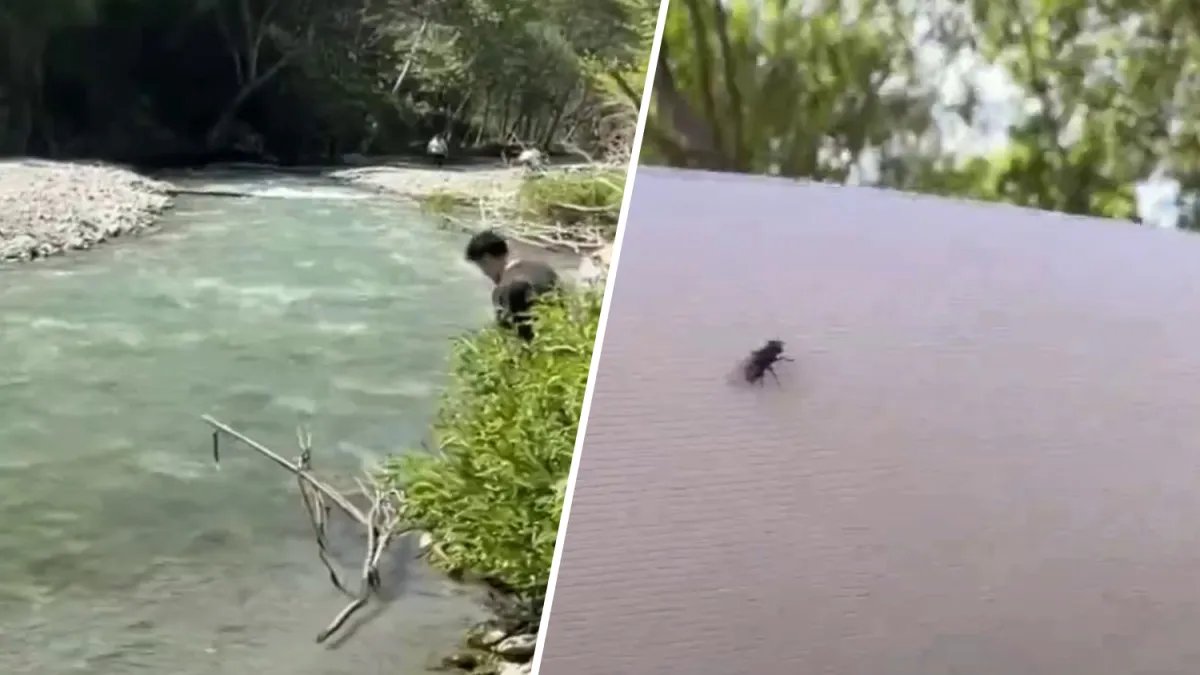
San Gabriel Valley Experiences Increase in Annoying Black Flies
Surge in Black Fly Population in San Gabriel Valley Raises Concern
The San Gabriel Valley is witnessing a notable increase in the population of black flies, commonly known for their painful bites. According to the San Gabriel Valley Mosquito and Vector Control District, black fly activity is currently high and is expected to persist for several weeks. Efforts are underway to manage the situation, including treatments of breeding sites near local rivers, though the impact of these measures will take time to materialize.
Black flies are notorious for targeting areas around the eyes and neck of humans and domestic animals. While their bites can be quite painful, health officials confirm that these insects do not transmit diseases in Los Angeles County.
"Their bites cause a lot of pain," said Anais Medina Diaz of the Mosquito and Vector Control District. "A lot of times they’re confused with mosquitoes, but they’re actually smaller. Their bites are very different. Mosquito bites may lead to itching afterward, while with black flies, you’ll know right away."
To minimize bites, the District recommends several precautions for people in areas where black flies thrive, particularly near flowing bodies of water. Recommendations include:
- Wearing netting over the face, as black flies tend to target facial areas.
- Applying DEET-based repellent on exposed skin.
- Turning off personal water features for 24 hours once a week.
Sudden increases in black fly populations can occur due to water releases from upstream dams, a necessary component of water management in the region. These releases typically happen in spring, coinciding with runoff from melting mountain snow.
Female black flies lay between 200 and 500 fertilized eggs in or on flowing water. Once the larvae emerge, they cling to rocks and other subaqueous surfaces, feeding and growing to about a quarter of an inch over a period that can range from 10 days to several months. Eventually, they transition to adulthood, emerging from a pupal case to float to the water’s surface.