

Rosanna Arquette Critiques Quentin Tarantino for His Frequent Use of the N-Word in Films: A Look at Racism and Artistic Expression
Rosanna Arquette Criticizes Quentin Tarantino’s Use of Racial Slur in Iconic Films
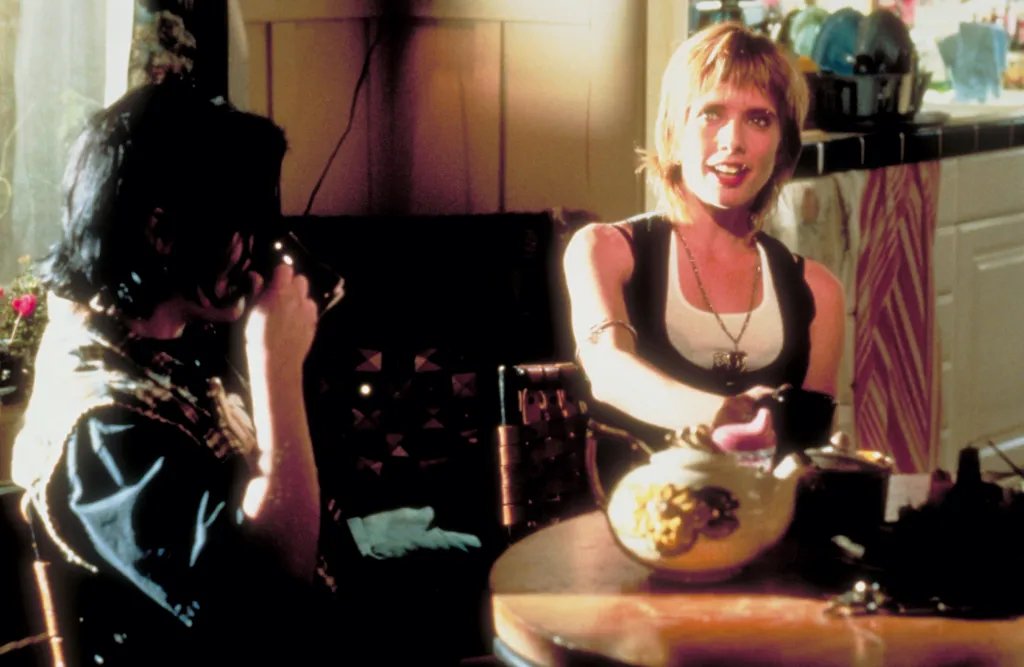
In a recent interview with The Times U.K., actress Rosanna Arquette expressed her concerns about Quentin Tarantino’s use of the N-word in his films, particularly in his 1994 cult classic Pulp Fiction. While Arquette acknowledged the film’s iconic status, she remarked, "I am over the use of the N-word — I hate it."
Arquette went on to criticize the director, stating, "I cannot stand that he has been given a hall pass. It’s not art, it’s just racist and creepy.” Her comments align with a broader conversation about Tarantino’s controversial dialogue choices, which have drawn scrutiny from various quarters.
The Emmy-nominated actress is not alone in her criticism. Many have taken issue with Tarantino’s frequent use of the racial epithet in films like The Hateful Eight, Django Unchained, and Jackie Brown, where it appears dozens of times. In 1997, filmmaker Spike Lee notably condemned Tarantino’s repetitious use of the slur, questioning his fixation with it. "What does he want to be made — an honorary Black man?" Lee remarked, emphasizing that not all African Americans perceive the word as "trendy or slick."
Lee’s critique highlights a long-standing debate about representation and language in cinema. In more recent interviews, Lee Daniels, another filmmaker, echoed similar sentiments, suggesting that Tarantino’s response to criticisms—advising audiences to "see something else" if they disapprove—was inappropriate. Daniels noted that while he once viewed Tarantino’s use of the word as artistic, he no longer believes the director is justified in that perspective.
In contrast, Samuel L. Jackson, who starred in both Pulp Fiction and Django Unchained, defended Tarantino’s choices. In a 2022 interview, he argued that those who criticize Tarantino for his dialogue are being unfair. “Every time someone wants an example of overuse of the N-word, they go to Quentin — it’s unfair," Jackson stated. He maintained that Tarantino’s filming style serves the story and characters, comparing his work to that of other filmmakers in the industry.
As discussions about race, representation, and language continue to evolve, the conversation surrounding Tarantino’s films remains a focal point for critics and supporters alike.