Richard Marx Reflects on Breaking Free from the Balladeer Label and Embracing Change
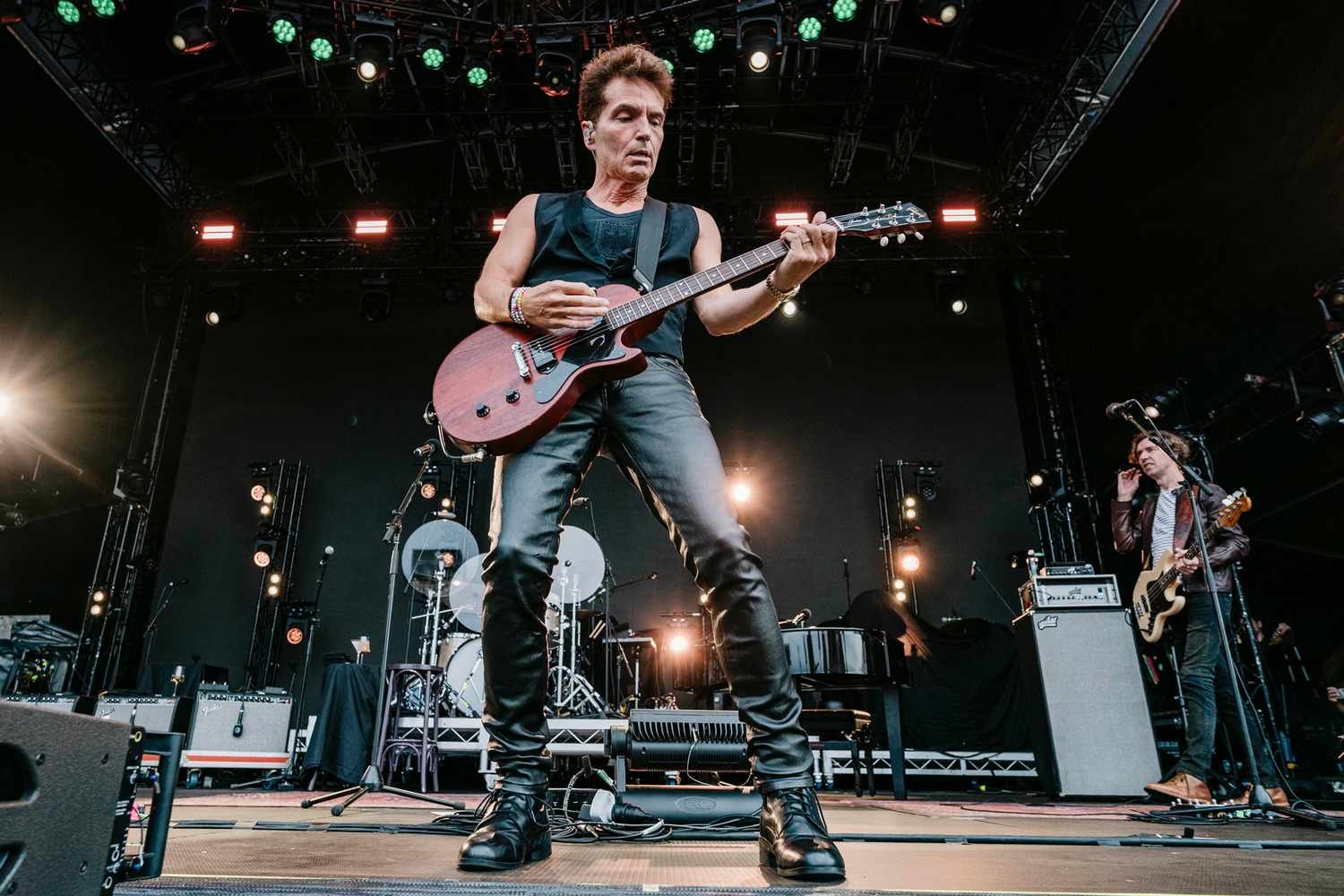
Richard Marx performing at Sydney Opera House in 2024.
Credit:
Ashley Mar
NEED TO KNOW
- Richard Marx expressed past frustrations with being labeled a balladeer.
- The musician now appreciates the success that followed his ballads.
- He cites the connection to fans as a major positive of his career.
Richard Marx, who rose to fame in the rock genre, reflected on his evolution as an artist in a recent interview. Best known for his ‘80s ballads like “Right Here Waiting” and “Hold On to the Night,” Marx initially felt constrained by the label of a balladeer.
At 62, Marx candidly shared with PEOPLE that he “bristled at the pigeonholing” that came with mainstream success in slower songs. He recalled the dismissive attitudes from critics who questioned his rock credentials: “F— you. Just because you can’t do both, I can do both.”
The Grammy Award-winning artist, who recently released his latest album, After Hours, pointed to other rock bands that have also achieved success with ballads, such as Journey and Nickelback, as fuel for his frustrations. “Historically, you look at a band like Journey and what are their biggest songs? The ballads. ‘Open Arms’ and ‘Faithfully’,” he remarked.

Richard Marx.
Jamieson Mundy
Marx noted that his perspective has shifted over time. “With age comes, if you’re lucky, who cares? My life is great,” he explained. This shift, he noted, happened almost “overnight.” He has grown to appreciate the connections he has with fans, especially during live performances when audiences sing back to him.
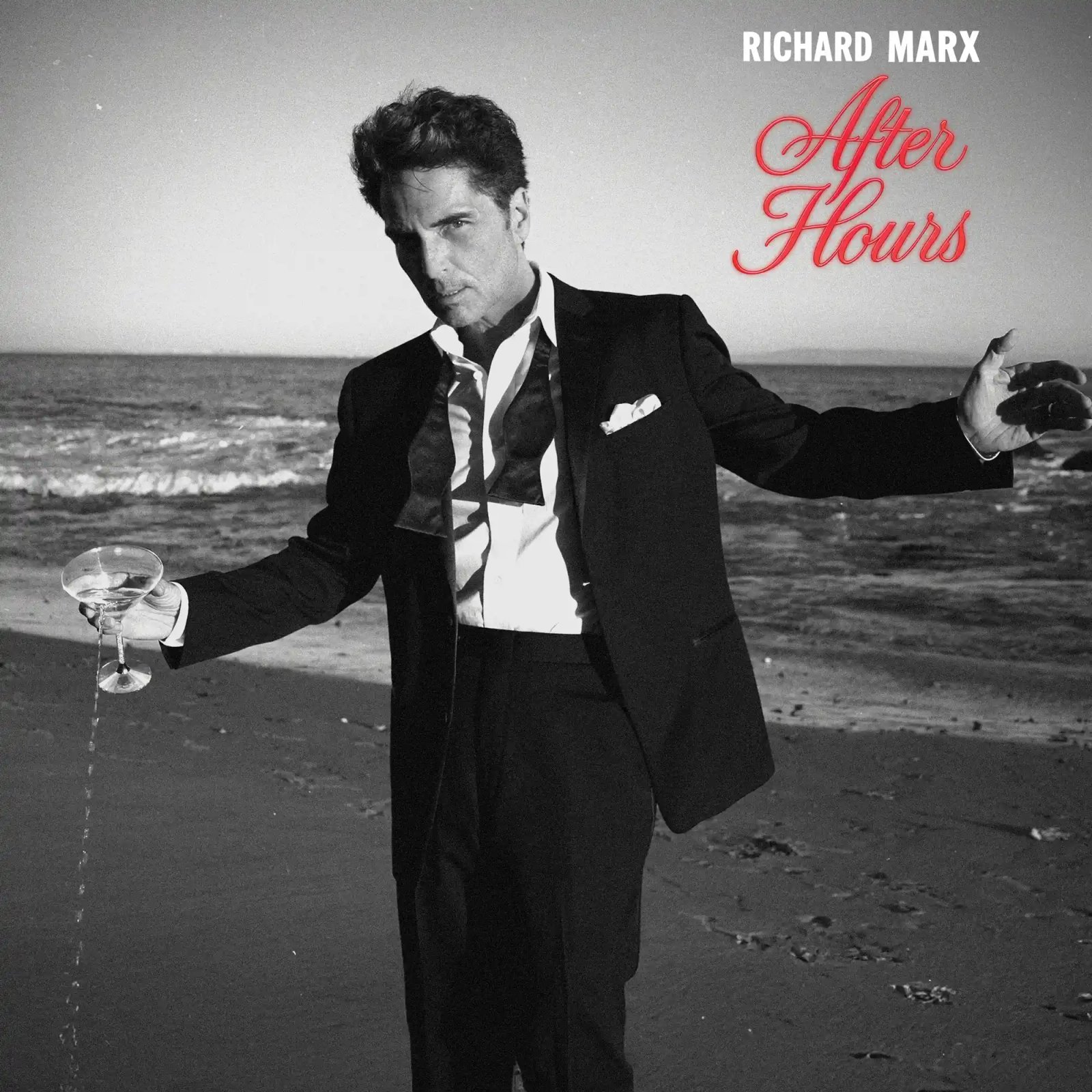
Richard Marx ‘After Hours’.
Marx expressed pride in the longevity of his music, particularly noting how new generations are engaging with his songs. “I see on TikTok and Instagram, 8-year-olds playing it on the piano and posting videos. Are you kidding me? That song’s almost 40 years old,” he said, reflecting on the treasure that comes with lasting recognition.
His latest album, After Hours, marks a return to form. Described as a love letter to the Great American Songbook, Marx aims to create music that complements relaxed moments. “It was a really fun challenge, to see if I could pretend that it was 1948 and I was pitching a song to Sinatra,” he said of the creative process behind the album.