
Péter Magyar Wins Hungary Elections as Viktor Orbán Acknowledges Loss
Centre-Right Leader Péter Magyar Unseats Viktor Orbán in Hungary’s General Election
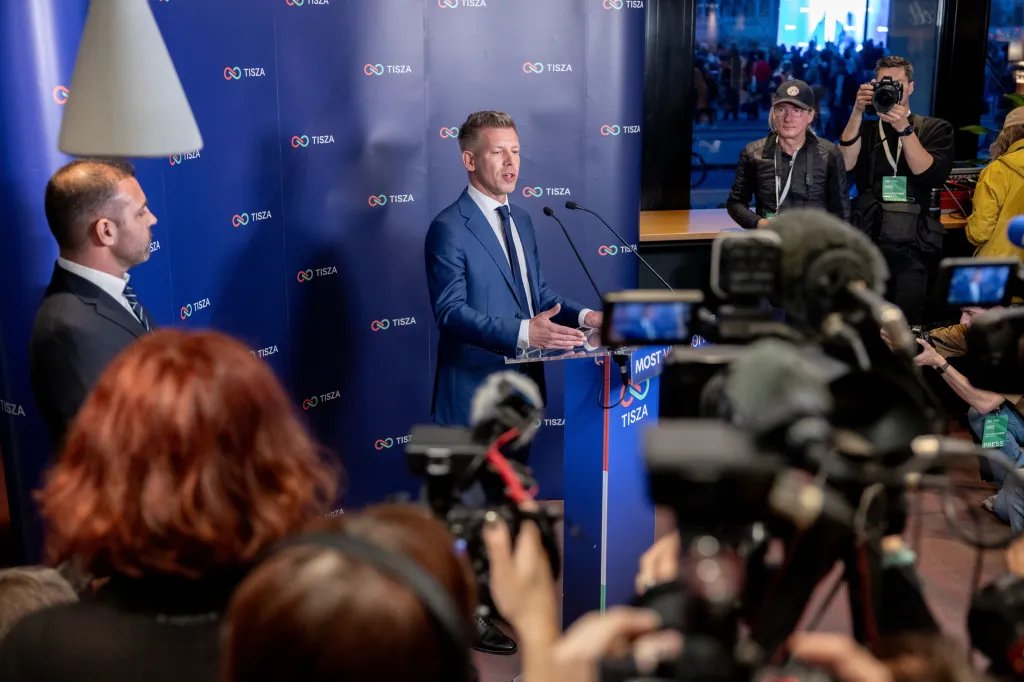
In a significant political shift, Péter Magyar, leader of the centre-right Tisza party, has emerged victorious against populist Prime Minister Viktor Orbán in Hungary’s general election held on Sunday. Although final results have not yet been officially released, Orbán conceded defeat shortly after polls closed, addressing his supporters and acknowledging the outcome.
As of now, local media reports indicate that Magyar’s Tisza party is projected to secure 136 seats in Hungary’s 199-member parliament, compared to Fidesz’s anticipated 56 seats. This election marks the end of Orbán’s 16-year leadership, a tenure characterized by allegations of authoritarian practices, corruption, and restrictions on press freedom. Orbán’s pro-Russia stance and opposition to Ukraine have also placed his government at odds with the European Union.
Magyar’s ascendance signals a pivotal moment for Hungary, long recognized as an appealing destination for international film production with recent projects like Dune: Part Three and Ponies having filmed in the country.
Originally a Fidesz loyalist, Magyar parted ways with Orbán’s party in 2024, protesting against a government decision to cover up a sexual abuse scandal linked to state-run children’s homes. Since then, he has been candid about the corruption he witnessed during his tenure close to the power.
His election campaign focused on tackling corruption, restoring press freedom, and revitalizing Hungary’s economy—an urgent mission as the country battles with high inflation rates, currently at 40%, and a stagnating economy. These pressing issues have undermined public trust in Orbán, whose administration has faced mounting criticism over its handling of corruption and economic challenges.
Notably, Magyar’s victory comes shortly after U.S. Vice President J.D. Vance publicly endorsed Orbán during a rally, where he critiqued the European Union’s influence in the elections. Vance had suggested that Hungary’s authoritarian model in higher education might serve as a template for the United States.
Over the years, Orbán and his Fidesz party have effectively consolidated control over independent media, educational institutions, and the judiciary, leading to Hungary’s drop from 23rd to 68th in the Reporters Without Borders’ World Press Freedom Index from 2010 to 2025. Efforts to stifle media freedom began soon after his initial election in 2010, with legislative overhauls and the dismissal of over 1,600 journalists from public broadcasting.
Magyar’s first actions upon leaving Fidesz included organizing protests demanding the dismantling of Orbán’s media control. While Hungary’s international film sector has thrived, many local filmmakers critical of the government report that they have been strategically excluded from state funding opportunities.
Representing itself as a bastion of traditional family and Christian values, Fidesz has also enacted measures targeting the LGBTQ+ community, banning same-sex civil unions, restricting gender studies in universities, and allowing intrusive surveillance at events like Pride parades. Additionally, Orbán’s administration has pursued a stringent anti-immigration policy.
While Magyar’s commitment to pro-European values and press freedom aligns with EU expectations, analysts caution that his views on LGBTQ+ rights remain uncertain, and he may adopt a stricter immigration stance than his predecessor.