Peter Bart: The Challenge of Choosing Movies That Resonate with America
As the summer rolls in, moviegoers find themselves placing bets on Kalshi regarding which films will dominate box office sales. With titles like Ryan Gosling’s "Hail Mary" and the return of Super Mario, the competition is heating up.
However, the film landscape appears more fragmented than ever. Audiences, divided by genre and preferences, now include a vast array of viewers from different generations, each gravitating towards their preferred entertainment—whether that’s immersive gaming experiences or solo gaming marathons.
Disney is set to release new installments of beloved franchises including Star Wars and Toy Story. Yet, its flagship event this summer is a billion-dollar cruise ship named after the latter, which embarked from Singapore last week. This cruise offers an array of themed activities for 6,600 passengers, although it lacks traditional sightseeing, a choice many critics have noted as indicative of shifting trends.
Competing firms are also introducing immersive experiences centered on popular themes like Harry Potter and Stranger Things. This shift raises questions about why consumers should continue purchasing movie tickets when live experiences are increasingly sought after.
Simultaneously, a nostalgia-driven audience remains engaged with classic shows that shaped earlier generations. A recent compilation by the Wall Street Journal listed iconic programs such as I Love Lucy, Star Trek, and All in the Family, which were staples for younger viewers in the mid-20th century. “Starting in 1948 everyone gathered to see something novel,” the publication noted, emphasizing a unified cultural experience absent in today’s diverse media landscape.
In contrast, a follow-up list revealed modern preferences, indicating audiences are trending towards AI video games, interactive fiction, VR sports attractions, and innovative board games. One skeptic observed, “The AI-generated content will be fed to a zombie audience that’s looking simply for explosions.”
However, a more optimistic perspective from Variety highlighted that past blockbuster hits, from Modern Times to The Best Years of Our Lives, significantly reshaped pop culture. These films shared characteristics of unique vision and strong emotional resonance, combined with an essential theatrical quality that captivated viewers.
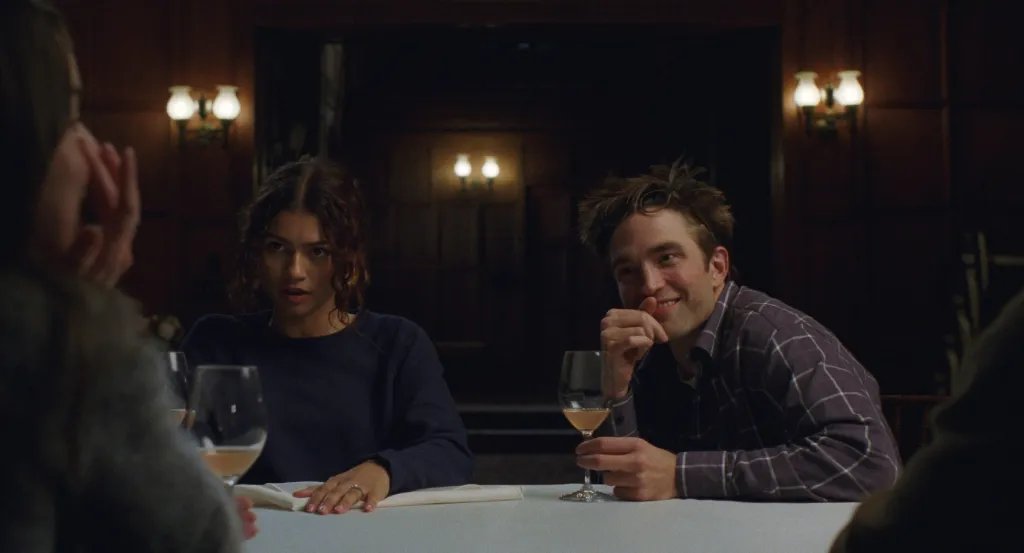
Recently, I attended a film titled The Drama, which dealt with gun violence in a thoughtful manner. Despite its compelling themes, the film seemed to generate more chatter than recognition, suggesting it may not captivate audiences to the extent necessary for success this summer.
As the season unfolds, many contenders may struggle to emerge as noteworthy experiences worth betting on, with audiences remaining skeptical of their impact on cinema’s evolving landscape.