
Peter Bart: How Oscar Week Offers a Welcome Break from Hollywood’s Changes and Challenges
Two decades ago, while engrossed in episodes of The Sopranos on HBO, few could have predicted the network’s evolution into a corporate asset, ultimately changing hands among giants like AT&T, Discovery, Warner Bros, and Paramount+.
The tumultuous deal-making surrounding HBO highlights a Hollywood landscape increasingly focused on restructuring rather than artistic recognition. For many industry professionals, the annual rituals of Oscar week provide a momentary distraction rather than genuine excitement.
Employment data in the film and television sectors is difficult to track, yet many within these industries appear to be facing higher levels of uncertainty than in recent memory. As they search for new opportunities, some industry veterans find time to fill out Oscars ballots, ensuring they have viewed the nominated films in advance.
While guarantees may be scarce in Hollywood, the Motion Picture Academy continues to urge its 10,000 global members to affirm the integrity of their votes. Personally, I confess to skipping numerous selections.
Watch on Deadline
Beyond voting issues, a look at Hollywood’s corporate environment reveals an array of factors contributing to job insecurity. With a staggering $79 billion in debt, questions arise about whether a newly merged Warner Bros and Paramount can realistically produce the promised 30 films annually.
Moreover, can restructured management teams at Paramount+ and HBO Max foster the vital creative relationships necessary to navigate $6 billion in synergies while satisfying a subscriber base of 200 million?
Known for their resilience, entertainment professionals often appear immune to identity crises, though this immunity may be illusory. Reflecting on my career across six corporate entities, I have experienced both the satisfaction of creative productivity and the personal costs associated with adaptation in a constantly changing environment.
I recall a hectic post-merger management meeting, where project titles and careers were casually reassigned between “active” and “abandoned” lists, often overlooking historical significance. During one United Artists session, I pointed out that a James Bond film had been misplaced in the junk pile, leading to necessary corrections.
As management shifts continued, creative visions were frequently compromised. Notably, during the development of The Godfather, the sudden dismissal of the studio president considerably delayed production. Similarly, nurturing Hal Ashby’s Being There required years of careful negotiation amid threats to rights and credits.
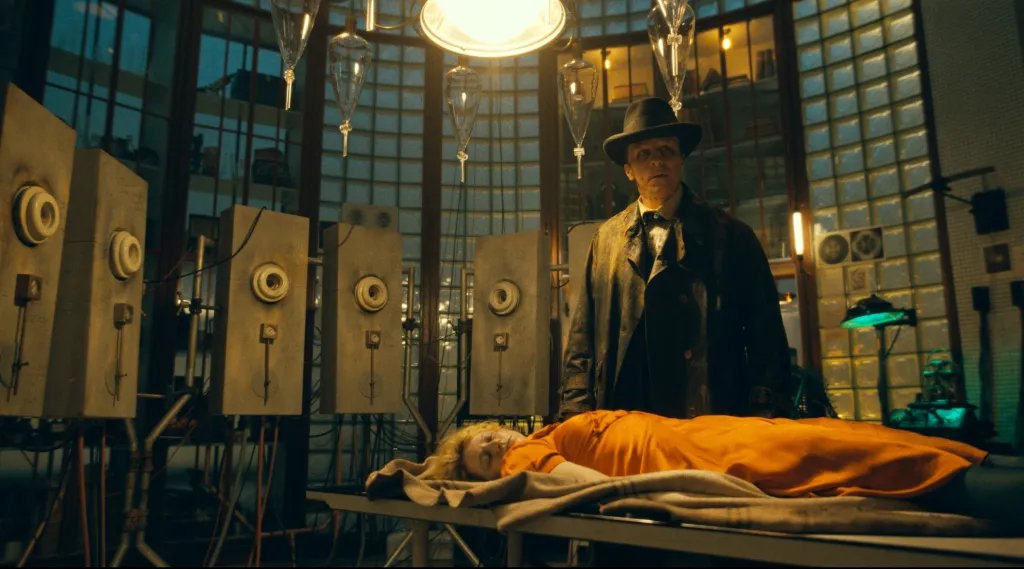
Successful progress typically demands patience, yet this quality is increasingly rare in a climate where careers are precarious and costs are soaring. Current estimates suggest that Warner Bros’ The Bride! may incur a net loss of $90 million.
In contrast, The Godfather was approved by Paramount in 1971 with a budget of $7 million.
Filmmakers dedicated to their craft must navigate crisis meetings with realigned managements to secure their place among future Oscar nominees, with acceptance speeches increasingly resembling acts of political diplomacy.