

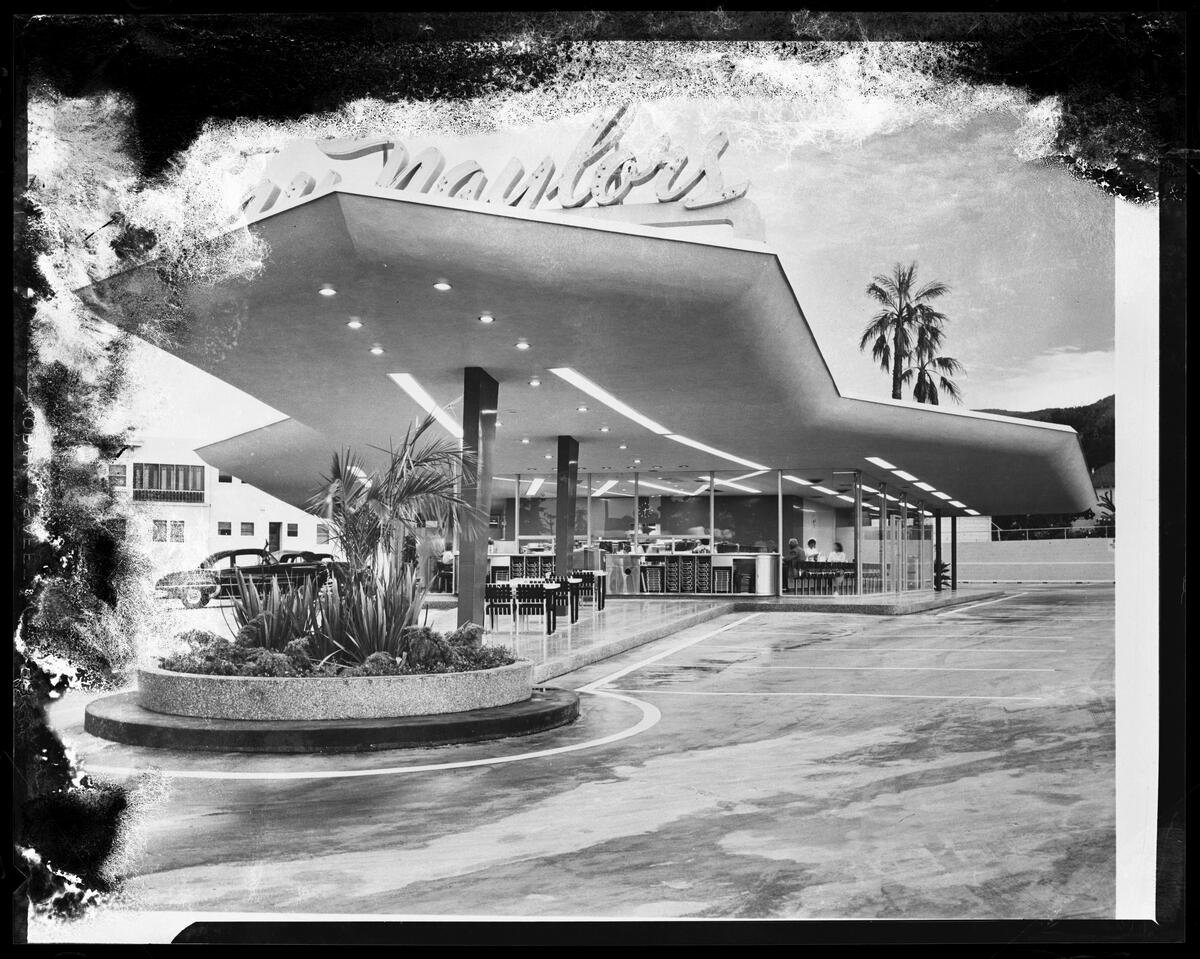
Navigating Ego and the Challenge of Finding the Last Parking Spot
The Unofficial Battle Over Parking Spaces in Los Angeles
In Los Angeles, a unique conflict unfolds far beyond the infamous freeway gridlock. The city’s streets have become arenas for a different kind of confrontation: the battle over parking spaces.
While the city is familiar with various grievances—from merciless traffic on the 405 to those who suggest dining across town when it’s a logistical nightmare—there’s one particular frustration that resonates across Los Angeles. This is the act of individuals saving a parking spot with their bodies.
Picture this: a person stands guard like a human traffic cone, arms crossed, sunglasses shielding their eyes, as if they were protecting the last coveted heirloom of a family legacy. Their friends, they claim, are “just around the corner,” “literally pulling up,” or “two minutes away.” Yet, their friends remain perpetually absent.
This behavior prompts a crucial question: When did parking spots in Los Angeles become reservable real estate?
In this sprawling city, parking equates to more than mere convenience; it signifies survival and strategy. Securing a space can mean the difference between a relaxed dinner and arriving late, flustered, and agitated.
Finding an available parking spot often feels akin to spotting a rare animal in the wild. A driver may spot a potential space, heart racing in anticipation, only to find someone standing in it, claiming ownership as if designated by the city itself. Technically, saving a space in this manner holds no legal standing, but such reasoning rarely persuades the individual at the scene. They defend their post with the fervor of a knight safeguarding their castle, asserting their friend is on the way.
Indeed, this parking dilemma exists in a peculiar grey zone between public infrastructure and personal entitlement. Anecdotes abound, such as two adults passionately arguing over a space outside a taco restaurant in West Hollywood for a full five minutes—a duration ample enough for three other cars to park, eat, and depart.
This parking quandary strikes a universal chord among Angelenos, as everyone has experienced both sides of the struggle. The driver, frustrated after multiple laps around the same block, and the friend steadfastly defending a spot, fueled by the belief that victory is just a moment away.
Los Angeles, a city designed for vehicles, has lacked a coherent parking strategy. Restaurants often showcase ten tables but have only two parking spaces, while apartment buildings with twenty units may offer a meager four spots. Each neighborhood quietly develops its own rules of parking diplomacy, where residents learn which streets are safe and which meters are mysteriously out of service.
In this context, a good parking spot transforms from a mere convenience into something more significant—a small victory. Messages like “Unbelievable parking tonight” have almost become emblematic of Los Angeles culture, underscoring how even the simplest achievements can elicit immense satisfaction in this city defined by its challenges.
However, this battle for a parking space also reflects deeper issues—highlighting egos, pride, and the unspoken belief that individuals are somehow more deserving of the spot than others. The tension created in these moments resembles a standoff between two cowboys in an old Western, but with vehicles and subtle confrontations replacing revolvers and horses.
Thus, while the individual securing the parking spot may typically be seen as the antagonist, the reality is that in Los Angeles, anyone can find themselves in the role of the villain—if only for a moment, just waiting for that friend who is “two minutes away.” The struggle over a parking spot may seem trivial, yet it reveals a complex interplay of human behavior in a city where battles are often waged over the smallest of territories.


