

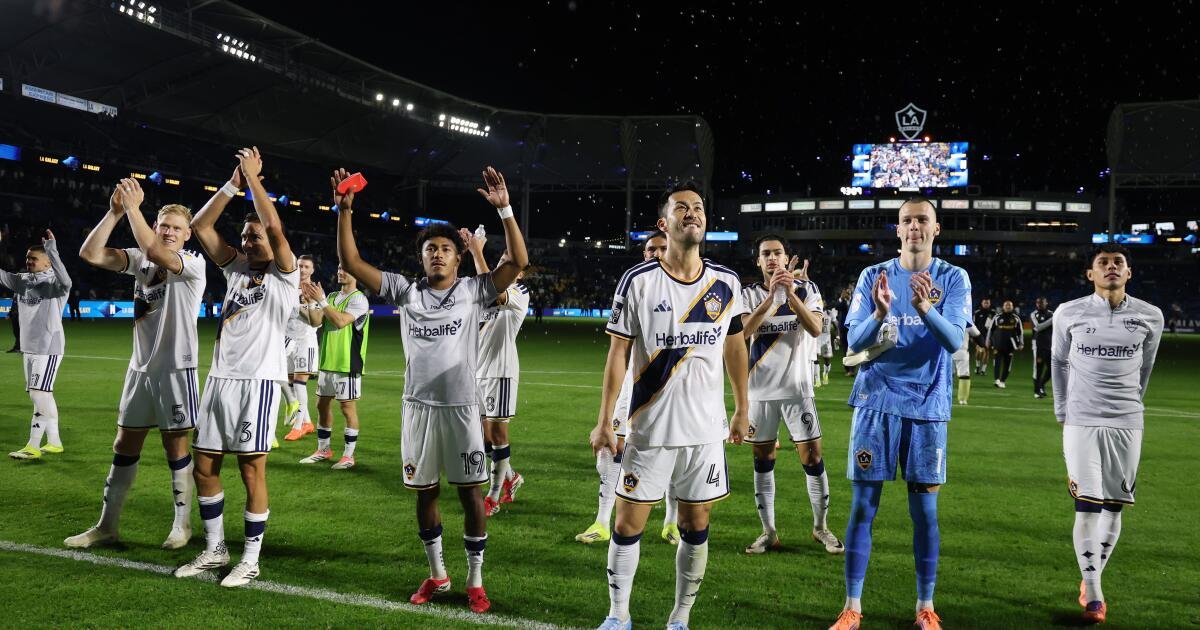
Mount Pleasant Faces Visa Issues That Could Leave Them Without 10 Players Against Galaxy Concacaf
The U.S. State Department has denied visa applications for members of a Jamaican soccer team set to face the Galaxy in the CONCACAF Champions Cup. This decision raises concerns that the Trump administration may impede travel for players participating in this summer’s World Cup.
A source from CONCACAF, speaking on the condition of anonymity, confirmed that the organization is aware of the situation and is collaborating with the team to appeal the visa denials. The Champions Cup is the region’s premier club tournament, representing soccer associations from North America, Central America, and the Caribbean.
Mount Pleasant FA, the reigning champion of the 2025 CONCACAF Caribbean Cup and a two-time runner-up in the Jamaican Premier League, is making its debut in the Champions Cup. The roster includes six players from Haiti, a nation whose citizens currently face entry bans to the United States under the Trump administration’s restrictions.
Under the presidential proclamation exception, the State Department retains the authority to grant entry to “athletes, coaches, and essential support staff” from any nation for significant sporting events such as the World Cup or the Olympics.
Challenges have arisen beyond soccer; recently, a delegation from Cuba attending the World Baseball Classic also had their visa requests denied. Cuban citizens are subject to the same restrictions as Haitians, complicating their ability to attend events in the U.S.
Despite these setbacks, Haiti and Jamaica participated without issue in last summer’s Gold Cup in the United States. The State Department has yet to provide comments on the current situation.
The CONCACAF source expressed optimism for a resolution with the State Department regarding the visas but noted that Mount Pleasant’s game against the Galaxy will proceed regardless. Scheduled to depart on Sunday, the club reported that as many as ten players may not receive visas, compelling it to consider relying on youth academy members to fill the roster.
“We don’t want to just show up for the game; we want to be able to compete, but we are not being given the opportunity to be at our best,” said Paul Christie, the team’s sporting director.
The approaching match is just one of many that underscore the complications surrounding U.S. visa policies. A significant question now looms: how will the administration handle visa issuance ahead of the World Cup? Four qualifying teams are impacted by these travel restrictions. Citizens of Iran are under a total ban, while Haiti faces similar challenges; Senegal and Ivory Coast citizens encounter severe entry limitations.
Previously, members of Iran’s delegation were denied access to the U.S. for December’s World Cup draw, an event where FIFA President Gianni Infantino presented a prize to President Trump. Last summer, Senegal’s women’s basketball team had to cancel a planned training camp in the U.S. due to visa complications affecting several of its players and staff.
As these issues unfold, the implications for future sporting events in the U.S. remain uncertain.