
Margot Robbie’s Stunning Sheer Dress Channels a Timeless 1996 Mugler Style
- Costume designer Jacqueline Durran shared her insights on the forthcoming film adaptation of Wuthering Heights.
- Margot Robbie is set to wear a striking see-through plastic-effect strapless gown, designed with only a ribbon to secure it at the waist.
- This bold look draws inspiration from a 1950s pin-up photograph and Thierry Mugler’s 1996 collection.
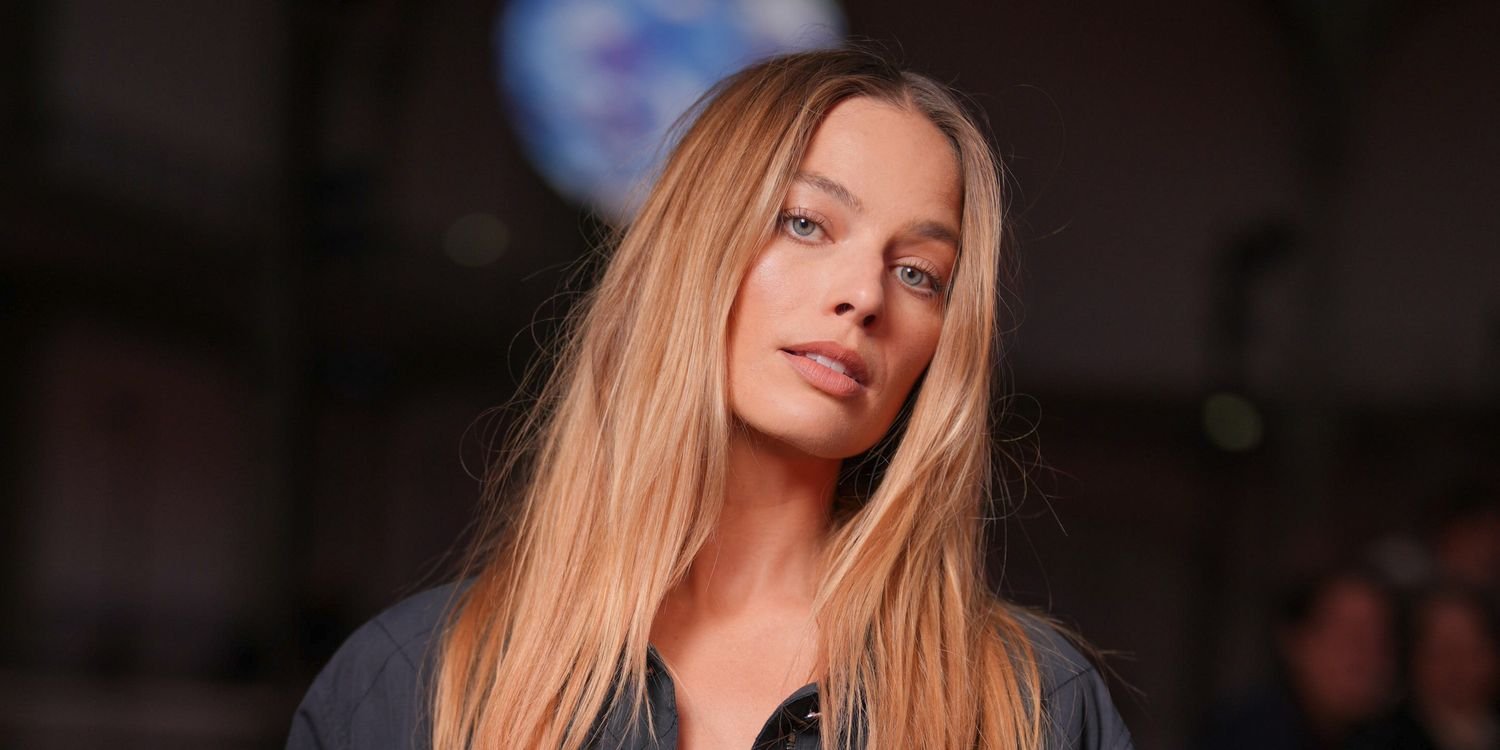
As anticipation builds for Emerald Fennell’s adaptation of Wuthering Heights, which is set to premiere next month, fashion enthusiasts are particularly excited. The film promises Margot Robbie will showcase an array of daring outfits that lean more towards a fantasy aesthetic—detached from the era of Emily Brontë’s original novel. Among the most talked-about ensembles is Robbie’s striking see-through plastic-effect strapless gown, which has already sparked considerable debate.
Margot Robbie in Wuthering Heights.
Warner Bros./YouTube
In a recent interview with British Vogue, Durran detailed her creative process behind Robbie’s costume for Cathy’s wedding night. The gown features a cellophane-esque look, enhanced by a flowering bodice and a voluminous sheer skirt that fans out from a cinched waist defined by a large pink bow belt.
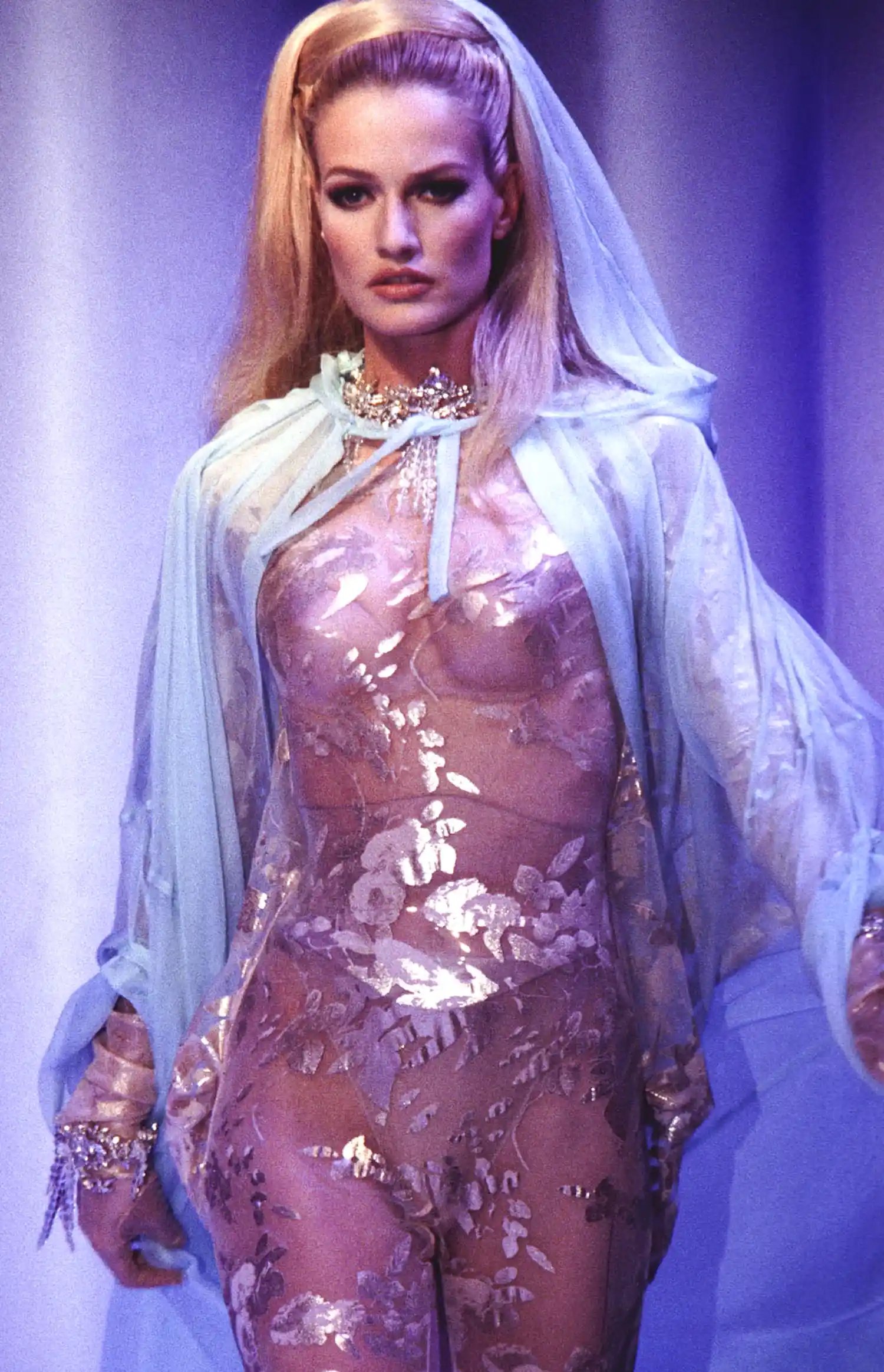
Mugler Spring/Summer 1996.
Getty
“One image Emerald showed me was this amazing 1950s picture of a woman wrapped in cellophane, almost like a gift with a bow around the middle,” Durran explained. “That was the starting point for this look, and we thought about how to recreate this. It’s about Cathy being a gift on her wedding night.” Durran also acknowledged the influence of a sheer design from Thierry Mugler’s spring/summer 1996 collection and pieces from Honor NYC’s collection VIII for spring 2024.
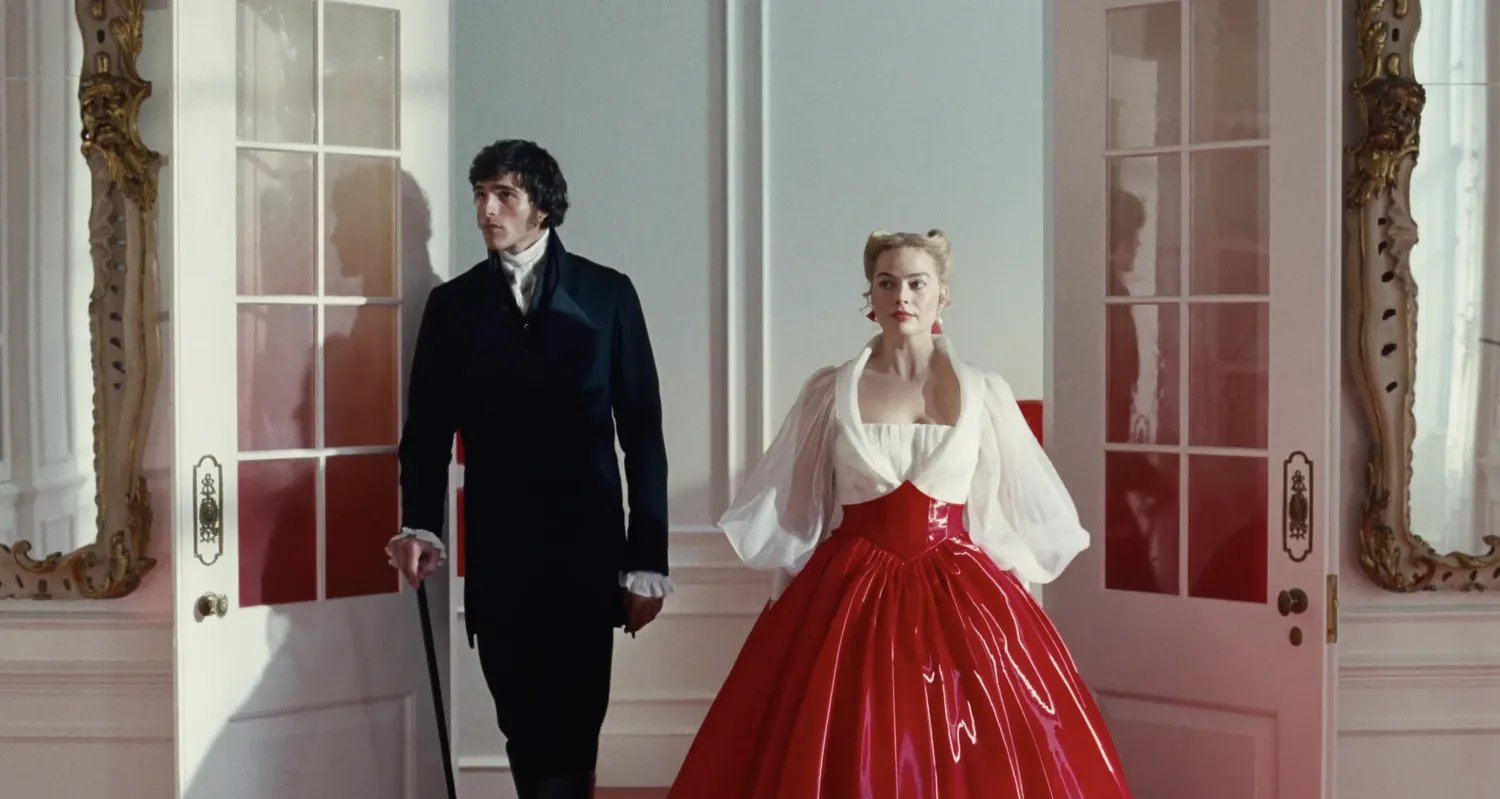
Jacob Elordi and Margot Robbie in Wuthering Heights.
Warner Bros./YouTube
In the film, Robbie portrays Cathy, while Jacob Elordi takes on the role of Heathcliff. Reflecting on the film’s romantic ambitions, Robbie previously remarked in an interview with British Vogue, “It’s just been so long since we’ve had one—maybe The Notebook or The English Patient. You have to go back decades for that kind of epic feeling.” She further noted that Fennell’s storytelling technique aims for a visceral emotional impact, stating, “Whether it’s titillating or repulsion, her superpower is eliciting a physical response.”