March For Our Lives Criticizes A24’s Marketing Approach and Calls for Higher Standards from Artists
Editor’s note: This article contains spoilers for The Drama.
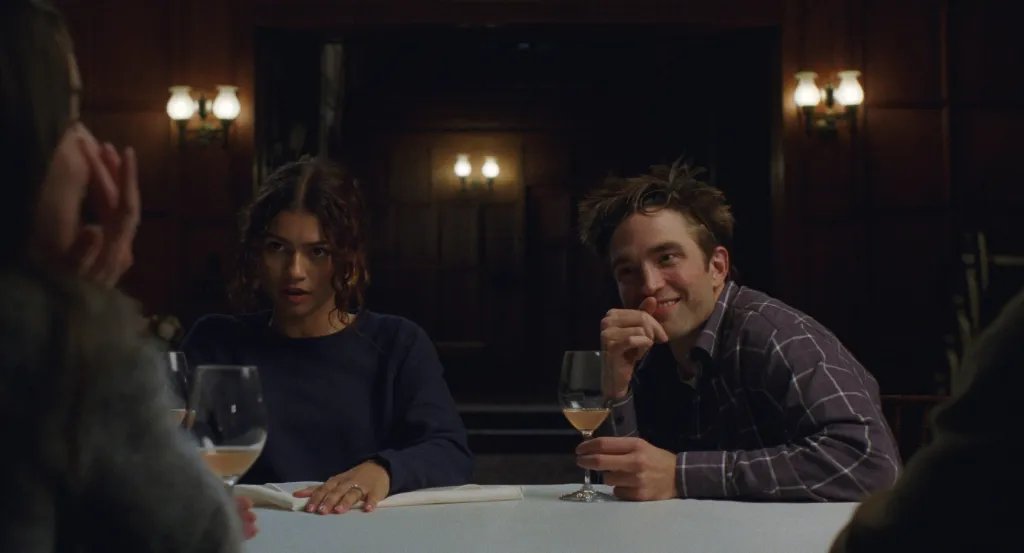
In advance of the premiere of Kristoffer Borgli’s The Drama on Thursday night, gun violence prevention organization March for Our Lives issued a statement criticizing the film’s marketing campaign as “deeply misaligned.” The dark romantic comedy, distributed by A24, has come under scrutiny for its portrayal of serious subject matters.
The student-led advocacy group shared a disclaimer on Instagram, emphasizing the need to address the film’s themes without revealing its plot. Much of the promotional discourse has avoided discussing significant issues; however, a pivotal moment in the film occurs early when Zendaya’s character, Emma, discloses that the worst thing she has ever done is plan a mass shooting at her school—though she ultimately did not follow through.
“The film may be attempting to engage real questions about accountability and change, but A24’s marketing does not meet it there,” the statement asserted. “With a subject this serious, especially in the U.S., that conversation cannot begin and end on screen. It has to carry through in how the film is presented. We understand that art can provoke discomfort and use humor to approach difficult subjects. But when something like a school shooting is treated lightly or played for irony, it raises a deeper question: what kind of conversation is this meant to start?”
While the nonprofit hopes the film will “spark conversation,” as hoped by Borgli and the cast, it stressed the importance of guiding that dialogue in a constructive direction. “There is a responsibility to help shape that conversation, not just provoke it,” the organization noted.
The statement wrapped up with a strong message: “That expectation only grows when the artists involved have this level of cultural influence. The way this film has been marketed is deeply misaligned with the reality it engages. We expect better from A24 and the artists behind it.”
In a follow-up interview with IndieWire, March for Our Lives Executive Director Jaclyn Corin highlighted that “leaving [the marketing] up in the air and not taking responsibility and discussing how heavy and real-world that topic is is a missed opportunity at best, but harmful at worst.”
A24 has not commented on the criticism to date.
Last week, TMZ reported on a statement from Tom Mauser, a parent of a victim from the 1999 Columbine High School massacre, who described the film’s premise as “awful” and expressed concerns over what he perceived as a trivialization of the subject matter.
Corin concluded her interview with IndieWire by advocating for honesty and respect in response to public sentiments: “When families and survivors are expressing discomfort, that should be met with respect. Offering more clarity on tone and intent could help audiences better understand what the film is actually trying to do. If they truly hope this film sparks conversation, they might consider hosting a dialogue featuring the director, filmmaker, or the actors involved, illustrating what a productive and serious conversation about gun violence looks like.”