Lena Dunham Shares Insights on ‘Girls’ and Misinterpretations of Adam Driver’s Character as a Romantic Hero
Nearly a decade has passed since *Girls* concluded its six-season run on HBO, and creator and star Lena Dunham is now reflecting on the show’s impact and legacy.
In an extensive interview with *The New York Times* journalist David Marchese, Dunham discussed her upcoming memoir, *Famesick*, which addresses themes of chronic illness, sexual violence, and her complicated relationship with fame. Throughout the conversation, she also contemplated how audiences have interpreted *Girls* and its connection to her life experiences at the time.
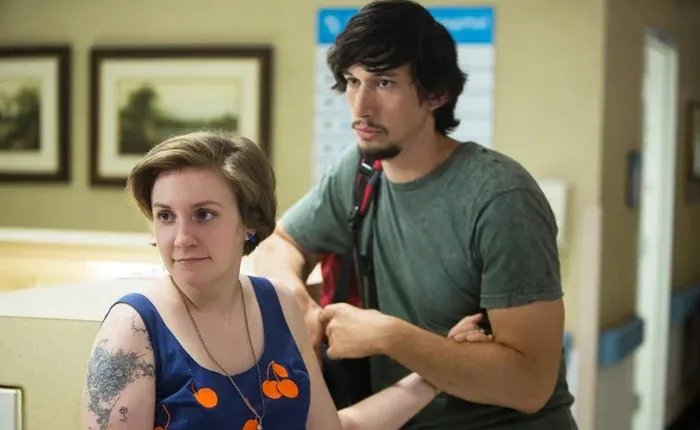
Dunham highlighted the connection between public perceptions and narratives of self-destruction as she explored how these themes were mirrored on screen. “What was also interesting was those dynamics, which were in life scary at times, lonely — those would be recreated on television and people thought they were funny and fun and at times sexy! I didn’t write Adam [Driver’s] character to be a romantic hero, and by the end, everyone was like, ‘I want a boyfriend like that. I want a boyfriend who throws two-by-fours and spanks me,’ and that is *not* what I was going for,” she said. “But it was certainly a lesson in: What we desire cannot be untangled from what we have been through and what we fear.”
In the dramedy, which centers on a group of privileged, often self-absorbed friends in their 20s navigating life in New York City, Driver played the on-again, off-again love interest of Hannah Horvath, portrayed by Dunham.
Reflecting on the show’s creation, Dunham stated, “That was all of our first job. So I wouldn’t presume to know how anyone — I wouldn’t say that *Girls* would be a roadmap for how anyone behaved anywhere else. It was very, like, ‘Seven strangers sent to live in a house in Seattle. What’s gonna happen?’”
She further expressed admiration for Driver’s talent, commenting, “One thing that’s miraculous is, no one dated and no one punched each other. In a way, we did the best you possibly could, and always, and I hope I portray this in the book, Adam is a meticulous artist and where he has to go to get there is secondary, to me, to where he gets. I love watching him; I learned more from him than anyone I’ve ever stood across from on camera.”
Although *Girls* typically attracted fewer than a million viewers per episode, its debut in 2012 generated significant conversation, leading to both critique and acclaim. The series was nominated for 19 Emmy Awards and secured two wins, solidifying its status as a landmark program in television history.