

Ken Kwapis and the Stars of ‘We Are The Shaggs’ Share Insights on the Legacy of an Unlikely Rock Cult Band at SXSW
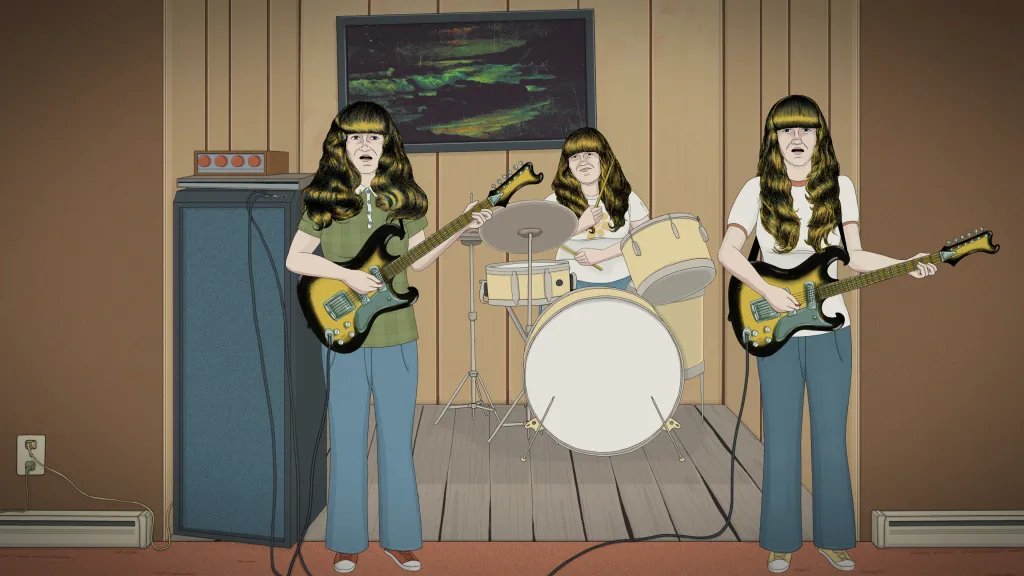
Despite their unconventional journey, The Shaggs have carved out a unique place in music history. The band’s sole album, Philosophy of the World, was released in 1969, funded by their father, Austin Wiggin. He believed a prophecy from his mother, a palm reader, that he would marry a strawberry blonde and father three daughters who would form a successful band. This belief prompted him to encourage his daughters—Dot, Betty, and Helen—to pursue music, despite the unconventional nature of their sound.
Tragically, Austin passed away in 1975, unaware of the unusual path his daughters would take. Upon its release, The Shaggs’ album was ahead of its time, characterized by a lo-fi, surf-guitar sound. However, when reissued in 1980, it faced harsh criticism in an industry moving towards polished pop. The album featured titles such as “Who Are Parents” and “My Pal Foot Foot,” which echoed the innocence of the girls’ straightforward yet quirky songwriting style.
Watch on Deadline
In Ken Kwapis’ documentary, We Are The Shaggs, the sisters reflect on their experience with the album and its negative reviews, still finding it challenging to laugh about the critiques. However, they gained unexpected support from notable figures such as Frank Zappa, who supposedly declared them “Better than The Beatles,” adding a level of credibility that they still find hard to accept.
Despite being criticized as a novelty act, The Shaggs’ raw, sincere music gained respect over the years, particularly among musicians seeking authenticity in an era dominated by commercial success. This shift in musical appreciation in the 1990s, aided by advocates like Kurt Cobain, contributed to the band’s lasting impact.
The world premiere of We Are the Shaggs took place at SXSW, where Dot and Betty were also interviewed. During the discussion, Kwapis recounted his first encounter with Philosophy of the World while a film student in the early ’80s. Purchases were often driven by cover art—Kwapis was no exception. “I bought it solely because of the cover. I thought, ‘What? Who are these girls?’” he said. Initially mystified by their music, he grew increasingly fascinated over time.
As the conversation evolved, it became clear that both sisters were apprehensive yet supportive of the documentary project. “No, I didn’t need any persuading,” Dot explained. Meanwhile, Betty described her initial uncertainty but ultimately agreed. The candid interview style illuminated the sisters’ personalities—similar yet distinctly different—reflecting the essence that has kept their music resonant with audiences.
In discussing their music influences, Dot cited The Beatles and other pop bands of their time. Betty also revealed her fondness for Dino, Desi & Billy, further illustrating the eclectic mix that shaped The Shaggs’ unique sound.
The documentary touches on the mystery surrounding the missing copies of their album, revealing that some were discovered years later in a forgotten basement. Similarly, the sisters reflected on how they didn’t initially realize the extent of their fan base until a performance with NRBQ in 1999, when they were taken aback by the support they received from across the country and internationally.
Dot and Betty reflected on their past experiences, acknowledging both the positive and negative feedback they have received. While Dot preferred to write lyrics, she also engaged deeply in the creative process, supported by their father’s strict but hands-off approach to songwriting. Despite overwhelming critique during their initial release, Dot expressed gratitude for the devoted followers who have emerged over the years.
Reflecting on the overall message of the documentary, Dot emphasized the importance of honesty, while Betty encouraged pursuing one’s passion regardless of external opinions. As The Shaggs continue to resonate with new generations, their unique story underscores a message of authenticity and creative resilience.