
Juliette Binoche on the Role of Intimacy Coordinators and the Importance of Comfort Zones in Acting
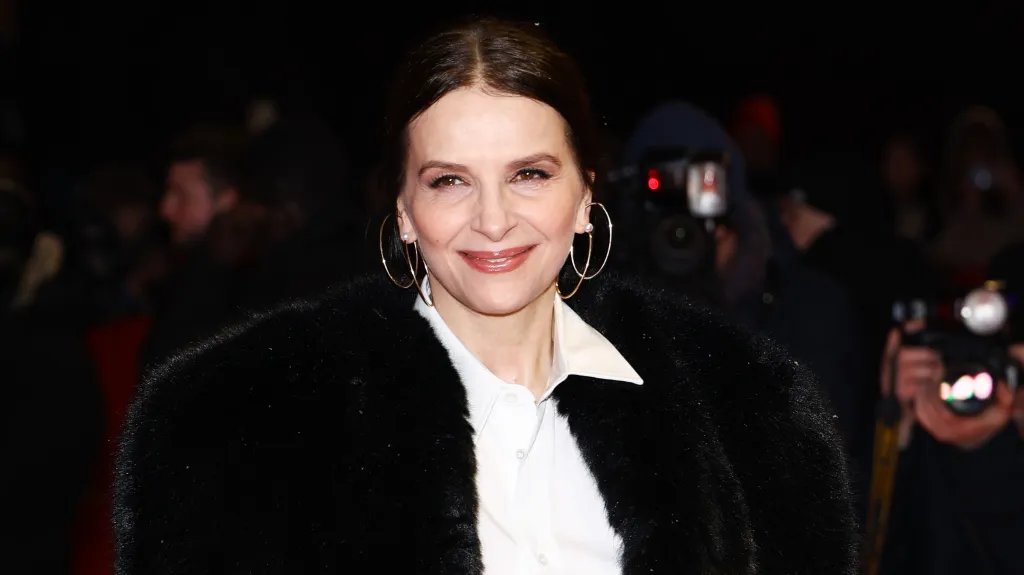
Oscar-winning actress Juliette Binoche recently expressed her views on the role of intimacy coordinators in film, suggesting that while they can be beneficial, they are not the only factor in delivering a compelling performance.
In an interview with The Guardian coinciding with the release of her documentary In-I In Motion, Binoche addressed the evolving landscape of intimacy on screen. She remarked, "I’ve been approached about that," referencing her experiences with the role, before adding with an eye roll, “The vocabulary is all: ‘Are you agreeing that he touches this?’ The body becomes a puzzle!” While she acknowledges the utility of safeguards for less experienced actresses, Binoche expressed her satisfaction with the intuitive method adopted in her documentary. "Our film goes against what is being said today," she stated. “And I like it!”
Binoche, who will soon appear in Merci Charlotte, elaborated on her perspective: “It’s not as simple as having an intimacy coordinator on set. When you’re in a love scene it needs to come from the heart, the guts, the need. And so if you’re thinking of the movement you’re going to do and not of the feeling, you’re in a bad situation.” She emphasized the importance of stepping outside of one’s comfort zone while portraying intimacy, warning that failing to do so can lead to a lack of authenticity in depicting love on screen.
Her statements contribute to a broader discussion among actors — both seasoned and emerging — regarding the role of intimacy coordinators. This position gained prominence following the #MeToo movement, which highlighted numerous incidents of on-set impropriety. Celebrities like Florence Pugh, Dakota Johnson, Jennifer Lawrence, and Kate Winslet have also shared their thoughts on the evolving role.
Additionally, Binoche addressed another pressing topic in Hollywood: the implications of artificial intelligence (AI) in the industry. "I’m not thinking about it too much," she noted. "They were saying that painting was going to disappear because we had cameras, or that theater was going to die when cinema arrived. So I don’t think you should be worried. It’s called artificial intelligence. It’s not spiritual intelligence or human intelligence."