
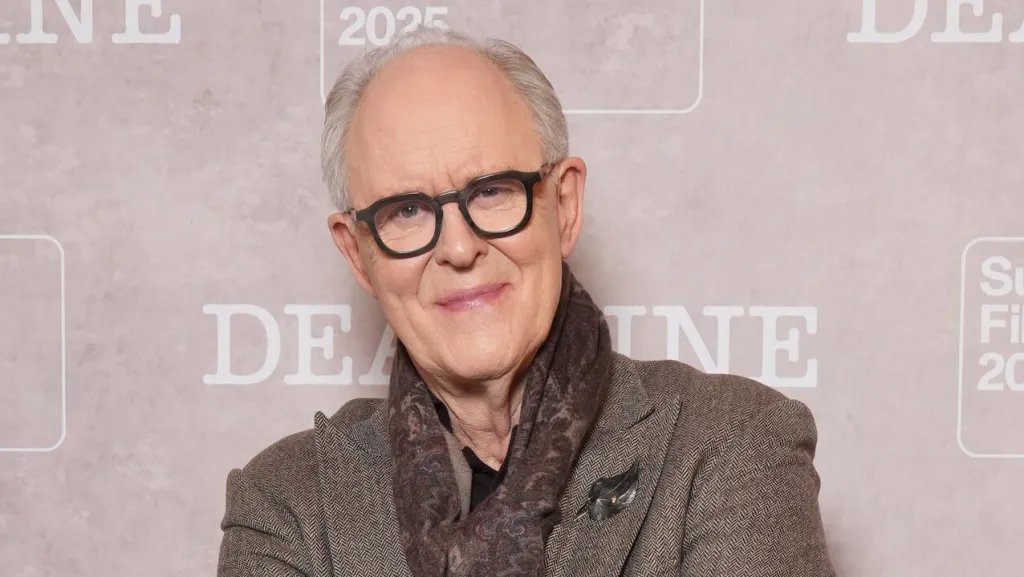
John Lithgow Thought About Leaving ‘Harry Potter’ Because of J.K. Rowling’s Views on Trans Issues
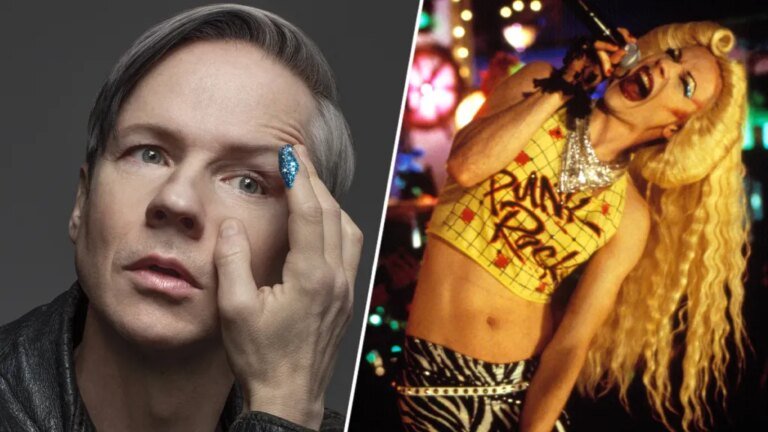
As HBO’s highly anticipated Harry Potter series approaches its debut, the production is already facing significant backlash. One of its stars, John Lithgow, has publicly addressed the controversy surrounding the show and its connection to author J.K. Rowling.
Lithgow, who has been cast as Albus Dumbledore, clarified in an interview with The New York Times that he has never met Rowling and does not support her anti-transgender views, which have been a point of contention during the show’s development. He emphasized his belief that the core messages of the Harry Potter books are “clearly on the side of the angels, against intolerance and bigotry.”
The actor’s comments come in the wake of criticism from his co-star, non-binary performer Aud Mason-Hyde, who described the casting decision as “vaguely hurtful.” Mason-Hyde noted in a separate interview with OUT that the moment was “definitely difficult” and expressed that while Lithgow’s reasoning may be understandable, the decision to cast him as Dumbledore felt disconcerting.
Lithgow acknowledged the ongoing discussions surrounding his role, stating, “every interview I will ever do for the rest of my life this will come up.”
Last April, Lithgow was officially cast as Dumbledore in the upcoming series, which is helmed by writer and showrunner Francesca Gardiner, alongside executive producer Mark Mylod, who will also direct several episodes. The adaptation takes place amid a backdrop of continued fallout from Rowling’s controversial views on transgender rights, which have drawn criticism from fans and industry peers, including former franchise director Christopher Columbus.
Rowling recently celebrated a UK Supreme Court ruling that denied trans women legal recognition as women, further escalating the debate on trans rights. More than 400 individuals, including actor Paapa Essiedu, who is set to portray Professor Snape in the series, have signed a letter urging the film and television industry to take meaningful action on these issues.