
How the Grammys Reflect on Our Musical History
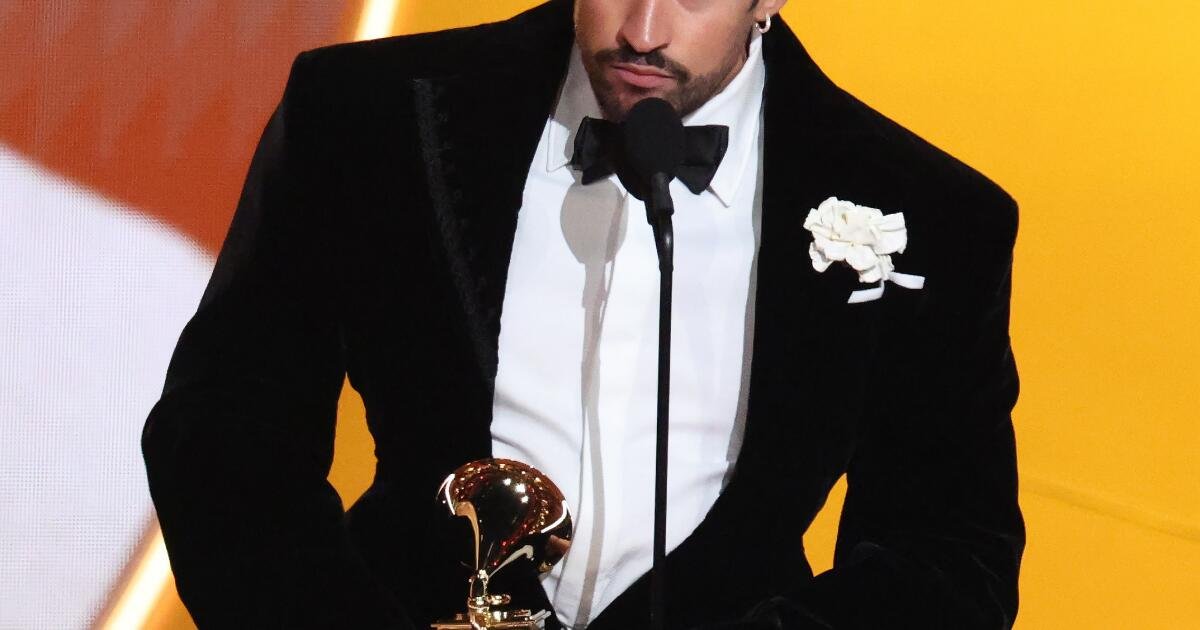
History was made in several ways at the 68th Grammy Awards held on Sunday night. Bad Bunny’s “Debí Tirar Más Fotos” became the first Spanish-language album to win the prestigious album of the year award. Kendrick Lamar and SZA’s “Luther” took home the record of the year honor, marking Lamar as the most awarded rapper in Grammy history and making him only the fourth artist to win back-to-back titles in this category. Billie Eilish and her brother, Finneas O’Connell, secured song of the year for “Wildflower,” making them the only songwriters to achieve three wins in this category.
The ceremony underscored the diversity that the Recording Academy, comprised of 15,000 voting members, has been celebrating in recent years. While new faces are increasingly recognized, the music being honored still reflects many of the Academy’s longstanding values, balancing historical acknowledgment with contemporary achievement.
The song “Luther,” a soulful hip-hop slow jam, samples Luther Vandross and Cheryl Lynn’s 1982 rendition of a love song originally recorded by Marvin Gaye and Tammi Terrell in the late 1960s. This intricate homage aims to weave together musical legacies across generations. Producer Sounwave, while accepting the award with Lamar, SZA, and other collaborators at the Crypto.com Arena, emphasized the importance of Vandross, stating, “First and foremost, let’s give a shout-out to the late, great Luther Vandross.” Lamar expressed his gratitude, saying, “This is what music is about,” and noted the privilege of using Vandross’ music while adhering to the estate’s request to avoid explicit language.
Olivia Dean, a 26-year-old British singer, was named best new artist for her hit “The Art of Loving,” an album that pays tribute to the pop-soul sounds of Diana Ross and Whitney Houston. Bad Bunny, who has risen to fame at the forefront of reggaeton and Latin trap, achieved Grammy success with “Debí Tirar Más Fotos,” a meticulously arranged tribute to Puerto Rico. This album incorporates traditional elements such as bomba and plena, showcasing a more organic sound compared to his previous Grammy-nominated work, “Un Verano Sin Ti.”
Bad Bunny’s increased visibility as a celebrity coupled with his Grammy win positions him well for his upcoming halftime performance at Super Bowl LX. His album resonates with traditional influences, much like Beyoncé’s “Cowboy Carter,” which earned her the album of the year win in 2025 after several notable losses.
Although Eilish’s “Wildflower” is beautifully crafted, some critics argue that her song of the year win reflects a lack of imagination among voters who overlooked the spirited exuberance of “Golden” from Netflix’s “KPop Demon Hunters.” Despite this, “Golden” did win for the best song written for visual media, marking a historic moment as the first K-pop song to receive a Grammy.
The ceremony also featured artists using their platforms to address pressing social issues. Bad Bunny made a poignant statement while accepting the award for música urbana album, saying, “Before I say thanks to God, I’m gonna say: ICE out. We’re not savage, we’re not animals, we’re not aliens. We are humans, and we are Americans.” Eilish added, “No one is illegal on stolen land.” Dean remarked on her heritage, stating that her immigrant grandparents deserve celebration.
The evening offered a blend of personal and impactful performances, including Lola Young’s “Messy,” which won for pop solo performance, amid competition from artists like Lady Gaga and Sabrina Carpenter. Young embraced the moment, humorously admitting to the audience, “I don’t know what I’m gonna say because I don’t have any speech prepared.”
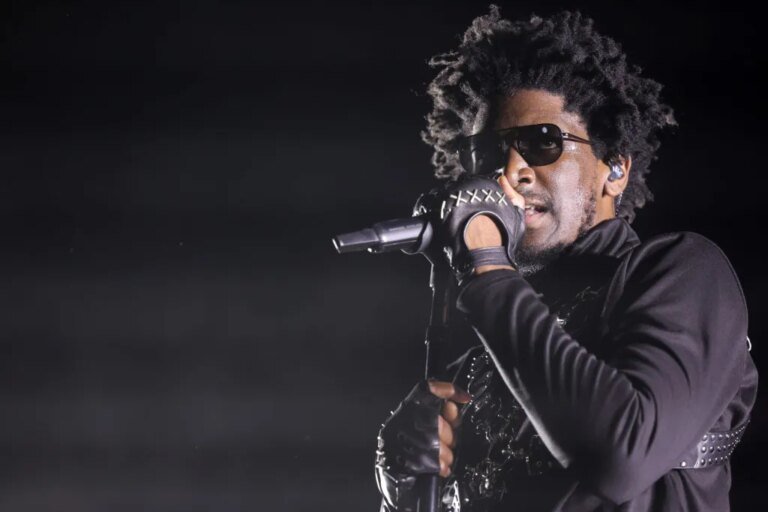
A tribute to late R&B icons Roberta Flack and D’Angelo, however, fell short of expectations. Lauryn Hill, as bandleader, rushed through their songs, failing to give them the time they deserved. In contrast, Justin Bieber delivered a striking performance of his song “Yukon,” appearing in boxer shorts and socks, accompanied solely by his electric guitar.
This performance was part of Bieber’s “Swag” album, released last year, which reflects themes of self-forgiveness and personal growth. His rendition of “Yukon” resonated with the audience as he navigated the complexities of life outside the pressures of celebrity.