

How Project Hail Mary Brought Harry Styles’ Sign of the Times and a Beatles Song Together at the Last Minute
Trending on Billboard
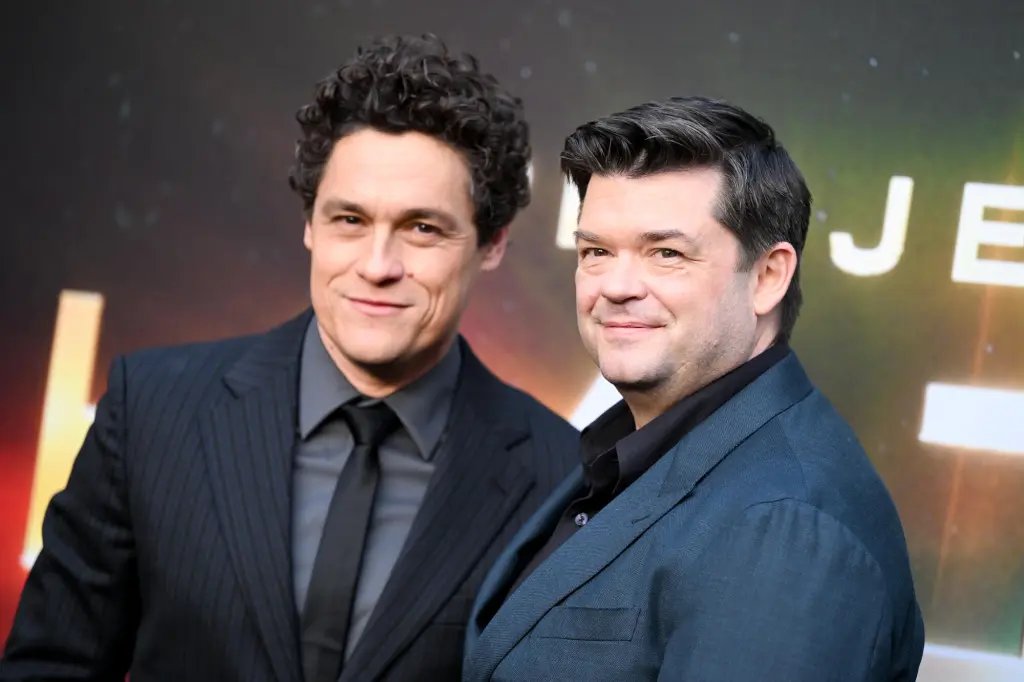
Director Chris Miller is currently enjoying a family vacation in the Dolomites while reflecting on the success of his film, Project Hail Mary, co-directed with Phil Lord.
Explore
Harry Styles
The Beatles
See latest videos, charts and news
Featuring Ryan Gosling, Project Hail Mary has emerged as an unexpected box office success, grossing $300 million globally. This remarkable achievement stands out, especially for a film that is neither a sequel nor based on existing intellectual property. Industry experts cite Oppenheimer as another recent example of such a phenomenon.
“When you’re doing something that’s a big risk at a time when things are not looking great and it works, it’s very gratifying,” Miller told Billboard via Zoom, reflecting on both the film and its commercial performance. “In a way, it was its own Hail Mary.”
The film combines an emotional narrative, inspired by a novel by Andy Weir, with striking visual effects. Its soundtrack, featuring both eclectic needle drops and an innovative score, enhances the atmosphere.
“We had a few ideas when it came to the music,” Miller shared. “One of them was to have music from all over the world because we wanted it to feel like a global mission with everyone rooting Ryan’s character on.” This ambition led to unique musical selections, including Mercedes Sosa’s “Gracias a la Vida” and “Po Atarau” from the Turakina Māori Girls’ Choir. Music supervisor Kier Lehman helped guide these choices. “We tried using more modern tracks in it, but it didn’t ever want to stick,” Miller added.
A standout moment occurs when Sandra Hüller, portraying a stoic leader, delivers a haunting rendition of Harry Styles’ “Sign of the Times” during a karaoke scene. This idea stemmed from a location scout visit to the USS Abraham Lincoln, where Miller and Lord noted the ship’s unique social spaces. “We were thinking, this is also a movie about social anxiety and the way our connections with each other become so valuable,” Lord recalled.
Initially, Hüller wasn’t meant to sing in the scene, but Gosling later recounted hearing her voice before filming. “I heard the voice of an angel and I was like, ‘What is that?’” he said. “I went down the hallway and said, ‘You can sing? Please sing in the movie.’ And she was like, ‘I’ll think about it.’” Eventually, Hüller agreed to perform, but insisted on choosing the song herself, which turned out to be “Sign of the Times.”
With limited time left for filming, the production faced the challenge of clearing the use of the megahit. Lehman explained that they had to act quickly, contacting Universal Music Publishing shortly before the scene was shot. Thanks to producer Amy Pascal and Universal Music Publishing’s Jody Gerson, they managed to clear the song just in time.
As Lehman noted, the team had spent extensive time preparing for the scene, and the surprise element for the cast made Hüller’s performance all the more impactful. “We also didn’t tell anybody there what she was going to do, so those reactions are genuine reactions from the cast,” stated Lord.
As Gosling mentioned, “It became the anthem of the film,” and the timing was serendipitous, coinciding with Styles’ ongoing promotion of his album, Kiss All The Time. Disco, Occasionally. “I think it comes from leading with the creative first and not being afraid to take a chance on the right song,” Lehman explained.
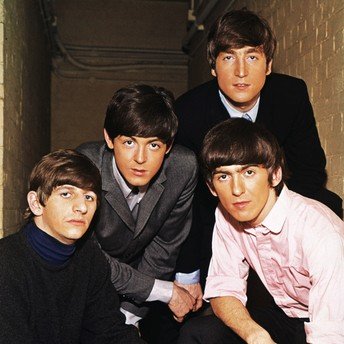
The filmmakers also sought to incorporate Beatles songs, given the novel’s numerous references to the band. After exploring various covers, they settled on two classics: “Don’t Let Me Down” for the end credits and “Two of Us” during a pivotal scene. Lehman described the process as intricate, detailing the need for substantial information from the Beatles’ representatives to secure the rights.
Ultimately, providing the final cut of the scenes proved effective in acquiring approval for the desired songs. Miller noted that these selections not only fit the narrative but also added layers to the characters and their journeys.
The film’s score, composed by Daniel Pemberton, enriches the storytelling. Pemberton recruited actual schoolchildren to record at Abbey Road, creating a unique soundscape. “There are so many unique sounds,” he said, reflecting on the experimental methods employed.
Lord emphasized the importance of music in maintaining audience engagement. “A big part of that is having beautiful music in it,” he stated. “Over time, I think we managed to find the right rhythm to keep everyone locked in, and that’s why you’re finding people leave the theater, telling their friends and wanting to see it again.”