
How an AI Twinning App is Shaping the Conversation Between Technology and Humanity
New Platform Twinnin Launches Amid Controversy in UK Film and TV Industry
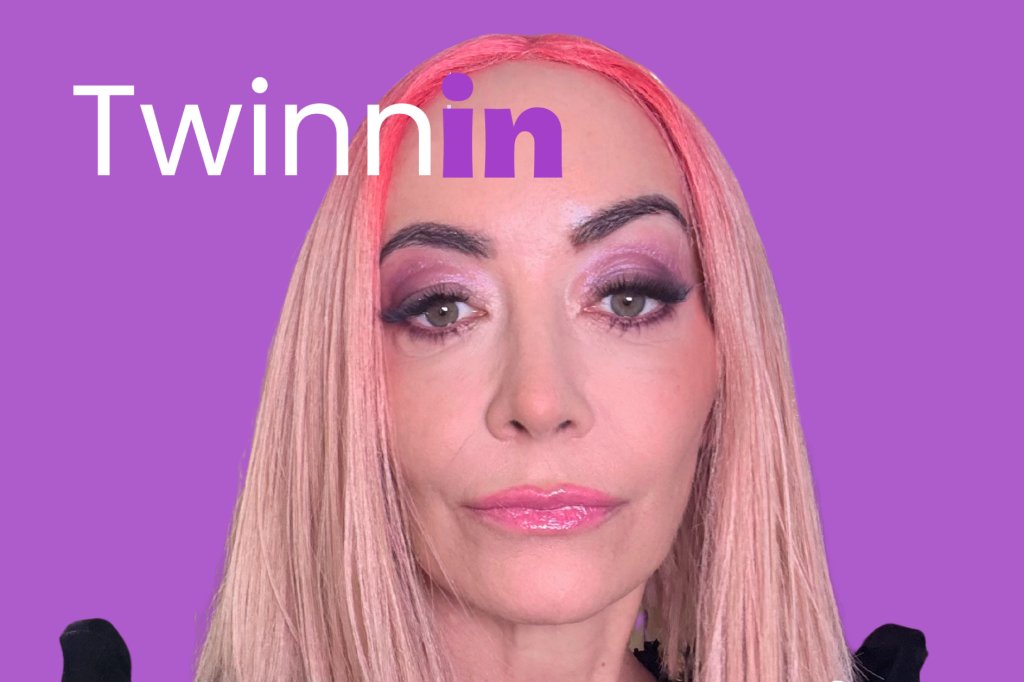
A new platform designed to secure and monetize actors’ identities in the age of artificial intelligence officially launched today, igniting discussions within the UK film and television sector. Twinnin, which has garnered backing from Google and Nvidia, aims to address concerns about the use of digital likenesses.
Twinnin uses technology to create a digital clone of an actor’s face, establishing what it terms an “identity record” safeguarded by “immutable provenance technology.” These likenesses can be licensed to studios or brands for use in various productions. The platform is operated by AI Kat, a tech company backed by significant venture capital funding. According to Twinnin founder Katrien Grobler, both Google and Nvidia have reviewed and approved the platform. Actors can subscribe for $14.99 annually to feature their digital likeness on the app, while studios and brands can choose from several subscription tiers, with one option costing up to $1,200 per month.
Grobler emphasized that Twinnin does not inhibit actors from securing work; rather, she believes it “bridges the gap between AI and human” identities while protecting performers’ rights. “We are allowing you to own your identity in the age of AI,” she stated. “The rules of engagement have changed, and as they change, humans need to be more assertive about their likeness.”
She further asserted that Twinnin serves as legal documentation, proving that actors have licensed their likenesses. Grobler’s journey to launch began over a year ago and culminated in just three months of development after her epiphany during the holiday season. “Like Uber and Spotify, I think this is something that people didn’t know until they needed it. We are getting ahead of the curve,” she remarked.
As Twinnin gained attention leading up to its launch, it became a focal point of debate among actors, agents, producers, and union officials. One particular agency, Lacara, had promoted Twinnin to unrepresented actors, raising eyebrows given its focus on child actors.
The Agents of Young Performers Association (AYPA) expressed significant concerns regarding the cloning of likenesses for minors. They highlighted serious ethical questions about consent and potential risks associated with the misuse or manipulation of a child’s image. “There is also the question of licensing and compliance with legislation protecting children at work,” an AYPA statement noted, urging parents to refrain from enrolling their children in such initiatives.
In response, Grobler committed to stringent guardrails for child actors, stating that only those who subscribe to the enterprise tier will gain access to under-18 likenesses. “Nothing around children will be automated, and we will never show a child on our platform, only avatars,” she reassured.
The real test for Grobler and Twinnin will be navigating skepticism and concerns as discussions about AI in the film and television industries continue to evolve. Meanwhile, industry unions like Equity remain focused on securing effective regulations and rights for performers. Equity has criticized the slow pace of government reforms while actively pursuing new personality rights for actors.
A spokesperson for Equity remarked, “While governments and producers stall, it is interesting to see companies emerging to meet the demand for protection, rights, transparency, and consent for online use.” The emergence of platforms like Twinnin signifies a shifting landscape as the film industry adapts to emerging technology and its implications for performers’ rights and identities.