

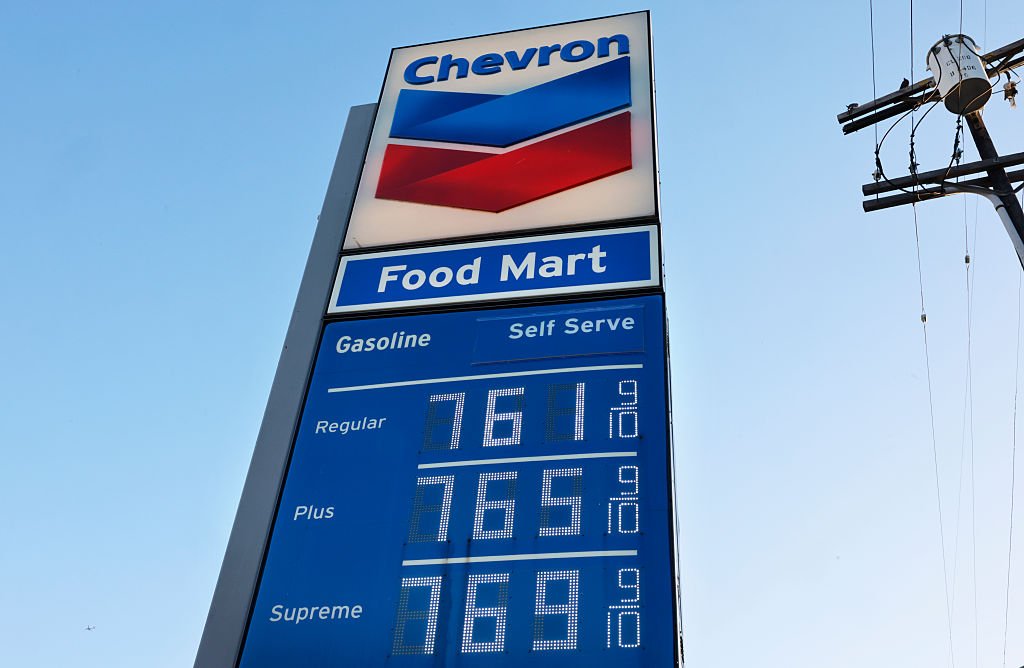
Gas Prices Soar in Southern California Due to Middle East Conflict
Soaring Gas Prices Linked to Growing U.S.-Iran Tensions
Gasoline prices in the United States have spiked dramatically in recent days, with Los Angeles County experiencing one of its largest single-day increases since 2012. As the U.S. military conflict in the Middle East escalates, the impact on global energy supplies has become increasingly evident.
On Saturday, the average price for a gallon of regular gas in Los Angeles County rose by 17.5 cents, reaching $5.165. This surge mirrors nearly the entire increase of 19.2 cents recorded in October 2012. Orange County followed close behind, seeing an average price jump of 17.7 cents to $5.153.
The price hikes align with a joint U.S.-Israel attack on Iran on February 28, which has led to severe disruptions in oil production and supply chains. The ongoing conflict has caused approximately 20 million barrels of oil to be stranded daily, significantly impacting the global market.
Experts caution that the situation remains dire. "We’re facing an ‘extreme deficit’ as shipping is bottlenecked in the Strait of Hormuz, and domestic production cannot quickly compensate for international losses," said an industry insider. American crude oil prices soared to $90.90 on Friday, marking a 36% rise within just a week.
The conflict has not only blocked vital shipping lanes but has also led to retaliatory strikes by Iran on Saudi and Qatari oil facilities, withdrawing an additional 9 million barrels of oil per day and halting 20% of the world’s liquefied natural gas supply.
In context, recent figures from AAA and the Oil Price Information Service reveal the average fuel prices per gallon across various counties in Southern California as of Saturday:
- Los Angeles: $5.165
- Orange: $5.153
- San Diego: $5.044
- Riverside: $5.050
- San Bernardino: $5.040
- Ventura: $5.120
As for the future, uncertainty looms. "It’s unknown how long these price spikes will last or how high prices will climb — that depends on how long oil supplies remain disrupted," noted Kandace Redd, a senior public affairs specialist at the Automobile Club of Southern California. Al Salazar, head of macro oil and gas research at Enverus, remarked, “The more news we receive, the more it seems like this situation will persist for a long time.”
Consumer sentiment also reflects skepticism. Vermont resident Mark Doran expressed doubt about a swift resolution, stating, "I don’t think there’s been an end in sight to any Middle East conflict that’s been started by us, so the fact that they say that there’s going to be an end that quickly is not believable."
Looking ahead, President Donald Trump indicated that military operations against Iran might last four to five weeks, though he affirmed the U.S. has the capability to extend beyond that timeframe. Meanwhile, as refineries begin transitioning to more expensive summer-blend gasoline, consumers can expect continued volatility in fuel prices.