

Gas Prices in Southern California Reach Highest Levels Since Early 2024: A County-by-County Overview
Gas Prices Surge to Record Highs in Southern California
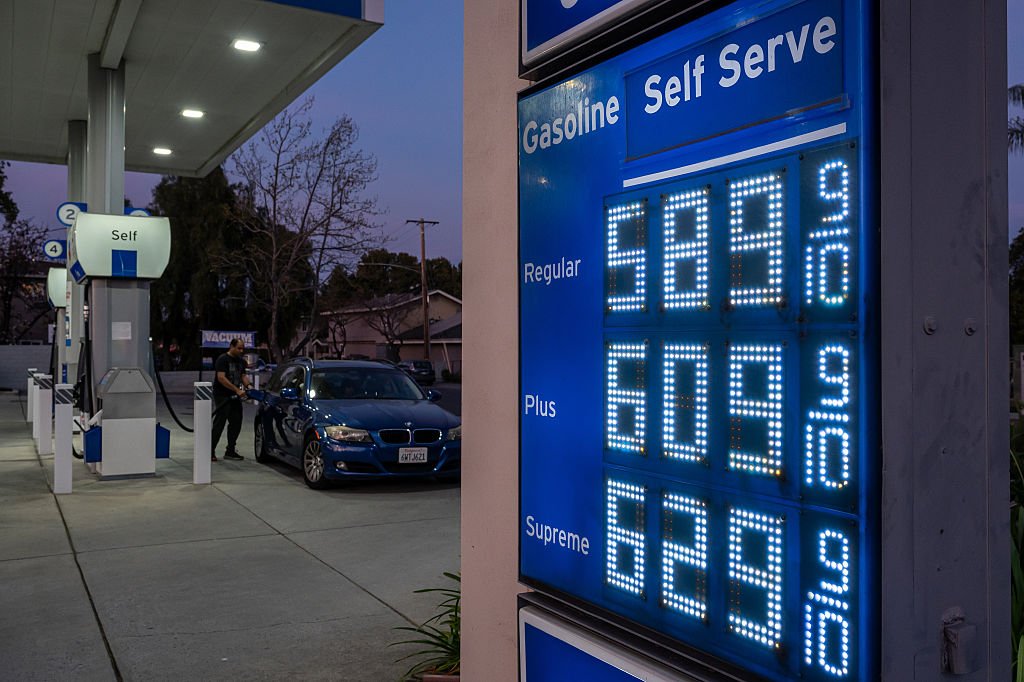
LOS ANGELES – Gas prices in Southern California have reached their highest levels since early 2024, impacting drivers across the region. As of Wednesday, Los Angeles County reported an average price of $5.376 per gallon, a new peak in a troubling upward trend for consumers.
All major counties in Southern California, including Orange, Ventura, San Bernardino, and Riverside, have now seen average prices exceed the $5 mark. This surge is attributed to a volatile mix of global oil market dynamics and local supply issues, particularly as geopolitical tensions in the Middle East escalate and key refineries in California prepare for closure.
Experts indicate that the recent price spike can largely be traced to two critical factors: increasing instability linked to the ongoing conflict with Iran, which has pushed crude oil prices closer to $100 per barrel, and significant drops in refining capacity within California. The impending shutdowns of the Phillips 66 refinery in Los Angeles and the Valero facility in Benicia are anticipated to exacerbate supply constraints.
"In just a week, consumers have seen gasoline prices surge at one of the fastest rates in years," noted Patrick De Haan, head of petroleum analysis at GasBuddy. Analysts from AAA have remarked that while these price increases are notable, they still fall approximately $1.12 below the historic highs of over $6.40 recorded in October 2022.
In the current climate, California’s unique regulations regarding fuel blends make it especially vulnerable to price fluctuations. As local production dwindles, prices at the pump have risen sharply, presenting further challenges for drivers as summer approaches.
Looking ahead, analysts warn that if geopolitical tensions remain high or if further supply disruptions occur, averages may approach the $6 mark before the peak summer travel season. State legislators face mounting pressure to address the refining gap to prevent additional price shocks in the months to come.