

Feathers are Back in Style: Embrace This Spring’s Trend for Your Wardrobe
Feathers graced the runways of recent fashion weeks, showcasing a resurgence of luxury and creativity across major global styles. At New York Fashion Week, Brandon Maxwell featured a striking beige car coat adorned with black feathers, while Prabal Gurung wowed audiences with a strapless gown draped in delicate white plumes.
The trend continued to thrive in London, where Roksanda’s multi-colored plumage evening gown and Oscar Ouyang’s feather-stuffed Converse high tops made bold statements. In Paris, designers exhibited a harmonious display of feather elements, as seen in Pierpaolo Piccioli’s Balenciaga collection, which included a feather-laden maxi skirt and boxy dresses with feather trims.
At Chanel, Matthieu Blazy employed the expertise of the atelier Maison Lemarié to create feathered Camellias, headpieces, and skirts. Victoria Beckham showcased smaller feathered dresses, while minimalist brand The Row introduced mid-length skirts with feather embellishments. Eco-conscious designer Stella McCartney contributed by launching the world’s first plant-based alternative to traditional feathers.
Prabal Gurung at New York Fashion Week in September 2025.
Taylor Hill/WireImage/Getty Images

Fforme at New York Fashion Week in September 2025.
Victor Virgile/Gamma-Rapho/Getty Images

Feather-trimmed coats, earrings, skirts and headpieces at Matthieu Blazy’s debut for Chanel in Paris.
Stephane Cardinale/Corbis/Getty Images
This season’s runway offerings revealed an overwhelming presence of feathers, sparking curiosity about their historical significance as a symbol of luxury. Plumage dates back to ancient Egypt, where ostrich feathers adorned fans and appeared in hieroglyphics. These elements also found their way into Babylonian and Assyrian art, often depicting deities or embellishing royal crowns.
By the mid-1500s, feathers became a fashionable accessory in the UK. Dr. Elisabeth Gernerd, a fashion historian, noted this shift towards wearing feathers for stylistic reasons. While commonly utilized, working-class individuals often repurposed feathers for practical uses like making brooms or bedding.

Jessie Buckley wore a feathered evening gown from Roksanda at the BFI London Film Festival in October.
Karwai Tang/WireImage/Getty Images
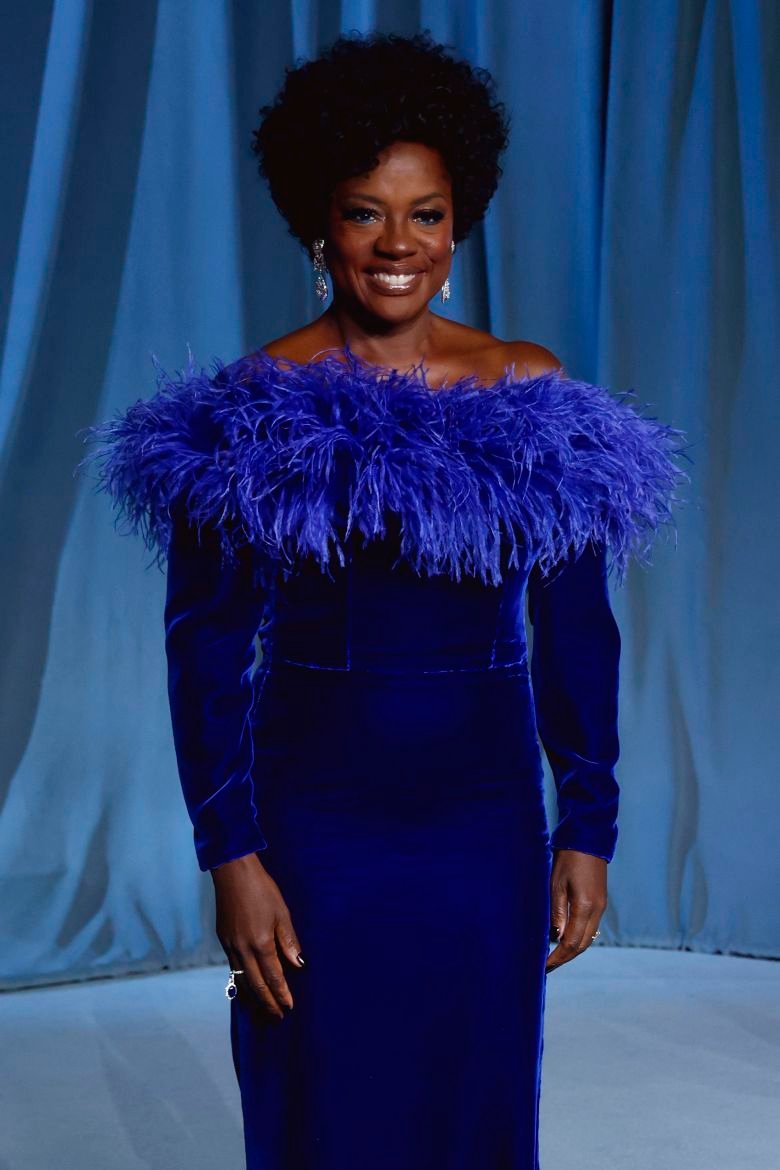
Viola Davis in a feather-trimmed velvet gown from Gucci at the Academy Museum Gala.
Taylor Hill/FilmMagic/Getty Images
Marie Antoinette, an 18th-century fashion icon, played a pivotal role in popularizing extravagant feathered hairstyles. Her opulent plumes, often ostrich feathers, drew public attention, especially when they caught fire from nearby candles. The 19th century marked the peak of a “feather craze” as the British Empire expanded, solidifying feathers’ association with luxury.
Birds of paradise and other exotic species were hunted and exported to Europe, where their feathers became symbols of wealth. “You wore something that traveled thousands of miles,” explained Gernerd, reflecting the growing influence of imperialism on fashion.
During the late 19th century, the feather trade escalated dramatically, endangering several species. The sinking of the Titanic in 1912 underscored its significance, as a shipment of ostrich feathers on board was valued at approximately $2.3 million today—comparable to diamonds.

In the late 19th century, entire bird skins were used to adorn hats.
Hulton Deutsch/Corbis/Getty Images
Opposition to this cruel trade arose as advocates like Harriet Hemenway and Minna B. Hall began campaigning against feather fashion in the early 20th century. Their efforts culminated in the founding of the Audubon Society in 1905 and subsequent laws, such as the Migratory Bird Treaty Act of 1918, which sought to protect birds from exploitation.
Feathers as the New Fur?
Today, many luxury designers have eliminated the use of fur from their collections, influenced by a wave of animal welfare advocacy. However, as brands like Gucci and Chanel also embrace feathers, questions arise about the ethics behind this trend. Emma Håkansson, founder of the ethical fashion group Collective Fashion Justice, raises concern over the harvesting of ostrich feathers, emphasizing that it continues to harm animals.
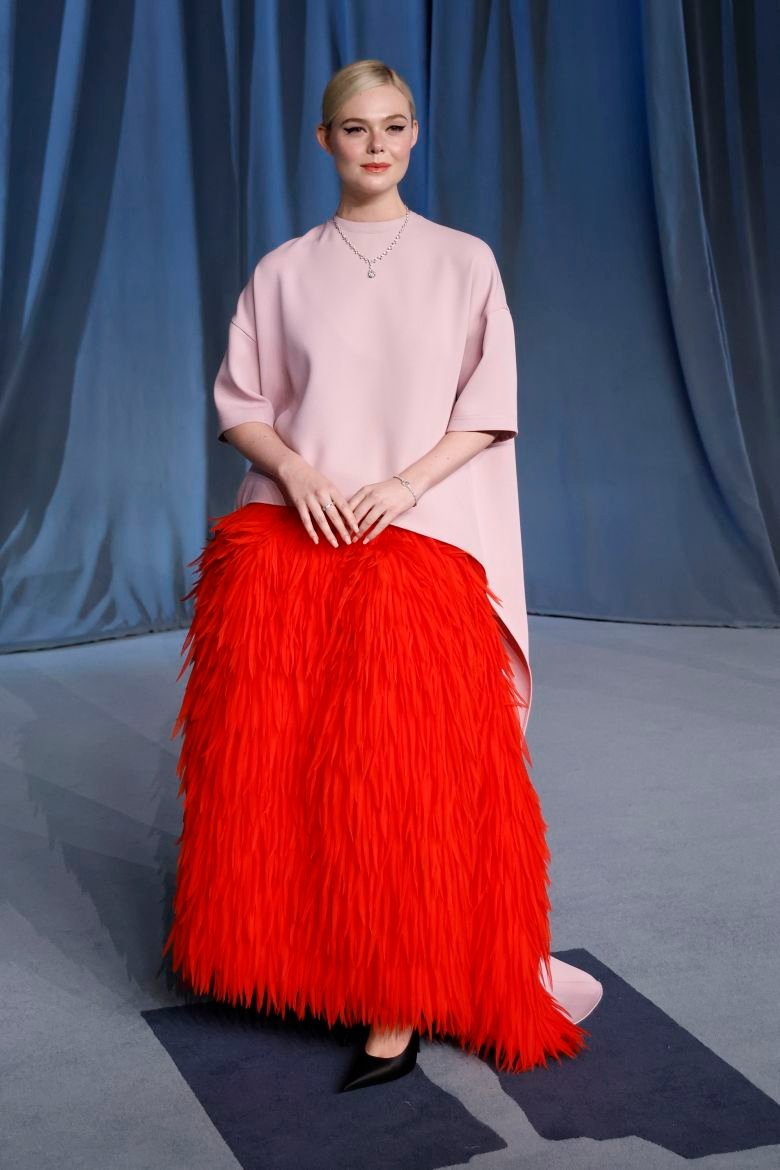
At the Academy Museum Gala, Elle Fanning arrived in a full feathered outfit by Balenciaga.
Taylor Hill/FilmMagic/Getty Images

Naomi Watts wore a feather-trimmed dress by Balenciaga at the Academy Museum Gala.
Amy Sussman/Getty Images
Håkansson’s organization succeeded in restricting the use of wildlife materials at Copenhagen Fashion Week and is lobbying similar bans in major fashion capitals. She believes that change must accompany innovation to ensure ethical and sustainable fashion practices. Stella McCartney’s recent introduction of plant-based “Fevvers,” inspired by ostrich plumes, represents a significant step towards an ethical alternative.

“Fevvers” at Stella McCartney, inspired by ostrich plumes but made from plant-based materials.
Victor Virgile/Gamma-Rapho/Getty Images
These innovations are essential in prompting discussions around material ethics within the fashion industry. Woollen and West aim to redefine the narrative around feathers, reclaiming an emblem of luxury while promoting sustainable practices. Håkansson remains optimistic that ethical fashion can coexist with innovation, ultimately fostering creativity in the industry.