Exploring the Real-Life Influences Behind the Avatar Franchise: Cultures, Events, and Spirituality That Shaped the Story
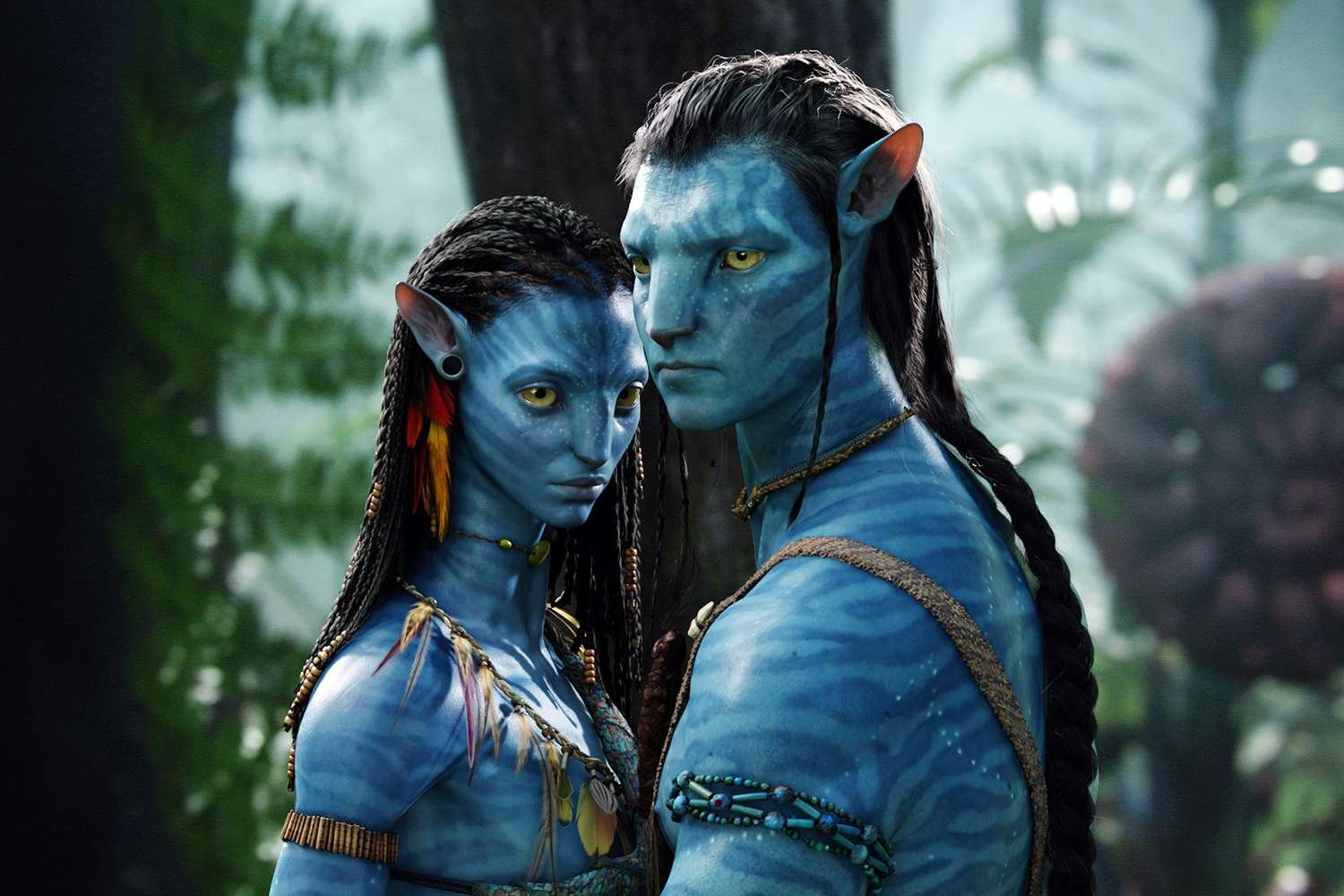
‘Avatar’.
Credit :
Moviestore/Shutterstock
The Avatar franchise, which explores a futuristic universe inhabited by the tall blue Na’vi, draws significant parallels to real-world events and cultures. Since its inception with the 2009 film Avatar, the series has resonated broadly, partly due to its complex narrative inspired by the historical context of colonialism.
In the original film, human character Jake Sully, portrayed by Sam Worthington, becomes part of the Na’vi world through “avatars” created to facilitate mining operations. However, as the story unfolds, the characters develop profound connections to the Na’vi, leading to themes of empathy and coexistence.
Director James Cameron remarked on the global appeal of Avatar, stating, "People are innately empathetic. … They innately want a connection to each other. They innately want beauty," emphasizing the film’s focus on positive values. "The films are successful in all markets everywhere, and so I think that’s empowering for us."
Historically, Cameron has indicated that European colonization most profoundly influenced the narrative of Avatar. In a 2012 court deposition, he described the film as a reimagining of the colonization of the Americas, stating, "Avatar is a science fiction retelling of the history of North and South America in the early colonial period." This allegorical representation links the Na’vi to indigenous peoples, highlighting their connection to the land and spiritual values.
The origin of the Na’vi characters is also steeped in cultural references. Cameron noted that the Na’vi were inspired by Hindu deities, traditionally depicted with blue skin, with the term "avatar" meaning “descent” in Sanskrit. This symbolism resonates through their role as guardians of their environment.
In creating the Na’vi language, Cameron collaborated with linguistics expert Paul Frommer from the University of Southern California. The language incorporates elements from Polynesian and other linguistic traditions, designed to provide authenticity and depth to the Na’vi culture. Cameron explained the challenges actors faced with the accent, particularly Zoe Saldaña, who helped establish the Na’vi dialect.
The design of Pandora, the world of Avatar, is also noteworthy. It features stunning landscapes inspired by global locations, particularly the karst limestone formations of China. Designer Dylan Cole highlighted how various natural landmarks informed the visual style, with a focus on achieving harmony between rock and foliage.
As the franchise progresses, Avatar: The Way of Water introduced the Metkayina tribe, drawing inspiration from real Indonesian cultures, including the Sama-Bajau, emphasizing the connection between oceanic life and indigenous customs. Cameron has indicated that several additional sequels are planned, aiming to continue exploring these cultural dialogues.
New characters, such as the Mangkwan clan, or Ash People, featured in the upcoming Avatar: Fire and Ash, represent a shift toward darker themes, prioritizing technology over spiritual values, further expanding the narrative’s complexity. Inspired by Cameron’s observations in Papua New Guinea, the clan embodies themes of generational trauma and cultural disconnection.
Overall, the Avatar franchise utilizes layers of real-world inspiration to craft rich narratives, encouraging audiences to reflect on issues of empathy, culture, and environmental stewardship within its fantastical context.