

Explore How Elsa Schiaparelli Changed the Fashion Game with Her Surrealist Designs
Fashion has long intertwined with the realm of art, as designers draw inspiration from the masterpieces of history. Many argue that the technical skill and avant-garde vision inherent in fashion place it on an equal footing with traditional art forms like painting and sculpture.
A significant exhibition at London’s Victoria and Albert Museum (V&A), titled “Schiaparelli: Fashion Becomes Art,” opens on Saturday, March 28. The show highlights the innovative work of the late Italian designer Elsa Schiaparelli, suggesting that her creations possess profound cultural significance. It poses an intriguing question: can wearing a striking or unconventional garment reshape our perceptions of beauty standards and the purpose of clothing?
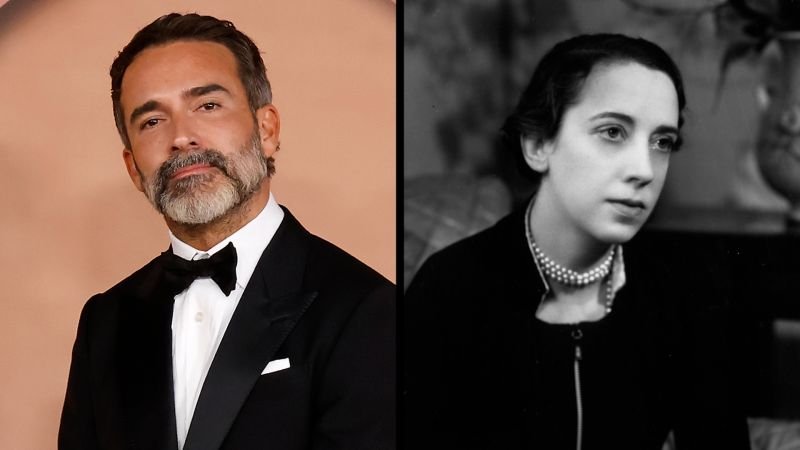
The answer is affirmative—an idea first championed by Schiaparelli during the early 20th century. Nearly a century later, her contemporary successor, Daniel Roseberry, now serves as creative director, merging bold design with the influence of celebrity to challenge conventional notions of female beauty and empowerment. The exhibition juxtaposes their work to illustrate how provocative style can flourish amid a more conservative cultural landscape.
“Elsa Schiaparelli was someone who surrounded herself with artists,” noted Sonnet Stanfill, the senior curator of fashion at the V&A. “It wasn’t just Schiaparelli appropriating Surrealist images and sticking them on her clothes. She was someone who was embedded in the creative process, and there was a true collaborative, creative exchange with these artists and creatives.”
Schiaparelli hailed from an aristocratic background in Rome and lacked formal training in fashion. Her designs often embraced shock value, a stark contrast to the more restrained aesthetics of contemporaries like Coco Chanel and Christian Dior. Known for her daring choices, including 1938 monkey fur boots, Schiaparelli approached fashion with a blend of humor and philosophical insight, asking provocative questions like: What if a shoe were a hat? What if a jacket inspired by the circus featured buttons shaped like horses?
Ariana Grande’s 2025 Oscars ball gown, currently on loan to the V&A Museum, is displayed in the exhibition.
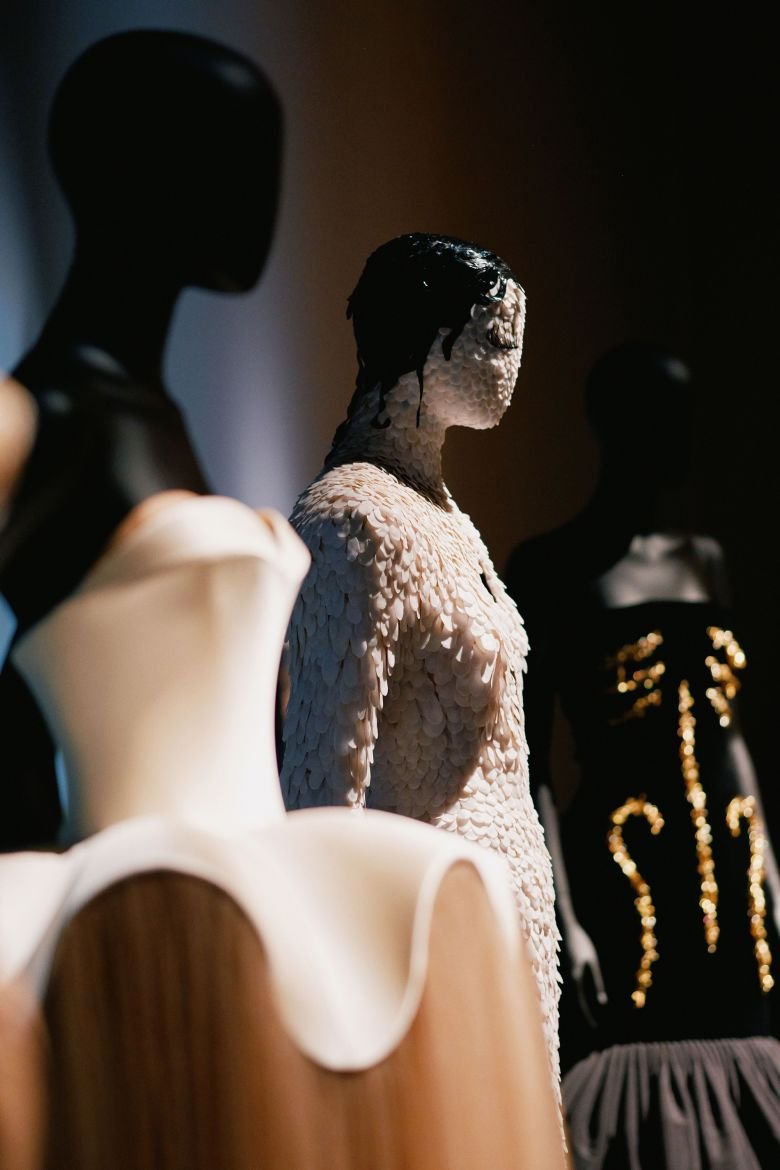
Designs by Schiaparelli’s current designer, Daniel Roseberry, are shown as well as pieces by the house’s late founder.
Schiaparelli’s garments resonated deeply within the cultural tumult of pre-World War II Europe, a time marked by both upheaval and traditionalist aesthetics in Paris. Roseberry has continued this tradition, as evidenced in the final room of the exhibition, which features his bold designs—such as a couture model holding a robot baby and a striking red gown with an intricately beaded bodice. These creations demonstrate how unexpected fashion can provoke thought and challenge cultural norms, elevating the dialogue surrounding what clothing can achieve.


