Ex-CNN Host Raises Concerns About Pro-Trump State Media Amid Paramount-WBD Merger; Noah Wyle and IATSE Chief Advocate for Federal Film/TV Tax Credit
Jim Acosta Warns Against Media Consolidation at Film Production Event
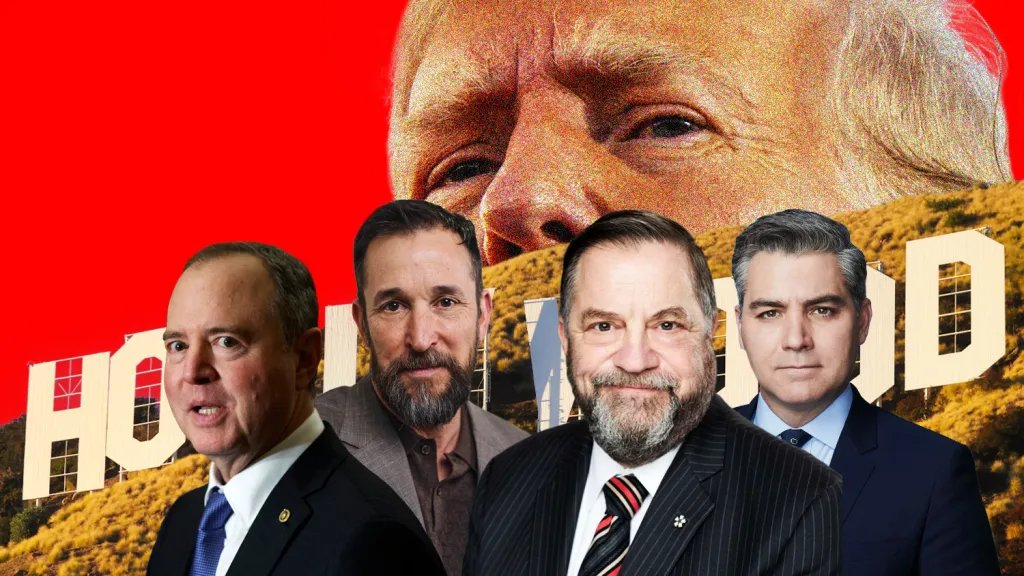
Former CNN White House Correspondent Jim Acosta raised alarms about the increasing concentration of media ownership during a recent event in Burbank, California. Speaking at Senator Adam Schiff’s Lights, Camera, Competition: Promoting American Film Production, Acosta described the current media landscape as “broken” and suggested that it poses a serious threat to democracy.
Acosta emphasized the urgent need to dismantle large media conglomerates, stating, “We need to talk about busting up big media. This is not America what we’re seeing now.” His remarks come amid concerns over Donald Trump’s criticisms of the press, which Acosta characterized as a direct “assault on our freedom of speech,” likening it to the paths taken by authoritarian regimes in Russia and China.
During his address, Acosta critiqued what he referred to as “partisan hacks” controlling major news networks like CBS, forecasting potential job losses and increased self-censorship within the industry. He underscored the importance of independent journalism and the pressing need for regulatory changes to protect it.
Acosta was joined at the event by industry figures, including The Pitt actor Noah Wyle and IATSE President Matthew Loeb. The gathering focused on the impact of federal tax incentives on supporting filmmaking and the need for robust policies to ensure Hollywood production remains in the United States. Acosta, passionate about independent journalism, proposed a tax credit for such initiatives as a countermeasure to media consolidation and ideological dominance.
Although Acosta and Senator Schiff differ significantly in their views on Trump, they share a common goal: keeping American film production robust and local. Both voiced concerns over the proposed $111 billion purchase of Warner Bros. Discovery by David Ellison, with Acosta arguing that such consolidation could hamper editorial independence.
Ellison, in his advocacy for the merger, has promised to maintain CNN’s editorial independence. However, with a notable shift in leadership at CBS under Bari Weiss, skeptics are questioning whether these assurances hold any weight. Acosta highlighted the potential ramifications of a media landscape dominated by a few powerful players.
“The public can sniff out what’s going on here,” Acosta remarked, referring to a recent media hit list compiled by Trump and stressing the risks of capitulating to a “wannabe dictator.” His statements resonated with the audience, garnering applause and support for his views.
Senator Schiff focused on the broader implications of declining domestic production, arguing that the issue transcends Hollywood and affects communities across the country. He engaged fellow attendees in the discussion about the urgent need for federal initiatives to support the U.S. film and television industry.
Loeb cautioned against complacency, noting a drastic reduction of over 41,000 industry jobs in Los Angeles County and stressing that nearly 45% of American film and television productions are now completed abroad. He urged lawmakers to implement a globally competitive, labor-based incentive for domestic productions.
Wyle, reflecting on the cultural and economic value of a thriving entertainment industry, reinforced that supporting local production is essential for the health of the city and its communities. He emphasized that tax incentives are key to sustaining film and television jobs.
As discussions continue about potential legislative measures, the message is clear: the stakes for the future of American media and film production are high, and action is needed to navigate the challenges ahead.