
Disney’s Ongoing AI Conflict with Google: Understanding the Stakes and What It Means for Both Companies
Disney and Google Clash Over AI Content Use: A Key Moment in Hollywood’s AI Landscape
December 11, 2025, marked a significant turning point in Hollywood’s evolving relationship with artificial intelligence. On this day, Disney announced a major partnership with OpenAI, transferring character rights to the platform Sora. Simultaneously, the company issued a cease and desist letter to Google, demanding that its AI products cease using Disney intellectual property, labeling Google’s actions as akin to a "virtual vending machine" for its content.
In a typical news cycle, Disney’s confrontation with Google would have garnered considerable attention. However, the weight of the OpenAI agreement shifted the focus, prompting an examination of not only Disney’s ultimatum to Google but also the company’s strategic maneuvers behind the scenes. Observers now question whether it is prudent for Disney to engage in a legal battle with such a powerful tech entity.
The timing of Disney’s message was deliberate; within moments of announcing its deal with OpenAI, the company made it clear that it would no longer tolerate Google’s AI products exploiting its animated characters. Disney’s communications were unequivocal: collaboration or conflict.
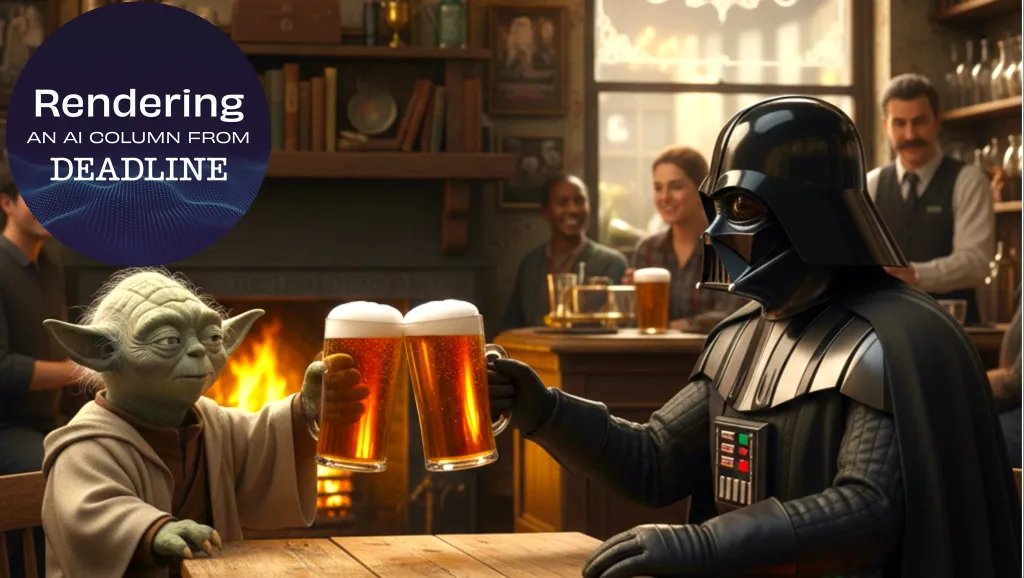
The cease and desist letter, authored by Disney’s attorney David Singer, spanned 32 pages and detailed extensive examples of copyright infringement by Google’s AI tools, including Veo, Nano Banana, and Gemini. The letter illustrated how simple text prompts could yield images of Disney characters like Darth Vader and Iron Man.
In response to these concerns, Disney outlined four specific demands in its letter to Google:
- Immediately stop copyright infringement.
- Implement technological changes to prevent further IP exploitation.
- Halt the use of Disney content in Google’s AI training.
- Disclose the specific Disney materials used for training AI models.
Sources described the coordinated nature of Disney’s campaign against Google as a culmination of meticulous planning, reflecting the seriousness of the company’s intent to address perceived infringements. The legal letter acknowledged ongoing concerns that Disney had raised for months prior to this formal action.
Four weeks later, results have been mixed. Disney’s legal team noted that 66 YouTube videos allegedly exploiting Disney’s intellectual property using Google’s tools were removed, signaling a symbolic victory and an acknowledgment from Google of possible copyright violations. Nonetheless, Google’s AI services continued to produce high-quality renderings of Disney characters in response to basic prompts. For example, a recent request asked Gemini to portray Homer Simpson landing in Hundred Acre Wood, which it promptly fulfilled.
Despite the removal of infringing videos, Google’s AI continues to generate likenesses of Disney characters. Similar requests met with denials in other AI applications like ChatGPT and Microsoft Copilot underscored the inconsistency in handling intellectual property across platforms.
A Google spokesperson reaffirmed the longstanding positive relationship between the two companies, emphasizing their commitment to engage with Disney and their efforts to build effective copyright controls.
The potential for a protracted conflict raises questions about whether Disney can sustain such a battle with Google. Some industry insiders express admiration for Disney’s stance but caution against relying solely on partnerships with one AI developer like OpenAI. They argue that Hollywood studios should explore multiple licensing agreements, reflecting the diversity of distribution strategies in media.
One source encapsulated the prevailing sentiment: "Never bet against Google." Disney may have revealed its strategic priorities in December, but the broader implications of its actions are far from settled.