
Cori Close from UCLA Discusses the Challenges Coaches Face in Today’s College Sports
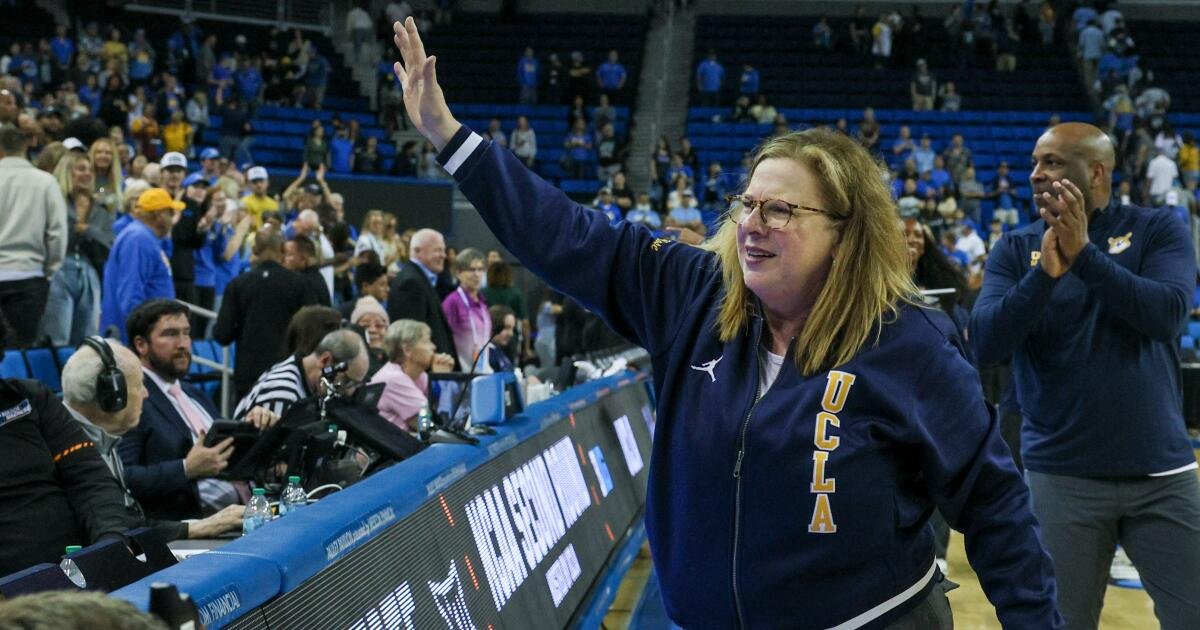
SACRAMENTO — UCLA women’s basketball coach Cori Close has ignited a nationwide conversation among her colleagues with candid remarks about the evolving challenges of coaching in college athletics. Her comments, made during a press briefing ahead of the Bruins’ Sweet 16 matchup against Minnesota, highlighted the pressures that come with rapid changes in the sport.
The Bruins, seeded No. 1 and boasting a 33-1 record, are widely considered strong contenders for the Final Four, entering the Sweet 16 with a 27-game winning streak. Close reflected on her personal experiences, stating, “I’ve never been as tired as I’ve been in the last two years, and it’s made me think how much longer I can do this. There are so many things that are harder, and we keep losing incredible people on the men’s and the women’s side.”
Under Close’s leadership, UCLA has thrived this season, demonstrating resilience with a deep starting lineup, three of whom transferred to the program from other schools. Close addressed the complexities arising from the transfer portal, emphasizing the need for proactive solutions: “Let’s not complain about it… I’m a huge advocate for NIL. It should have happened 20 years ago. And we need boundaries. We need infrastructure. We need competitive equity. We need transparency.”
In contrast, Louisville coach Jeff Walz offered a more critical viewpoint at a NCAA news conference in Fort Worth, Texas. He remarked, “If you don’t like your job, find a new job,” underscoring a common sentiment that coaching is a chosen profession, one that comes with its own unique stresses.
Close’s 33-year coaching career, including 15 at UCLA, has seen her adapt to significant changes dominated by name, image, and likeness compensation policies. Last season, she was named national coach of the year, guiding the Bruins to their first Final Four appearance. This year, UCLA again secured a No. 1 seed in the NCAA tournament, following an undefeated run through Big Ten play.
Walz, while acknowledging the demanding nature of coaching, stated, “I don’t think anybody is going to feel too sorry for us that you might be tired. I’m tired, too, but who is not?”
The increasing challenges in coaching are reflected in the recent retirements of several respected figures in the sport, including Hall of Fame Stanford coach Tara VanDerveer and others. The evolving landscape has left many coaches grappling with uncertainty. Kentucky coach Kenny Brooks articulated this frustration, saying, “You think that you have it… then all of a sudden, it’s like somebody pulls a rug out and says, ‘No, we’re changing it.’”
Close’s remarks focused on the urgent need for structural support within NCAA governance to prevent further loss of talent in coaching. “If there’s one thing I would ask… it’s please develop infrastructure and boundaries that create an opportunity to have sustained excellence,” she stated. “Otherwise, we are going to continue to lose some of our best coaches, and I do not think our game can afford to do that.”