

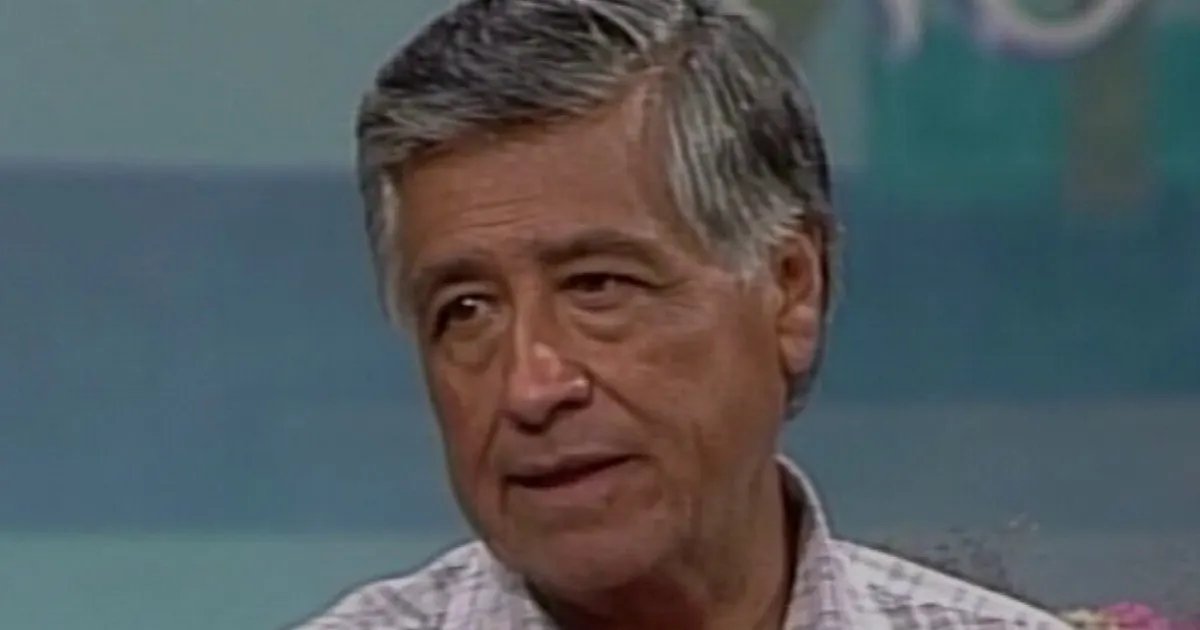
César Chávez’s Legacy Challenged by Recent Sexual Abuse Allegations
UFW Faces Potential Lawsuits Amid César Chávez Allegations
Los Angeles — Recent allegations of childhood sexual abuse against civil rights leader César Chávez may lead to legal action involving the United Farmworkers of America (UFW). A prominent attorney based in Los Angeles asserts that women coming forward with these claims could have a viable case decades later.
In an interview, Los Angeles attorney Luis Carrillo expressed a deep emotional connection to Chávez, highlighting the personal ramifications of the allegations on his admiration for the late activist. Among the accusers is Dolores Huerta, a co-founder of the United Farmworkers, which has prompted a reevaluation of Chávez’s legacy within the movement for workers’ rights.
Carrillo’s insights emerged following an investigative report that detailed multiple accusations against Chávez. Notably, two allegations involve incidents that reportedly took place in Chávez’s office, with a secretary present outside the locked door, as reported by The New York Times.
Having represented numerous survivors of sexual assault, Carrillo believes these women possess a strong legal case. He emphasized the importance of listening to the victims’ stories, indicating his intention to have one of the female attorneys on his team engage with them directly.
The emotional weight of the allegations weighed heavily on Carrillo, who became visibly tearful as he recounted his past experiences with Chávez. He shared that he once took his young son to meet the civil rights icon, a moment captured in a photograph he provided.
Carrillo’s connection to Chávez extended deep into the community; he attended the leader’s funeral in 1993, where thousands gathered to pay their respects, including politicians and Hollywood figures. Reflecting on that poignant moment, Carrillo expressed disbelief at the accusations, stating, “I thought no one could replace him. And now this?”
The recent revelations not only threaten the legacy of César Chávez but also leave many questioning the integrity of the movement he founded. As noted by Huerta, the implications of the allegations are profound, marking a significant turning point in how Chávez is remembered.
March 2026 may well be seen as a pivotal moment that altered the perception of Chávez as both a man and a symbol of hope for many.