
California’s Gas Prices: Are State Officials Considering a Tax Suspension?
Gas Prices Surge in California, Prompting Calls for Tax Suspension
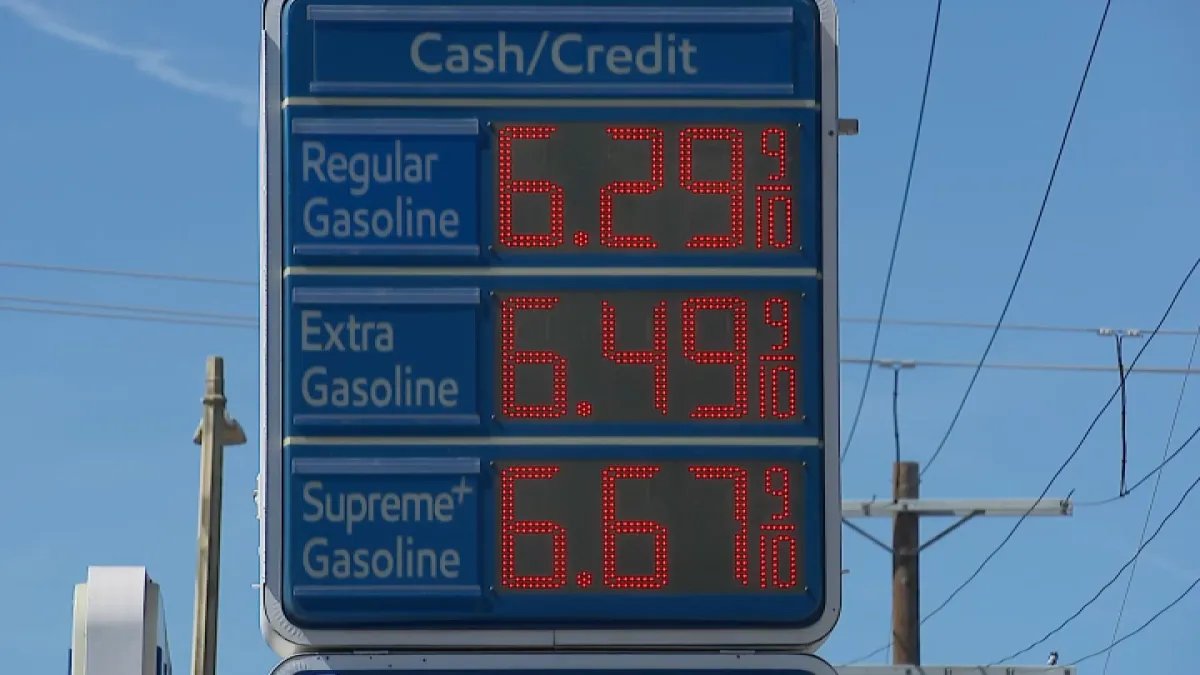
Gasoline prices in California continue to climb, with the average cost of a gallon of self-serve regular fuel in Los Angeles County reaching its highest level since October 2023. This dramatic increase has ignited discussions among candidates vying for the governorship, as they seek solutions to alleviate the financial burden on residents.
Democratic candidates Matt Mahan, the mayor of San Jose, and Antonio Villaraigosa, former mayor of Los Angeles, have urged the California legislature to temporarily suspend the state excise tax on gasoline.
“I’m calling on the legislature to temporarily suspend the gasoline tax and provide relief to those who need it most," Mahan stated.
Mahan and Villaraigosa’s calls are echoed by their Republican counterparts in the race, Riverside Sheriff Chad Bianco and former Fox News host Steve Hilton, all of whom advocate for the gas tax suspension.
According to economist Severin Borenstein, California’s gasoline prices typically exceed the national average by at least $1.50. “About a dollar of that is due to the higher taxes we have, the environmental fees we have, and that we use a cleaner burning gasoline, which has helped clean the air considerably,” Borenstein, affiliated with the Energy Institute at the Haas School of Business, explained.
As of Monday, California’s average gas price soared to $5.52 per gallon, of which roughly 61 cents accounts for the state excise tax. This revenue is essential for funding road repairs and various Caltrans projects across the state.
Despite the heightened pressure from candidates on the campaign trail, it appears unlikely that the California legislature will approve the suspension of the gas tax. The supermajority of Democrats in the legislature views the suspension as detrimental to the state’s revenue stream.
In response to ongoing concerns, Governor Gavin Newsom’s office emphasized that gas taxes are fixed costs that do not fluctuate with the market and are not responsible for the current price spikes affecting consumers.
With the war in Iran continuing to disrupt oil markets and uncertainty lingering in the Strait of Hormuz—an essential global oil transit route—the pressure for state action may escalate. “If the conflict drags on, it’s possible that prices could spike quite a bit higher,” Borenstein warned.