
Behind the Scenes of ‘Ugly Cry’: A Candid Look at the Challenges of the Entertainment Industry in a Post-Covid World at SXSW Studio
"Ugly Cry" Explores the Dark Side of Perfection in Hollywood
Austin, TX — Ugly Cry, the debut feature film from writer-director Emily Robinson, premiered on Thursday, March 12, at the Alamo Lamar and Alamo Lamar 2. The narrative centers on an actor whose journey spirals into obsession after losing a coveted role due to their “ugly cry,” leading them down a perilous path in pursuit of perfection.
Robinson reflected on the inspiration for her film, stating, “I’ve been in entertainment since I was five years old, and I think during the pandemic especially, I spent a lot of time thinking about some of the more difficult aspects of the industry and the internet and the ways in which we can objectify ourselves and compare ourselves to other people in ways that can turn really unhealthy, especially when in isolation. And I wanted to explore that in a film.”
The tone of Ugly Cry is a blend of grounded comedy and psychological thriller. “We always wanted it to feel grounded and comedic because I think Hollywood is an inherently silly place,” Robinson explained. “Also, that’s just how I cope with life…if we can’t laugh at it and cringe at it, I don’t know how to experience it.” She emphasized the importance of balancing the film’s more unsettling elements with an accessible warmth, resulting in a unique genre mix.
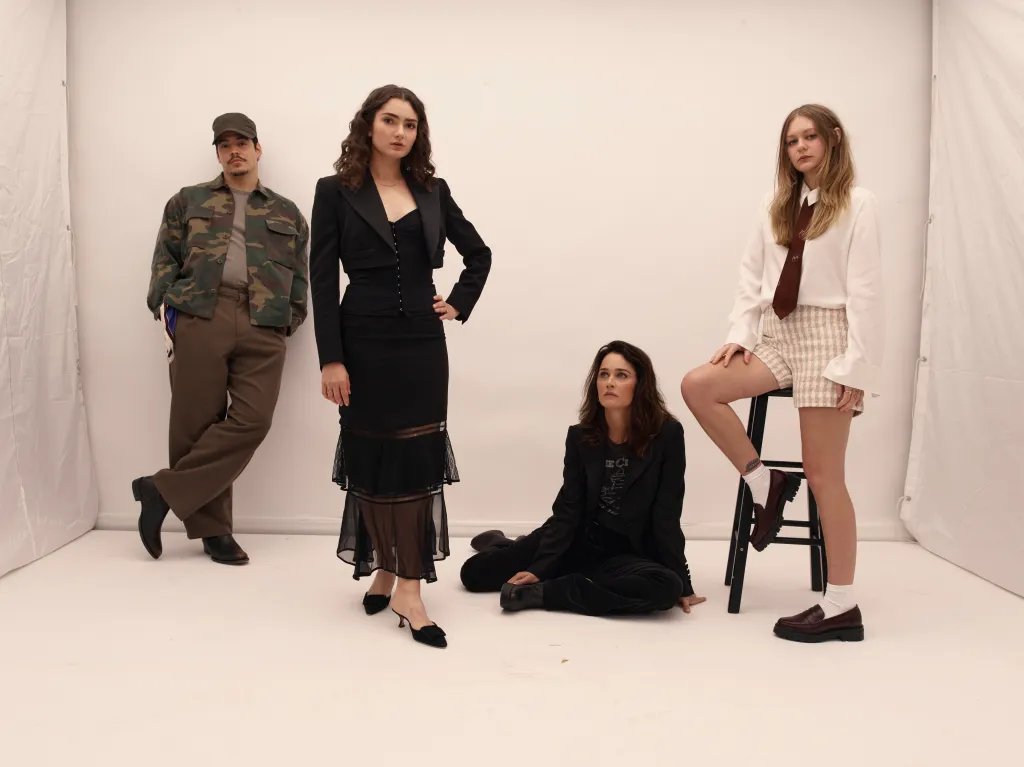
During a panel discussion, actress Robin Tunney addressed the evolving pressures surrounding physical appearance in Hollywood. She remarked, “It was incredibly pervasive [in the past] and what was allowed was crazy. So coming from the other side, I think it’s getting better, but I think it’s still incredibly difficult, especially on women.”
Ryan Simpkins added to the conversation by acknowledging the current cultural climate. “I also think there’s this rise right now in Botox culture, diet culture. It’s a huge conversation. Like, numbness is in, and I think it’s just because of a rising trend of fascism that we’re all expected to assimilate. That’s a really big discourse right now, just through social media — there’s so much pressure. It’s hard not to think about it literally all the time.”
Ugly Cry brings to light the complex relationship between self-image and the entertainment industry, sparking timely discussions about beauty standards and mental health in a post-pandemic world.