
ABC Stations Likely to Maintain Course Despite Trumpworld Criticism and FCC Concerns Over Jimmy Kimmel
Outrage in the age of social media spreads rapidly, yet media regulation progresses at a much slower pace.
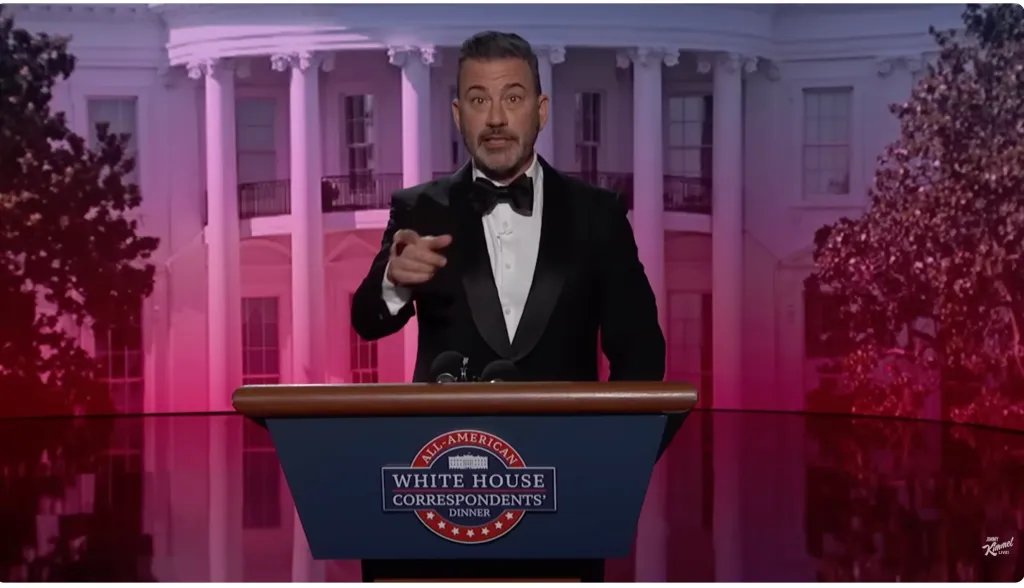
Recent comments by comedian Jimmy Kimmel during a late-night monologue have ignited controversy, drawing reactions from significant figures, including former President Donald Trump, First Lady Melania Trump, and Federal Communications Commission (FCC) Chairman Brendan Carr. They have voiced their disapproval over Kimmel’s joke about the First Lady’s appearance, claiming it contributed to a shooting that targeted Trump and other officials at the White House Correspondents’ Dinner. This incident has led to calls from some quarters for Kimmel to be held accountable, potentially even resulting in his dismissal.
Carr has indicated that the licenses for ABC’s eight television stations, which are due for renewal between 2028 and 2031, will undergo an early review linked to Kimmel’s remarks. ABC and Disney, which operate the network, are expected to submit their renewal applications by May 28. In response, Disney expressed confidence in securing the renewals despite the heightened scrutiny.
Internally, Disney executives acknowledge that lessons were learned from past controversies involving Kimmel. Last fall, Kimmel faced backlash for comments related to the shooting of conservative activist Charlie Kirk, leading to the temporary suspension of his show. Observers noted that Disney’s previous swift actions may have been excessive, and the company has adopted a more measured approach this time. Kimmel is not currently faced with immediate pressure from network leadership, which suggests a preference for allowing him to continue his routine without interference.
A similar stance has emerged at Nexstar, the leading owner of local TV stations. While the company aligns with Trump’s relaxed approach to mergers and acquisitions, it is currently dealing with legal challenges regarding its $6.2 billion merger with Tegna. Executives are aware of the political sensitivities surrounding Kimmel’s situation and are aiming to navigate the environment carefully.
Legal experts suggest that if regulators like Carr were to take punitive action against ABC, it could prompt litigation based on First Amendment rights. Historical context indicates that the license-renewal process can be lengthy, often extending over several years.
In a recent talk, Kimmel reflected on his past experiences, suggesting that open communication with network executives played a critical role in shaping his approach to humor in the face of controversy. “I don’t think the result, which I think turned out to be very positive, would have been as positive if I hadn’t talked to Dana as much as I did,” he remarked, emphasizing the importance of understanding various perspectives.
This ongoing situation illustrates the tension between creative expression and regulatory oversight in a political climate increasingly influenced by media narratives.
Report contributed by Ted Johnson, Peter White, and Dominic Patten.