

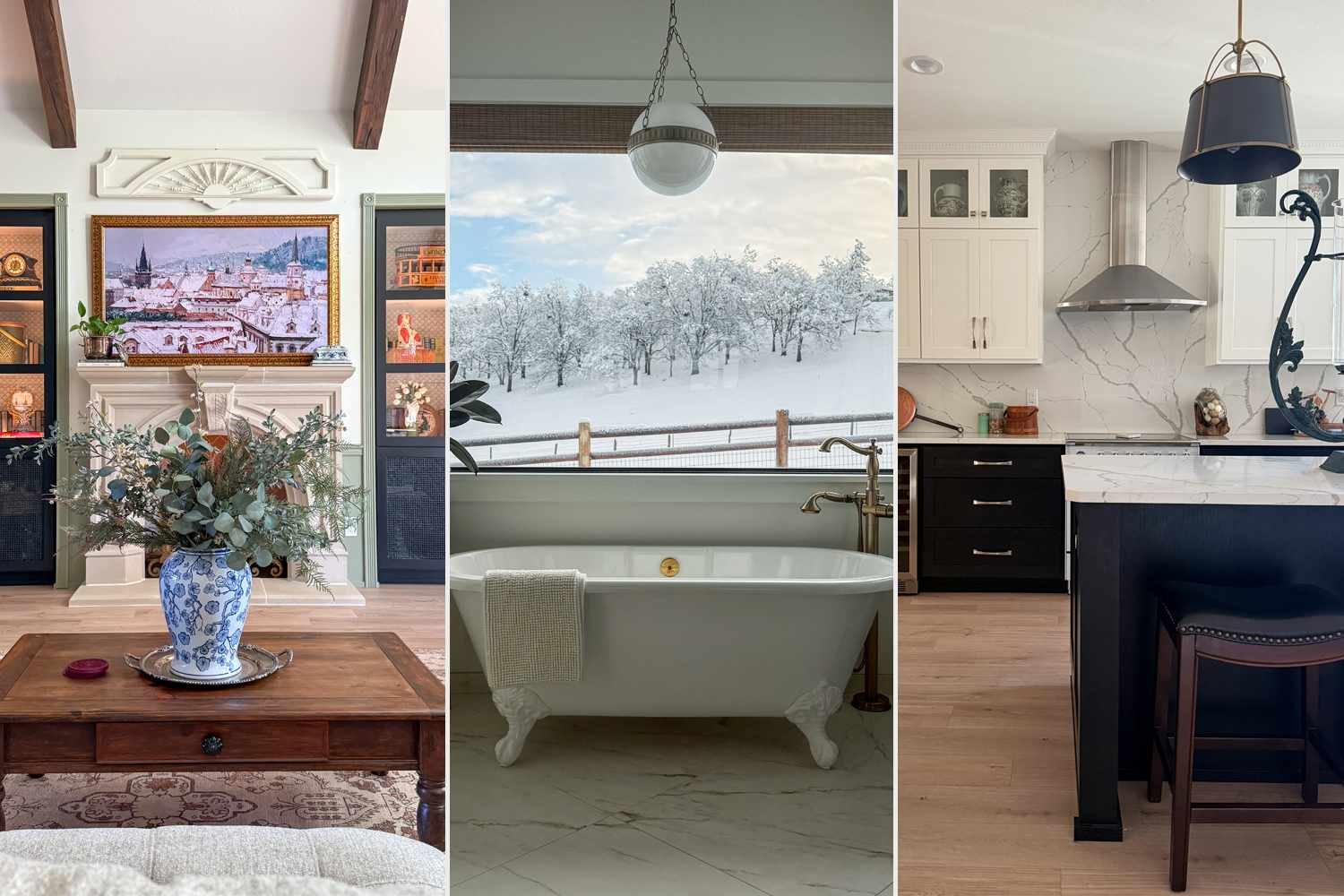
A Woman Creates a Spacious Multigenerational Home Against the Odds
Inside Ana Ochoa’s multigenerational home.
Credit:
Ana Ochoa
NEED TO KNOW
- Ana Ochoa and her husband transitioned to remote work during the pandemic, prompting their relocation from San Diego, California, to Medford, Oregon.
- In 2022, they moved to be closer to her parents and constructed a multigenerational home to accommodate their growing family.
- Ochoa has found the arrangement beneficial, particularly after having two children, although she acknowledges that cohabiting with family may not suit everyone.
In 2022, Ana Ochoa and her husband made the significant decision to leave San Diego for Medford, Oregon, when their jobs went fully remote. This development opened new possibilities for their family.
“Coming from San Diego, we wanted a slower pace of life in which to raise our [future] kids, and one that was less expensive,” Ochoa shared. “My parents had already moved from California to Oregon in 2017. We had visited many times for holidays and loved it.”
The couple designed a 5,000-square-foot, ranch-style multigenerational home, allowing for both shared experiences and privacy.
“We had so many people warn us not to do this, but it has been wonderful for us,” the 36-year-old mother of two admitted. “For me, I view it as that window of time you ultimately long for when you’re old – your kids are little, your parents are still around, everyone is healthy and thriving.”
Ochoa’s residence features two private living areas connected by a long hallway and a main door that remains closed to maintain independence.
“Our side is about 3,200 square feet, with three bedrooms and three full bathrooms. We also have a space that could serve as an office or playroom,” she explained. “My parents’ side is about 1,800 square feet, with their primary bedroom and 1.5 baths, plus another office that could convert to a bedroom.”
The layout prioritizes privacy, offering separate entrances for the front yard, backyard, and garage while facilitating easy connection.
“Having my parents help has been wonderful,” Ochoa noted. “I know both they and our boys have richer, more fulfilling lives because they get to see each other so often, which wouldn’t be the case in a traditional two-home situation.”
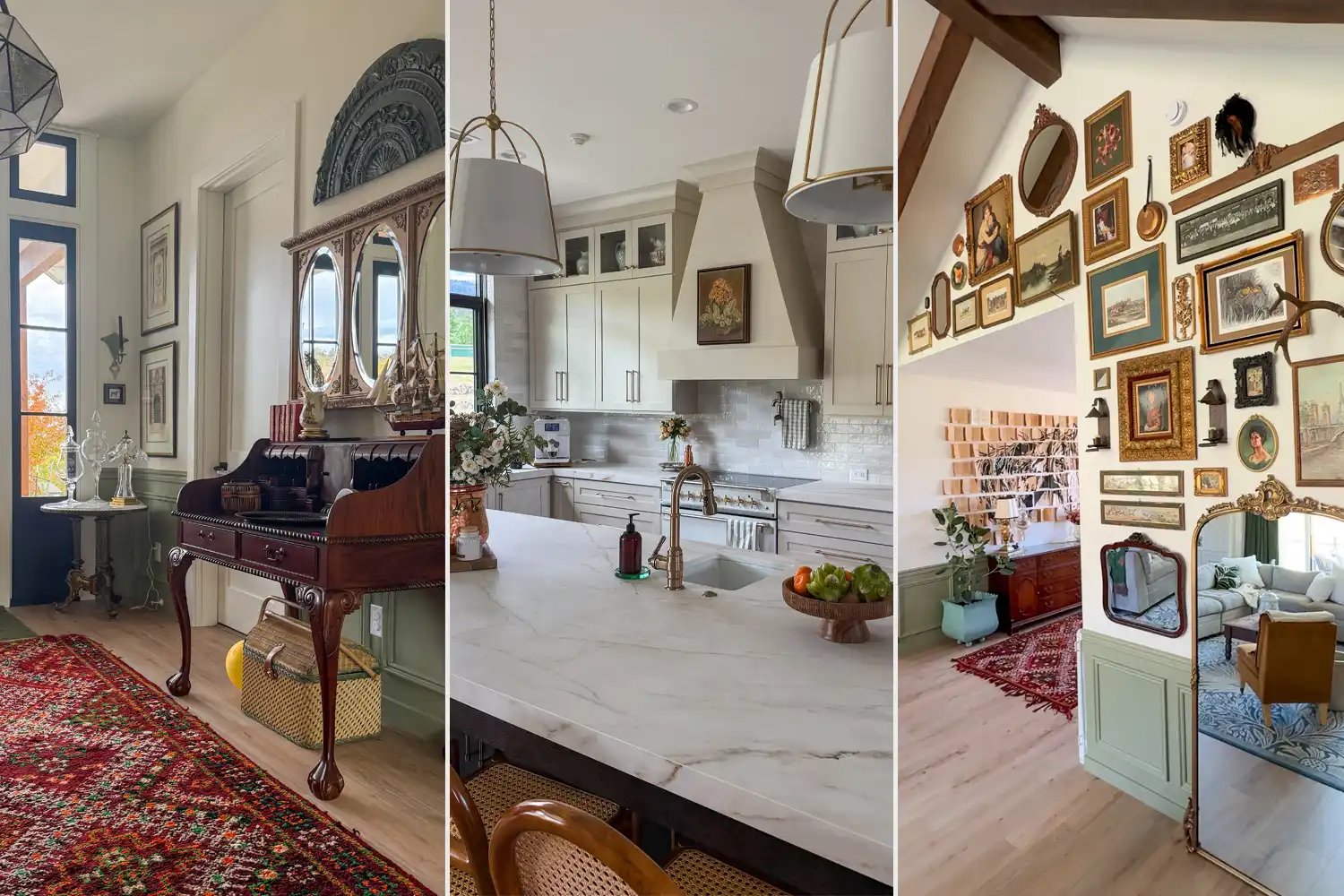
Inside Ana Ochoa’s multigenerational home.
Ana Ochoa
Ochoa discussed how multigenerational living has provided a support system that helps balance the demands of full-time remote work with raising two young children.
With her parents nearby, childcare becomes readily accessible, allowing the couple to concentrate on their work while ensuring their children are cared for.
The household operates collaboratively, with responsibilities shared based on each family member’s strengths.
“My husband and dad switch off cooking, and we eat dinner together three to four nights per week,” Ochoa revealed. “My husband manages the finances; I handle the DIY projects and interior design; my dad takes care of most home maintenance; and my mom is the chief gardener and landscaper – it’s not easy turning five acres of essentially empty land into a beautiful oasis!”
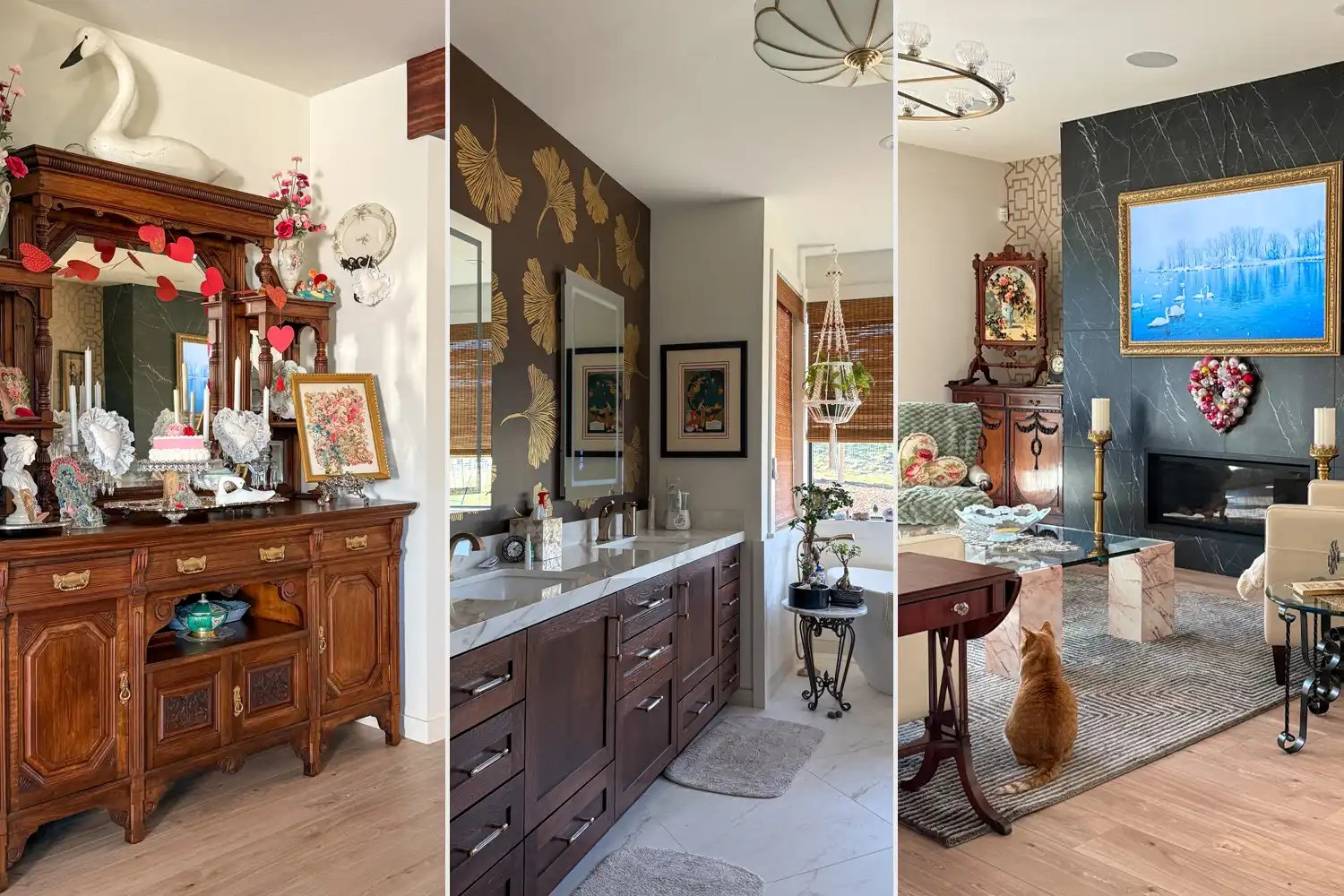
Inside Ana Ochoa’s multigenerational home.
Ana Ochoa
Despite the numerous advantages, Ochoa cautions that multigenerational living may not suit everyone. “I would recommend it with a caveat — you have to know your family and if it will truly work for you,” she said.
While the arrangement has been beneficial, it necessitates ongoing communication, respect for personal boundaries, and a readiness to address challenges together.
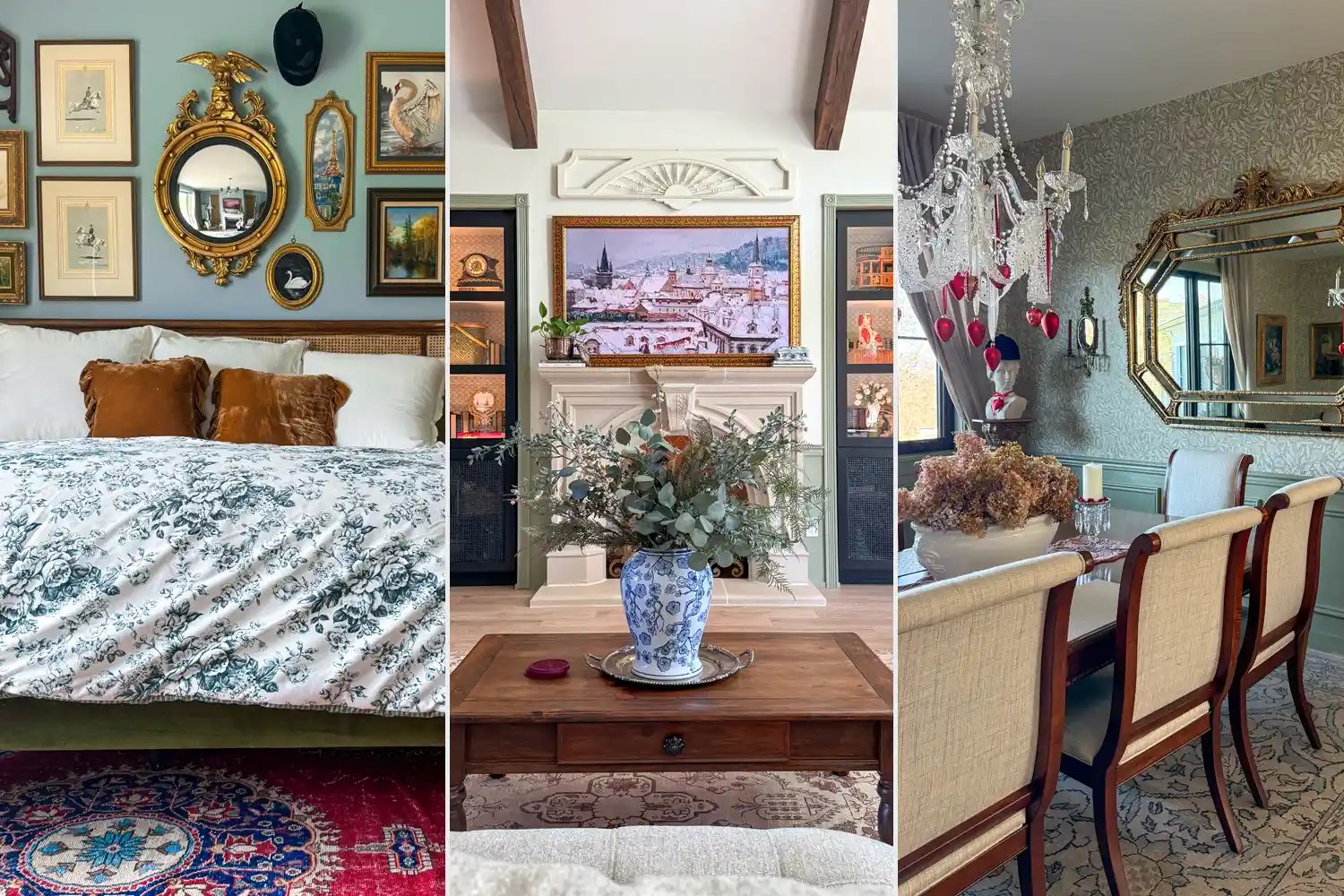
Inside Ana Ochoa’s multigenerational home.
Ana Ochoa
“We are a regular family, and sometimes we have to work to make sure everyone feels like their boundaries and privacy are being respected,” Ochoa stated. “The benefits, love, and closeness we experience as a result of multigenerational life hands-down outweigh any challenges, but that’s certainly a personal evaluation everyone must make for their own situation.”


