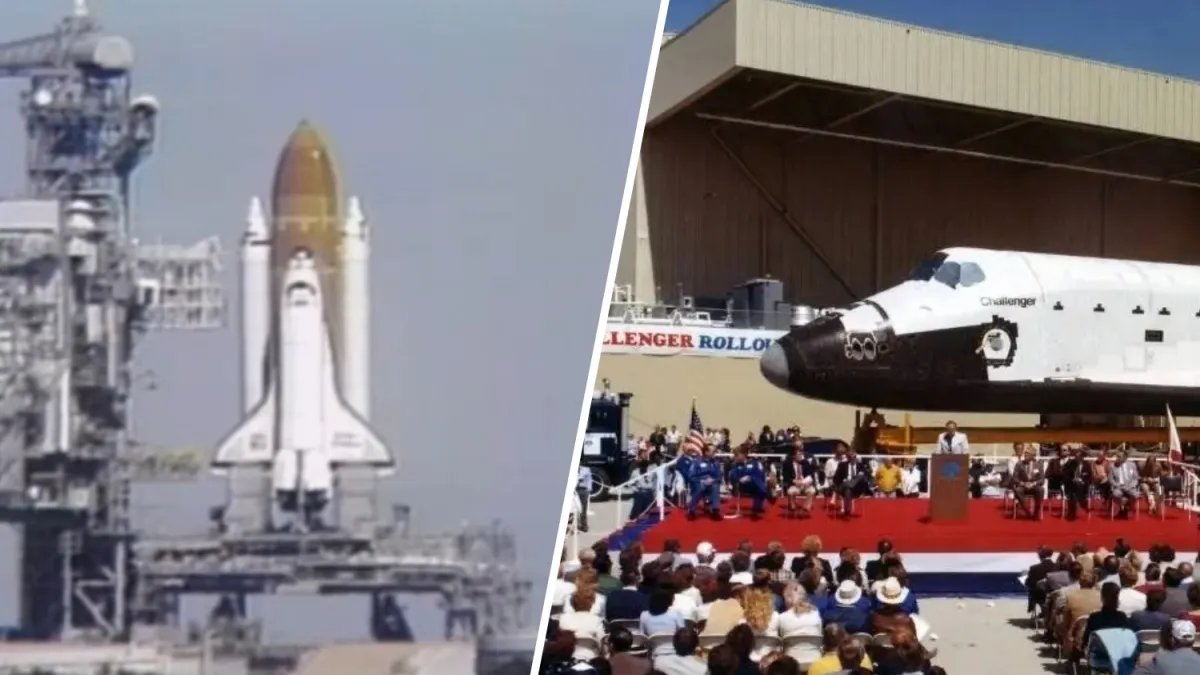
A Look Back at the Challenger Disaster: Remembering a Pivotal Moment in Space History
Challenger Disaster Remembered: A Day of Tragedy in Space Exploration
On January 28, 1986, a catastrophic event unfolded in American space travel history as seven astronauts, including teacher Christa McAuliffe, lost their lives in the Challenger disaster.
By the mid-1980s, NASA’s space shuttle launches were regarded as routine operations, following five years of successful missions designed to transport payloads into orbit. However, by 1986, these launches no longer captured the same level of immediate national attention, with coverage from major networks declining.
The Challenger, built in Palmdale, California by Rockwell International, maintained local significance within Southern California. This connection is commemorated today with displays, such as the space shuttle Endeavour at the California Science Center.
On the fateful morning of January 28, NBC4 decided to cover Challenger’s 10th launch, which was also NASA’s 25th mission. The shuttle, a follow-up to the Columbia, had made its first historic flight in 1983, showcasing the first spacewalk in the shuttle program.
Tragedy struck just 73 seconds after launch when Challenger erupted in a devastating explosion. The mission aimed to mark a significant milestone for NASA: the first orbital flight of a teacher in space, represented by New Hampshire social studies instructor Christa McAuliffe.
Initial reports from the scene highlighted the confusion. NBC4 anchor Kent Shocknek captured the moment, saying, "My God. There’s been an explosion," as images of the disaster streamed live. Shortly thereafter, mission control acknowledged a "major malfunction."
The crew—Pilot Michael J. Smith, mission specialists Judith A. Resnik, Ellison S. Onizuka, Ronald E. McNair, payload specialist Gregory B. Jarvis, alongside McAuliffe—were all killed in the incident. This was the first fatal event for astronauts during a spaceflight, occurring just 19 years after the Apollo 1 tragedy.
In an address to the nation, President Reagan expressed heartfelt condolences, quoting World War II pilot John Gillespie Magee Jr.’s poem "High Flight." He said, “The crew of the space shuttle Challenger honored us by the manner in which they lived their lives. We will never forget them.”
Following an extensive investigation, the incident was attributed to a failure of a rubber o-ring in the right solid rocket booster, exacerbated by unusually cold temperatures in Florida before launch. The failure allowed hot exhaust to breach the joints and compromise the external fuel tank.
Despite this setback, the space shuttle program continued, with subsequent missions carried out by the shuttles Discovery, Atlantis, and Endeavour, culminating in its final flight on July 21, 2011.
The Challenger crew, comprised of Smith, Francis R. "Dick" Scobee, McNair, Onizuka, McAuliffe, Jarvis, and Resnik, remains a poignant reminder of the risks taken in the pursuit of space exploration.