

A Heartfelt Look at ‘We Are The Shaggs’: Ken Kwapis Explores the Unique Story Behind the Most Interesting Album You’ve Never Heard Of – SXSW
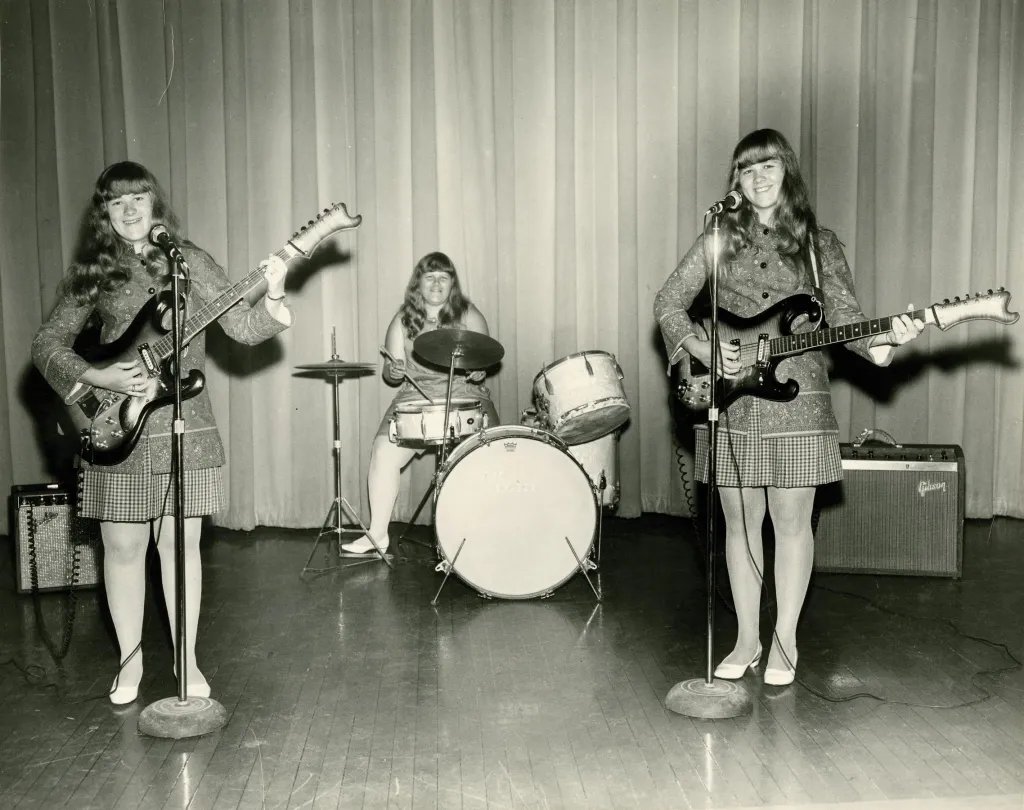
The Shaggs, an all-girl band formed in 1965 by the Wiggin sisters from Fremont, New Hampshire, garnered a reputation as an acquired taste in music history. Their sole album, Philosophy of the World, released in 1969, has become a subject of intrigue despite the disbandment of the group in the mid-1970s. Of the original 1,000 copies of the album, approximately 900 vanished under mysterious circumstances. However, the remaining 100 copies found their way to influential figures in music, including Frank Zappa, who praised them on the Dr. Demento radio show in 1973, famously declaring their music “better than The Beatles.” Kurt Cobain, frontman of Nirvana, later echoed this sentiment, asserting they were “the real thing.”
In Ken Kwapis’s documentary, the reaction to Philosophy of the World is mixed, as illustrated in the film’s introduction. During a test screening, listeners describe the music as “caveman stuff,” and “stressful, like being overwhelmed at a busy airport.” Kwapis himself, having discovered the album in 1980, refers to their sound as “the most head-scratching music ever committed to vinyl.”
Kwapis, known for directing films like Dunston Checks In and The Sisterhood of the Traveling Pants, approaches the Shaggs’ story with sensitivity. Despite its darker undertones, the narrative is less abrasive than their music, resembling a whimsical blend of The Shangri-Las and a more relaxed Dick Dale. The Shaggs’ story has inspired various potential film adaptations and an acclaimed off-Broadway stage play that debuted in 2011.
Central to the documentary is the unique relationship among the three sisters, particularly regarding the band’s formation. While Dot, the lead singer and guitarist, embraced the endeavor, sisters Betty and Helen were less enthusiastic. Their father, Austin Wiggin, was the driving force behind the band’s creation, motivated by a prophecy from his mother, a palm-reader, that he would marry a blonde and have three daughters who would perform together. “He made sure that happened,” notes Betty, who played rhythm guitar and provided vocals.
Interestingly, while Austin fathered seven children, only Dot, Betty, and Helen were brought into the world of performance, echoing the experiences of famous but often oppressive stage fathers like Murray Wilson and Joe Jackson. Though Austin may not have been as overtly cruel, he was a strict taskmaster who insisted on hours of rehearsal and lined up performances at the local tin-sided town hall.
However, We Are the Shaggs is not merely a tale of hardship. The sisters’ charm shines through, as they “invented their own musical language” and adhered to their unique rules. The film raises the intriguing question of how their music came to be. Despite their sheltered upbringing, they possessed classical training and exposure to popular music, particularly Dot’s fondness for Peter Noone and Herman’s Hermits. Still, their sound was distinctly unconventional, exemplified by their well-known song “My Pal Foot Foot,” which challenges traditional musical structures.
A particularly revealing segment of the film details the recording of Philosophy of the World. Kwapis uncovers several eyewitness accounts, highlighting that the album was recorded live in a four-track studio. The sisters struggled to perform vocals and instrumentation separately, and Austin believed their Sears guitars never needed tuning. When an engineer attempted to tune them, the sisters insisted on reverting to their original settings, claiming, “This doesn’t sound like us.” The music reflects the emotional contrast between Dot and Betty, with Dot composing optimistic tracks like “I’m So Happy When You’re Near,” while Betty penned darker-themed songs such as “Painful Memories.”
Austin Wiggin passed away in 1975, unaware of the enduring impact (Philosophy of the World) would garner. He would have been “really excited” about the group’s later success, according to Betty, who noted that he missed the album’s infamous 1980 reissue. The reissue was met with harsh criticism, with some reviews branding it “the worst record ever made.” Nevertheless, by the 1990s, the sisters found their music appreciated in a more open environment, offering audiences a refreshing perspective on their innocence. Kwapis’s documentary artfully portrays the Shaggs, transcending the label of “outsider art” to reveal a narrative that is dignified, personal, and profoundly moving.
Title: We Are The Shaggs
Festival: SXSW (24 Beats Per Second)
Director/Screenwriter: Ken Kwapis
Sales: United Talent Agency
Running time: 1 hr 38 mins


