A Fearless Iranian Woman Challenges Patriarchal Norms in Oscar Contender ‘Cutting Through Rocks’
Revolutionary Spirit Captured in ‘Cutting Through Rocks’
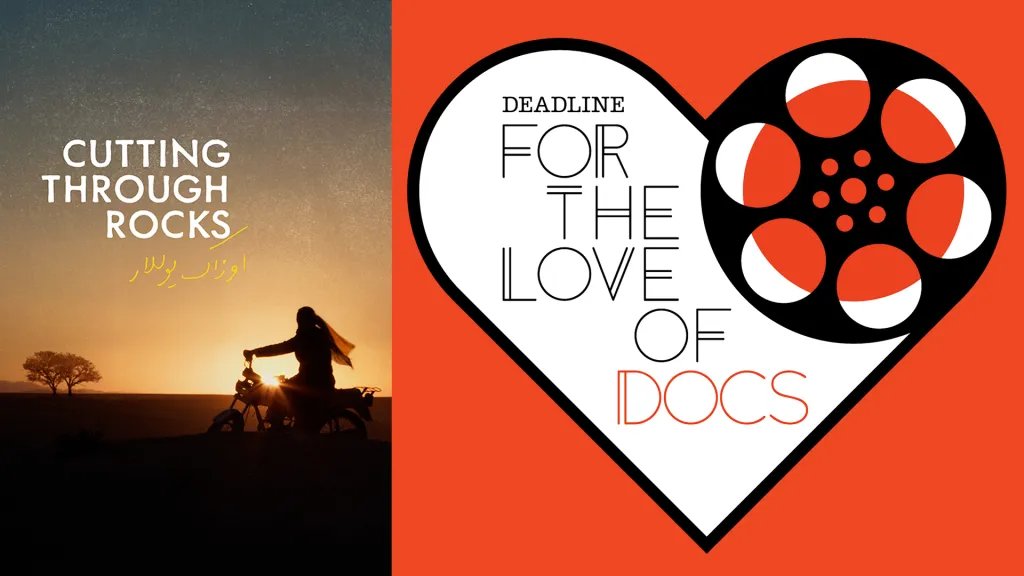
In the rugged mountains of Northwest Iran, a woman on a motorcycle embodies a challenge to societal norms. Sara Shahverdi, the protagonist of the Oscar-contending documentary Cutting Through Rocks, defies her country’s deeply patriarchal culture, marking a significant moment by running for a local council position—historically reserved for men.
The film opens with Shahverdi taking practical action, using power tools to repair a stubborn metal gate at her home—a task often deemed a man’s responsibility. Behind this gate, she creates a sanctuary where women can gather, seek counsel, and share their experiences facing oppression.
“That was very telling of Sara Shahverdi’s character, that she wouldn’t move until she fixes that gate,” said co-director Sara Khaki. “She’s creating an armor around herself while also welcoming other women to tell their stories.”
Khaki’s collaboration with co-director Mohammadreza Eyni proved fruitful; as a woman, Khaki could engage with local women in ways Eyni could not. Conversely, Eyni accessed male-dominated spaces that remained off-limits for Khaki. He explained, “I’m from the community of Azeri-speaking people,” and their documentary journey spanned nearly a decade. “Each time we went to the village, we thought we were concluding our efforts, but years passed as we aimed to capture the emotions and changes within the community through Sara’s empowerment initiatives.”
Shahverdi’s election to the council marked a milestone, enabling her to advocate for women’s rights, such as joint ownership of homes to protect against the financial consequences of divorce. She actively encouraged young girls to pursue education and resist the pressure to marry early while promoting motorcycle riding—an activity often stigmatized for women.
In a troubling scene, one girl riding her motorcycle faces violence from a family member citing the activity as solely for men. Throughout, the filmmakers maintain a neutral observational lens, allowing viewers to draw their own conclusions about the unfolding narratives, whether they involve Shahverdi’s struggles against male opposition or societal constraints.
“It’s about giving a chance for the audience to interpret the story,” Eyni remarked. “We believe audiences are smarter than us, and we should allow them to explore the narrative without dictating our perspectives.”
Despite relentless opposition from men seeking to undermine her authority, Shahverdi remained resolute. The filmmakers themselves encountered increasing scrutiny from Iranian authorities, facing a year-long travel ban. “We were questioned for being independent filmmakers,” Khaki recalled.
The challenges of the documentary project brought Khaki and Eyni closer together, resulting in a romantic relationship during their eight-year journey. “We had nothing except for each other,” Khaki said. “We got married through this process, united by our love for cinema and our incredible subject’s trust.”
Their perseverance has garnered significant recognition for Cutting Through Rocks, winning prestigious awards at various film festivals, including the Grand Jury Prize for World Cinema Documentary at Sundance, and multiple audience awards across Europe and New Zealand.
Adding to the film’s accolades, Shahverdi has been named one of The Unforgettables by the Cinema Eye Honors, affirming her unforgettable role in challenging conventions and navigating spaces traditionally confined to men.